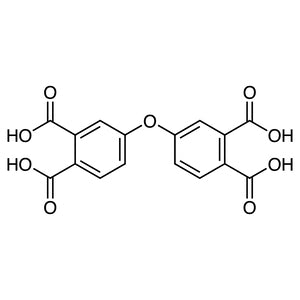
4,4'-Oxydiphthalic Acid (ODPA), with the CAS number 7717-76-2, is a key chemical compound used in the synthesis of complex molecules. As a building block in organic chemistry, it plays a vital role in the development of new materials and compounds. Its unique molecular structure, consisting of two phthalic acid rings connected by an oxygen bridge, provides it with high reactivity and versatility in chemical reactions. This makes it a valuable resource for researchers aiming to create custom chemical structures.
ODPA is favored for its chemical stability under controlled conditions and its reactivity towards amines, alcohols, and acids. These properties enable it to participate in coupling reactions and structural modifications, making it ideal for applications in polymer chemistry and material science. Its high melting point also allows it to be used in high-temperature laboratory environments without significant degradation. This combination of stability and reactivity ensures its effectiveness in various synthetic processes.
In Indonesian laboratories, ODPA is widely used in chemical research and development. It is commonly found in academic and industrial settings where the synthesis of polymers, coatings, and electronic materials is required. Its role in creating compounds with specific functional properties makes it an essential component in the chemical supply chain of Indonesian research institutions. The compound's reliability and performance in controlled laboratory conditions further support its widespread use in both teaching and applied research.
TCI brochures (PDF)
- Monomers 2025-05-28 · p. 36
Related TCI products
- Organic synthesis is enhanced by ODPA due to its reactivity and structural versatility, enabling the creation of complex molecules.
- Polymer development benefits from ODPA's ability to form stable chemical bonds, contributing to the creation of advanced materials.
- Coating formulations utilize ODPA for its chemical stability and compatibility with various reactive agents, improving product performance.
- Electronic material research leverages ODPA's structural properties to develop compounds with desired electrical characteristics.
- Material science applications rely on ODPA's high melting point and reactivity to create compounds suitable for high-temperature environments.
| Brand | TCI |
|---|---|
| CAS number | 7717-76-2 |
| Molecular formula | — |
| Purity | — |
| Category | Chemistry > Building Blocks > Non-Heterocyclic Building Blocks |
| Pack sizes | Available in various quantities as per standard laboratory supply |
| Physical form | Solid |
| Storage | Store in a cool, dry place away from moisture and direct sunlight |
ODPA should be stored in a cool, dry environment to maintain its chemical stability and prevent degradation. It is recommended to keep the compound in airtight containers to minimize exposure to moisture and air, which can affect its reactivity. Due to its high melting point, it remains solid under normal laboratory conditions, but extreme temperatures should be avoided to ensure optimal performance. Laboratory personnel should handle ODPA with appropriate personal protective equipment, such as gloves and safety goggles, to prevent direct contact. Proper labeling and storage in designated chemical cabinets are essential to ensure safe handling and prevent accidental exposure.
—
Produk Terkait
-
4,4'-(Ethyne-1,2-diyl)diphthalicAnhydride(purifiedbysublimation) TCI E1412
Regular price From Rp 1.035.300,00Regular priceRp 723.450,00Sale price From Rp 1.035.300,00 -
4,4'-(Ethyne-1,2-diyl)diphthalicAnhydride TCI E1164
Regular price From Rp 1.378.650,00Regular priceRp 963.900,00Sale price From Rp 1.378.650,00 -
trans-AconiticAcid TCI A0127
Regular price From Rp 2.121.000,00Regular priceRp 1.498.350,00Sale price From Rp 2.121.000,00 -
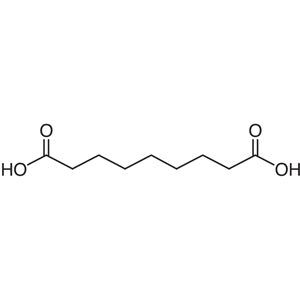
AzelaicAcid TCI A0561
Regular price From Rp 557.550,00Regular priceRp 405.300,00Sale price From Rp 557.550,00 -
AdipicAcid TCI A0161
Regular price From Rp 452.550,00Regular priceRp 316.050,00Sale price From Rp 452.550,00 -
AcetylenedicarboxylicAcid TCI A0088
Regular price From Rp 1.220.100,00Regular priceRp 868.350,00Sale price From Rp 1.220.100,00 -
alpha,alpha,alpha',alpha'-Tetramethyl-1,3-benzenedipropionicAcid TCI T3420
Regular price Rp 3.472.350,00Regular priceRp 2.427.600,00Sale price Rp 3.472.350,00 -
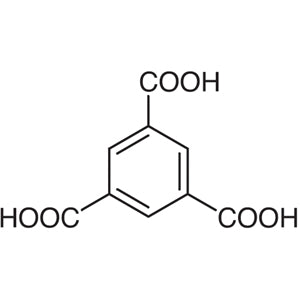
1,3,5-BenzenetricarboxylicAcid TCI B0043
Regular price From Rp 1.035.300,00Regular priceRp 723.450,00Sale price From Rp 1.035.300,00