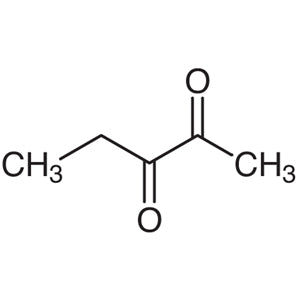
2,3-Pentanedione is an α-diketone, meaning its molecule carries two adjacent carbonyl groups along a five-carbon chain. TCI supplies it as a non-heterocyclic building block for laboratory use. It is closely related to diacetyl (2,3-butanedione) and is known as an aroma compound with buttery or caramel-like notes. In the laboratory, it is used to synthesise heterocycles such as quinoxalines and pyrazines, in flavour chemistry research, and as an analytical standard for profiling volatile compounds in food and beverages.
Because the two carbonyl groups sit side by side, 2,3-pentanedione reacts readily with bifunctional nucleophiles. Its condensation with 1,2-diamines, for example, can give heteroaromatic rings efficiently. The chain is unsymmetrical, with a methyl side and an ethyl side, so researchers can use it to study the regioselectivity of reactions. It is a volatile yellow liquid with a distinctive odour. These properties make it important in sensory studies and in gas chromatographic analysis of aroma compounds, where a well-defined reference material is needed.
In Indonesia, 2,3-pentanedione is relevant to food technology laboratories researching the aroma of coffee, cocoa, dairy, and related products, which are key commodities and industries in the country. University organic chemistry groups can use it as a starting material for heterocyclic synthesis and reaction mechanism studies. Quality control and analytical laboratories can use it as a reference compound when identifying and quantifying volatile flavour components by gas chromatography, supporting both research and product development work.
Related TCI products
- Quinoxaline synthesis: the adjacent carbonyl groups condense efficiently with 1,2-diamines, making this compound a practical precursor for building quinoxaline ring systems in organic synthesis.
- Pyrazine synthesis: as an α-diketone, it reacts with suitable bifunctional nitrogen nucleophiles to form pyrazines, which are important both as heterocyclic scaffolds and as aroma compounds.
- Regioselectivity studies: its unsymmetrical chain, with a methyl side and an ethyl side, lets researchers observe which carbonyl reacts preferentially and study selectivity in condensation reactions.
- Flavour chemistry research: its known buttery and caramel-like aroma, and its close relationship to diacetyl, make it a useful model compound for studying aroma formation and sensory perception.
- Analytical reference standard: as a volatile, distinctly odorous liquid, it serves as a reference compound for gas chromatographic identification of volatile constituents in food and beverage samples.
| Brand | TCI (product code P0051) |
|---|---|
| CAS number | 600-14-6 |
| Molecular formula | — |
| Purity | — |
| Category | Chemistry > Building Blocks > Non-Heterocyclic Building Blocks |
| Pack sizes | please check the available pack sizes on the product listing |
| Physical form | volatile yellow liquid with a distinctive odour |
| Storage | keep tightly closed in a cool, well-ventilated place; follow the manufacturer's label and SDS |
Store 2,3-pentanedione in its original, tightly sealed container in a cool, dry, well-ventilated area, away from heat, sparks, open flames, and direct sunlight. Because it is volatile and strongly odorous, reseal the container promptly after use so the material does not evaporate or contaminate nearby samples. Keep it away from strong oxidising agents and incompatible reagents. Handle it in a fume hood while wearing suitable gloves, safety glasses, and a lab coat, and avoid breathing the vapour. Always read the TCI Safety Data Sheet before use, and dispose of waste according to local regulations and your institution's procedures.
—
Produk Terkait
-
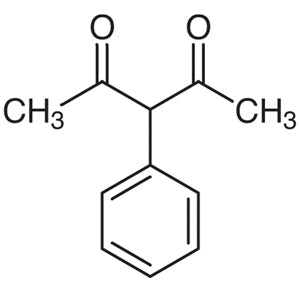
3-Phenyl-2,4-pentanedione TCI P1297
Regular price From Rp 4.479.300,00Regular price -
3-Methyl-2,4-pentanedione TCI M1132
Regular price Rp 3.817.800,00Regular price -
3-Methyl-1,2-cyclopentanedione TCI M2904
Regular price Rp 2.016.000,00Regular price -
2-Methyl-1,3-cyclopentanedione TCI M0901
Regular price From Rp 1.115.100,00Regular price -
2-Ethyl-1,3-cyclopentanedione TCI E0507
Regular price Rp 1.353.450,00Regular price -
3,4-Dimethyl-1,2-cyclopentanedione TCI D3782
Regular price Rp 875.700,00Regular price -
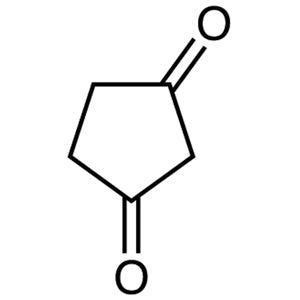
1,3-Cyclopentanedione TCI C1146
Regular price From Rp 980.700,00Regular price -
2,2,4-Trimethyl-1,3-pentanediolDiisobutyrate TCI T0997
Regular price From Rp 477.750,00Regular price