2-Methyl-1,3-cyclopentanedione is a chemical compound widely used in organic reactions as a building block or reagent. It plays a key role in the synthesis of various organic compounds, including heterocyclic and aromatic structures. Its unique molecular structure, featuring a cyclic ring and two carbonyl groups, makes it highly reactive and versatile in chemical transformations. This compound is commonly employed in laboratory settings to produce complex molecules such as carboxylic acid derivatives and antifungal compounds. Its ability to participate in reactions like condensation and cyclization makes it an essential tool for synthetic chemists.
The compound’s high reactivity is due to its cyclic structure and the presence of carbonyl groups, which make it a preferred choice in synthetic chemistry. Its stability under certain conditions also contributes to its reliability in laboratory applications. These properties allow it to be used in a variety of reactions, making it a valuable component in both academic and industrial research. Its chemical versatility and predictable behavior in different reaction conditions make it a go-to material for researchers working on complex molecule synthesis.
In Indonesian laboratories, 2-Methyl-1,3-cyclopentanedione is frequently used in organic chemistry research. It is commonly found in studies involving the synthesis of new compounds and the modification of existing molecular structures. Its availability and consistent chemical properties make it a popular choice among researchers and students conducting chemical experiments. The compound’s role in creating complex organic structures supports its continued use in both teaching and research environments.
- Organic synthesis applications benefit from the compound's reactivity and ability to form complex structures.
- It is ideal for cyclization reactions due to its cyclic framework and carbonyl groups.
- The compound supports the creation of carboxylic acid derivatives through condensation reactions.
- It is used in the development of antifungal compounds due to its structural versatility.
- Indonesian researchers use it in the modification of existing molecular structures for new compound synthesis.
| Brand | TCI |
|---|---|
| CAS number | 765-69-5 |
| Molecular formula | — |
| Purity | — |
| Category | Chemistry > Building Blocks > Non-Heterocyclic Building Blocks |
| Pack sizes | Available in various sizes as per supplier specifications |
| Physical form | Liquid |
| Storage | Store in a cool, dry place away from direct sunlight |
This compound should be stored in a cool, dry place away from direct sunlight to maintain its stability. It is recommended to use airtight containers to prevent exposure to moisture and air, which could affect its chemical integrity. Due to its reactivity, it should be handled with care in a well-ventilated laboratory environment. Avoid contact with incompatible materials such as strong bases or reducing agents. Proper personal protective equipment, including gloves and safety goggles, should be worn when handling this compound. Regular monitoring of storage conditions ensures the compound remains suitable for use in laboratory experiments.
—
Produk Terkait
-
3-Methyl-1,2-cyclopentanedione TCI M2904
Regular price Rp 2.016.000,00Regular price -
2-Ethyl-1,3-cyclopentanedione TCI E0507
Regular price Rp 1.353.450,00Regular price -
3,4-Dimethyl-1,2-cyclopentanedione TCI D3782
Regular price Rp 875.700,00Regular price -
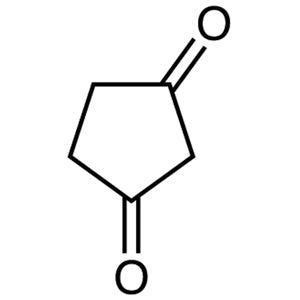
1,3-Cyclopentanedione TCI C1146
Regular price From Rp 980.700,00Regular price -
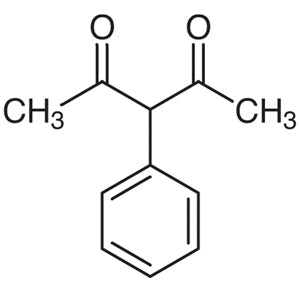
3-Phenyl-2,4-pentanedione TCI P1297
Regular price From Rp 4.479.300,00Regular price -
2,3-Pentanedione TCI P0051
Regular price From Rp 1.881.600,00Regular price -
3-Methyl-2,4-pentanedione TCI M1132
Regular price Rp 3.817.800,00Regular price -
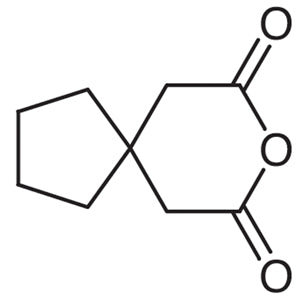
1,1-CyclopentanediaceticAnhydride TCI C0839
Regular price Rp 1.565.550,00Regular price