2-Phenylethyl Alcohol from TCI (product code P0084), also known as phenethyl alcohol, is an aromatic alcohol in which a hydroxyl group is joined to a benzene ring through a two-carbon chain. It is well known for its rose-like aroma and occurs naturally in the essential oils of many flowers. In the laboratory it serves three main purposes. It is a building block for organic synthesis, an analytical standard for aroma compound analysis, and an additive in selective microbiological media. Its simple, well-defined structure makes it a dependable reagent for both research and routine analytical work.
Chemists choose this material because it has two useful functional groups in one molecule: an aromatic ring and a primary alcohol group. This lets it be converted readily into esters, ethers, aldehydes, or halides, which makes it a flexible starting point for synthetic routes. 2-Phenylethyl alcohol also has selective antimicrobial properties. At certain concentrations it inhibits the growth of Gram-negative bacteria while still allowing Gram-positive bacteria to grow. Because it is a liquid, it is easy to measure out by volume, and its consistent purity makes it suitable for use as a chromatographic standard.
In Indonesia, this material is relevant to food technology, pharmaceutical, natural product chemistry, and clinical microbiology laboratories. Researchers who study essential oils from aromatic plants such as rose and kenanga can use it as a reference compound to identify and quantify aroma components in their samples. University research groups, quality control laboratories, and microbiology units working with selective culture media will also find it useful in their everyday analytical, synthetic, and teaching work.
TCI brochures (PDF)
- Quorum Sensing Research Reagents 2024-10-17 · p. 2
- Organic synthesis building block: its primary alcohol group and aromatic ring allow easy conversion into esters, ethers, aldehydes, or halides for a wide range of synthetic routes.
- Aroma compound analytical standard: its rose-like aroma and natural occurrence in flower essential oils make it a suitable reference for identifying and quantifying fragrance components in samples.
- Selective microbiological media: at certain concentrations it inhibits Gram-negative bacteria while allowing Gram-positive bacteria to grow, which supports the selective isolation of Gram-positive organisms.
- Chromatographic reference standard: its consistent purity and liquid form allow accurate volumetric preparation of standard solutions for calibration and compound identification in chromatographic analysis.
- Essential oil and natural product research: researchers studying oils from plants such as rose and kenanga can use it to confirm and compare aroma constituents in extracted samples.
| Brand | TCI (product code P0084) |
|---|---|
| CAS number | 60-12-8 |
| Molecular formula | — |
| Purity | — |
| Category | Chemistry > Building Blocks > Non-Heterocyclic Building Blocks |
| Pack sizes | available in the pack sizes listed in the TCI catalog; please confirm with AMI Scientific when ordering |
| Physical form | liquid |
| Storage | keep in a tightly closed container in a cool, dry, well-ventilated place |
Store 2-Phenylethyl Alcohol in its original, tightly sealed container in a cool, dry, well-ventilated area, away from heat sources, open flames, and direct sunlight. Keep it apart from strong oxidizing agents and other incompatible materials. Glass or other chemically compatible containers with secure closures are recommended so the material does not evaporate or become contaminated. When handling, wear standard laboratory protective equipment, including safety glasses, chemical-resistant gloves, and a lab coat, and work in a fume hood or a well-ventilated area. Avoid contact with the skin and eyes, and do not breathe in vapors. Before use, read the Safety Data Sheet (SDS) supplied by TCI for detailed hazard information, first-aid measures, and disposal instructions.
—
Produk Terkait
-
(+/-)-1-PhenylethylAlcohol TCI M0163
Regular price From Rp 875.700,00Regular price -
2-PhenylethylMethylEther TCI P1263
Regular price From Rp 769.650,00Regular price -
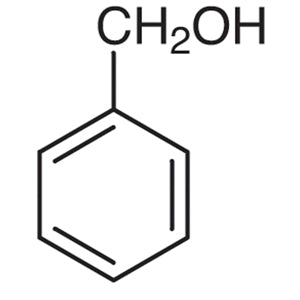
BenzylAlcohol TCI B2378
Regular price Rp 452.550,00Regular price -
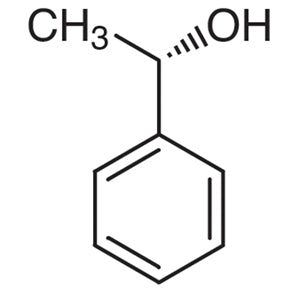
(S)-(-)-1-PhenylethylAlcohol TCI P0796
Regular price From Rp 1.431.150,00Regular price -
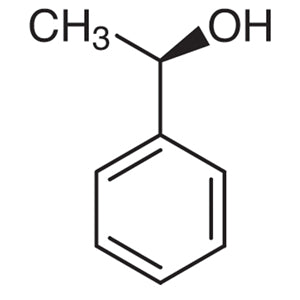
(R)-(+)-1-PhenylethylAlcohol TCI P0795
Regular price From Rp 1.220.100,00Regular price -
4-IodobenzylAlcohol TCI I0810
Regular price From Rp 2.889.600,00Regular price -
2-IodobenzylAlcohol TCI I0858
Regular price Rp 1.035.300,00Regular price -
3-IodobenzylAlcohol TCI I0866
Regular price From Rp 1.510.950,00Regular price