Phenol Red from TCI (product code P0100), also known as phenolsulfonphthalein, is a pH indicator from the sulfonphthalein family. It is one of the most widely used indicators in chemistry and biology laboratories. The compound is yellow under acidic conditions and red under basic conditions, and it changes colour around neutral pH. In the laboratory it serves as a titration indicator, as a pH marker for solutions, and as a component of cell culture media, where it lets staff check growth conditions by eye without extra instruments.
Laboratories choose Phenol Red mainly because its colour changes around neutral pH, which suits biological systems that operate in that range. Even a small change in acidity shows up clearly, as the colour shifts from red to orange or yellow, or towards a purplish red. Phenol Red is relatively stable and, at typical working concentrations, generally does not interfere with many test systems. This product is the free acid form. To make indicator solutions, it can be dissolved with a small amount of base or a suitable solvent, so laboratories can prepare stock solutions to their own procedures.
In Indonesia, Phenol Red is used by cell culture, microbiology, analytical chemistry, water quality testing and educational laboratories. Microbiology laboratories add it to carbohydrate fermentation test media, where a colour change shows acid production by microorganisms. Water testing laboratories use it to assess pH visually. Research institutes, university teaching laboratories and industrial quality control units also keep it as a standard indicator for routine titration work and pH demonstrations.
TCI brochures (PDF)
- Titration Reagents and TLC Stains 2026-05-07 · p. 3
Related TCI products
- TCI P0102 34487-61-1 Phenol Red Sodium Salt
- TCI T3895 76115-06-5 4-(1,2,2-Triphenylvinyl)phenol
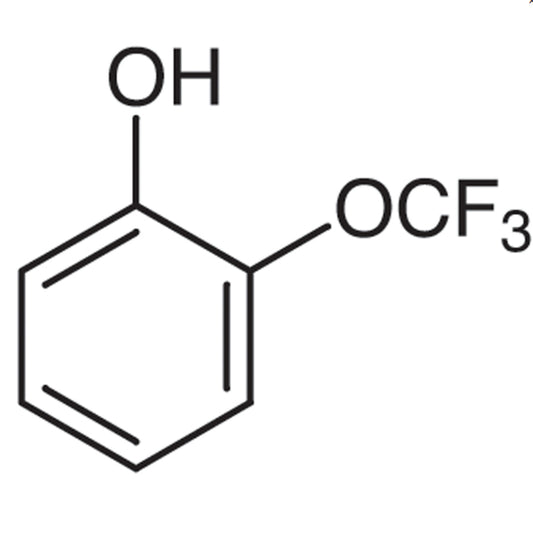
- TCI T2156 32858-93-8 2-(Trifluoromethoxy)phenol
- TCI T1983 2787-79-3 2,3,5,6-Tetrafluoro-4-(trifluoromethyl)phenol
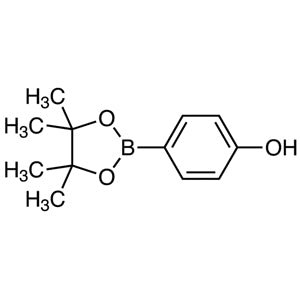
- TCI T1954 269409-70-3 4-(4,4,5,5-Tetramethyl-1,3,2-dioxaborolan-2-yl)phenol
- TCI T1615 827-99-6 3-(Trifluoromethoxy)phenol
- Acid-base titration: Phenol Red works as a visual endpoint indicator because its yellow-to-red change around neutral pH gives analysts a clear, easily recognised signal during routine titrations.
- Cell culture media monitoring: Phenol Red is added to culture media so researchers can follow pH changes caused by cell metabolism or contamination at a glance, without opening the vessel.
- Carbohydrate fermentation tests in microbiology: Phenol Red is included in fermentation media because acid produced by microorganisms turns the medium from red to yellow, which gives a simple visual result.
- Water quality pH assessment: Water testing laboratories use Phenol Red to estimate pH visually because its colour change falls in the near-neutral range that matters for many water samples.
- Chemistry education and demonstrations: Teaching laboratories use Phenol Red because its clear, reversible colour shift between acidic and basic conditions shows pH and indicator behaviour in an easy-to-see way.
| Brand | TCI (product code P0100) |
|---|---|
| CAS number | 143-74-8 |
| Molecular formula | — |
| Purity | — |
| Category | Analytical Chemistry > Analytical Reagents > Titration Reagents |
| Pack sizes | as listed on the product page; contact AMI Scientific to confirm the pack size you need |
| Physical form | free acid form of phenolsulfonphthalein, to be dissolved with a small amount of base or a suitable solvent |
| Storage | keep tightly closed in a cool, dry place, protected from light and moisture |
Store Phenol Red in its original, tightly sealed container in a cool, dry, well-ventilated area, away from direct sunlight and moisture. Keep it separate from strong oxidising agents and incompatible chemicals. Prepared indicator solutions should go into clean, clearly labelled glass or chemically resistant plastic bottles, with the preparation date recorded. When handling the material, follow standard laboratory practice: wear gloves, safety glasses and a lab coat, avoid breathing in dust, and avoid contact with skin and eyes. Weigh and dissolve the powder in a well-ventilated area, and clean up spills promptly. Always read the TCI Safety Data Sheet for full hazard and disposal information before use.
—
Produk Terkait
-
PhenolRedSodiumSalt TCI P0102
Regular price Rp 662.550,00Regular priceRp 478.800,00Sale price Rp 662.550,00 -
4-(1,2,2-Triphenylvinyl)phenol TCI T3895
Regular price Rp 6.386.100,00Regular priceRp 4.481.400,00Sale price Rp 6.386.100,00 -
2-(Trifluoromethoxy)phenol TCI T2156
Regular price From Rp 1.483.650,00Regular priceRp 1.053.150,00Sale price From Rp 1.483.650,00 -
2,3,5,6-Tetrafluoro-4-(trifluoromethyl)phenol TCI T1983
Regular price Rp 2.306.850,00Regular priceRp 1.612.800,00Sale price Rp 2.306.850,00 -
4-(4,4,5,5-Tetramethyl-1,3,2-dioxaborolan-2-yl)phenol TCI T1954
Regular price From Rp 1.351.350,00Regular priceRp 960.750,00Sale price From Rp 1.351.350,00 -
3-(Trifluoromethoxy)phenol TCI T1615
Regular price From Rp 1.723.050,00Regular priceRp 1.220.100,00Sale price From Rp 1.723.050,00 -
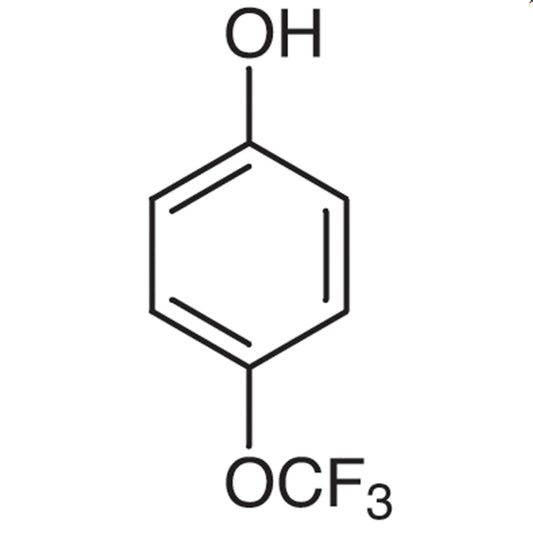
4-(Trifluoromethoxy)phenol TCI T1341
Regular price From Rp 1.881.600,00Regular priceRp 1.331.400,00Sale price From Rp 1.881.600,00 -
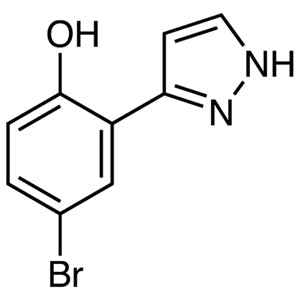
4-Bromo-2-(1H-pyrazol-3-yl)phenol TCI B4743
Regular price From Rp 662.550,00Regular priceRp 478.800,00Sale price From Rp 662.550,00