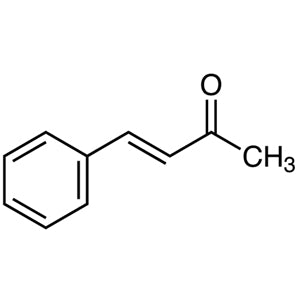
Trans-Benzalacetone is a chemical compound widely used in organic reactions for the synthesis of complex molecules. As a key building block in chemical research, it serves as a versatile intermediate in various synthetic pathways. Its role in laboratories is critical for the development of aromatic and heterocyclic compounds, making it an essential component in both academic and industrial research settings. This compound is particularly valued for its ability to participate in a range of reactions, including condensation, substitution, and reduction processes, which are fundamental to organic chemistry.
The properties of trans-Benzalacetone make it a preferred choice for laboratory use. It is a stable molecule with predictable chemical behavior, which simplifies the synthesis process and enhances reproducibility. Its physical form is solid and it is insoluble in water but soluble in various organic solvents, making it easy to handle and work with in different experimental conditions. Additionally, its non-reactive nature under normal conditions allows for straightforward handling without the need for special precautions, contributing to its widespread use in laboratory environments.
In Indonesian laboratories, trans-Benzalacetone is commonly used in organic chemistry research, especially in higher education institutions and research organizations. Its availability, reliability, and ease of use make it a popular choice for researchers working on the synthesis of complex organic compounds. The compound is integral to many experimental protocols, supporting both teaching and advanced research activities in the field of chemistry.
Related TCI products
- TCI A0127 4023-65-8 trans-Aconitic Acid
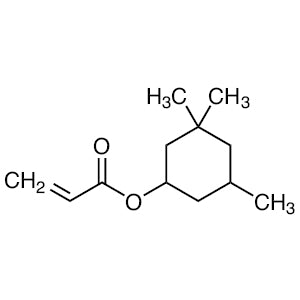
- TCI T3984 86178-38-3 3,3,5-Trimethylcyclohexyl Acrylate (cis- and trans- mixture) (stabilized with MEHQ)
- TCI T3033 52831-11-5 Trimethyl 1,3,5-Cyclohexanetricarboxylate (cis- and trans- mixture)
- TCI T3029 185855-30-5 Trimethyl 1,2,4-Cyclohexanetricarboxylate (cis- and trans- mixture)
- TCI T2827 54458-61-6 2,3,4,5-Tetramethylcyclopent-2-en-1-one (cis- and trans- mixture)
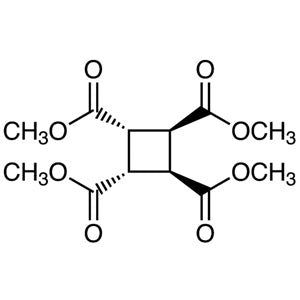
- TCI T2769 1032-95-7 Tetramethyl cis,trans,cis-1,2,3,4-Cyclobutanetetracarboxylate
- Organic synthesis applications benefit from trans-Benzalacetone due to its role as a versatile building block in creating complex aromatic and heterocyclic compounds.
- It is ideal for condensation reactions where its stable molecular structure allows for controlled and predictable chemical transformations.
- Substitution reactions often utilize trans-Benzalacetone as a starting material because of its chemical inertness and ease of functional group modification.
- Reduction reactions can be effectively carried out using trans-Benzalacetone, as it provides a consistent and reliable source of carbon-based intermediates.
- Research in heterocyclic compound development frequently incorporates trans-Benzalacetone due to its structural compatibility with a wide range of synthetic pathways.
| Brand | TCI |
|---|---|
| CAS number | 1896-62-4 |
| Molecular formula | — |
| Purity | — |
| Category | Chemistry > Building Blocks > Non-Heterocyclic Building Blocks |
| Pack sizes | Available in various quantities as per standard laboratory supply |
| Physical form | Solid |
| Storage | Store in a cool, dry place away from direct sunlight and moisture |
Trans-Benzalacetone should be stored in a cool, dry place, away from direct sunlight and moisture to maintain its stability and chemical integrity. It is recommended to use airtight containers to prevent exposure to air and potential moisture absorption. As a solid with moderate solubility in organic solvents, it is generally safe to handle under standard laboratory conditions. No special protective equipment is required for routine handling, but care should be taken to avoid contamination. The compound’s non-reactive nature under normal conditions ensures that it can be used safely in a wide range of laboratory applications without the need for additional safety measures.
—
Produk Terkait
-
trans-AconiticAcid TCI A0127
Regular price From Rp 2.068.500,00Regular price -
3,3,5-TrimethylcyclohexylAcrylate(cis-andtrans-mixture)(stabilizedwithMEHQ) TCI T3984
Regular price From Rp 1.510.950,00Regular price -
Trimethyl1,3,5-Cyclohexanetricarboxylate(cis-andtrans-mixture) TCI T3033
Regular price From Rp 5.274.150,00Regular price -
Trimethyl1,2,4-Cyclohexanetricarboxylate(cis-andtrans-mixture) TCI T3029
Regular price From Rp 1.590.750,00Regular price -
2,3,4,5-Tetramethylcyclopent-2-en-1-one(cis-andtrans-mixture) TCI T2827
Regular price Rp 3.630.900,00Regular price -
Tetramethylcis,trans,cis-1,2,3,4-Cyclobutanetetracarboxylate TCI T2769
Regular price Rp 4.479.300,00Regular price -
3,3,5-TrimethylcyclohexylSalicylate(cis-andtrans-mixture) TCI T2278
Regular price From Rp 664.650,00Regular price -
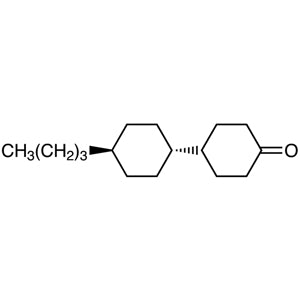
4-(trans-4-Butylcyclohexyl)cyclohexanone TCI B4946
Regular price From Rp 689.850,00Regular price