2-Propyn-1-ol is a chemical compound widely used in various laboratory reactions due to its versatility and reactivity. As a building block in organic chemistry, it serves as a fundamental component in the synthesis of more complex molecules. Its simple yet essential structure makes it a valuable resource for researchers aiming to develop new compounds with specific functional groups. This compound is commonly found in chemical laboratories where synthetic pathways require precise and efficient reagents.
The reactivity of 2-Propyn-1-ol stems from the presence of both an alkyne and an alcohol functional group, which enable it to participate in a wide range of chemical reactions such as substitution, addition, and oxidation. These properties make it a preferred choice for applications requiring high reactivity and selectivity. Its ability to undergo multiple reaction types allows chemists to tailor synthetic routes to achieve desired outcomes efficiently.
In Indonesian laboratories, 2-Propyn-1-ol is frequently used in research and development projects, particularly in the fields of organic chemistry and pharmaceutical sciences. Its availability in various packaging options ensures ease of use in both small and large-scale experiments. The compound’s stability and reactivity make it a reliable and essential material for laboratory work in Indonesia.
TCI brochures (PDF)
- Cross-linkers 2026-04-14 · p. 2
- Bioconjugation Reagents 2026-07-07 · p. 8
- Click Chemistry 2026-09-08 · p. 13
- Reagents for Biological Research 2025-03-11 · p. 29
Related TCI products
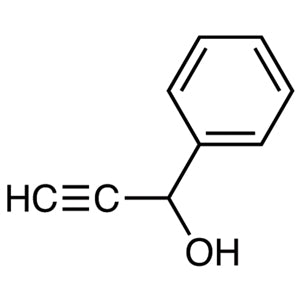
- TCI P0220 4187-87-5 1-Phenyl-2-propyn-1-ol
- TCI D2495 3923-52-2 1,1-Diphenyl-2-propyn-1-ol
- TCI P3022 16156-58-4 2-Propyn-1-yl Methanesulfonate
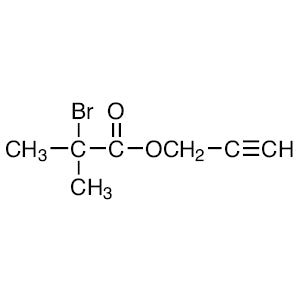
- TCI P2820 40630-86-2 2-Propyn-1-yl 2-Bromo-2-methylpropanoate
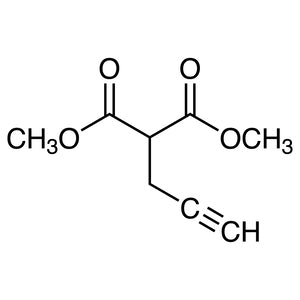
- TCI D6072 95124-07-5 Dimethyl 2-Propyn-1-ylmalonate
- TCI T2418 1522-13-0 1,1,3-Triphenyl-2-propyn-1-ol
- Organic synthesis: 2-Propyn-1-ol is widely used in organic synthesis due to its ability to participate in multiple reaction types, making it a versatile building block for creating complex molecules.
- Pharmaceutical research: This compound is often employed in the development of new drugs as it can be modified to form various functional groups essential for pharmaceutical applications.
- Material science: Its reactivity allows it to be used in the synthesis of polymers and other materials, contributing to the development of advanced materials with specific properties.
- Analytical chemistry: 2-Propyn-1-ol serves as a standard reference material in analytical techniques, aiding in the identification and quantification of other compounds.
- Industrial chemical production: It is used in the production of various industrial chemicals due to its stability and reactivity, supporting a wide range of chemical manufacturing processes.
| Brand | TCI |
|---|---|
| CAS number | 107-19-7 |
| Molecular formula | — |
| Purity | — |
| Category | Chemistry > Building Blocks > Non-Heterocyclic Building Blocks |
| Pack sizes | Available in various sizes to suit different laboratory needs |
| Physical form | Liquid |
| Storage | Store in a cool, dry place away from direct sunlight |
2-Propyn-1-ol should be stored in a cool, dry place away from direct sunlight to maintain its stability and prevent degradation. It is recommended to use airtight containers made of glass or high-density polyethylene to minimize exposure to air and moisture. Due to its reactivity, it should be handled in a well-ventilated area, and appropriate personal protective equipment such as gloves and goggles should be worn. Avoid contact with incompatible substances like strong oxidizing agents. Regular monitoring of storage conditions is essential to ensure the compound remains safe and effective for use in laboratory applications.
—
Product Categories
Produk Terkait
-
1-Phenyl-2-propyn-1-ol TCI P0220
Regular price From Rp 1.008.000,00Regular priceRp 704.550,00Sale price From Rp 1.008.000,00 -
1,1-Diphenyl-2-propyn-1-ol TCI D2495
Regular price From Rp 1.220.100,00Regular priceRp 852.600,00Sale price From Rp 1.220.100,00 -
2-Propyn-1-ylMethanesulfonate TCI P3022
Regular price From Rp 2.068.500,00Regular priceRp 1.445.850,00Sale price From Rp 2.068.500,00 -
2-Propyn-1-yl2-Bromo-2-methylpropanoate TCI P2820
Regular price Rp 4.266.150,00Regular priceRp 2.998.800,00Sale price Rp 4.266.150,00 -
Dimethyl2-Propyn-1-ylmalonate TCI D6072
Regular price From Rp 1.167.600,00Regular priceRp 831.600,00Sale price From Rp 1.167.600,00 -
1,1,3-Triphenyl-2-propyn-1-ol TCI T2418
Regular price Rp 980.700,00Regular priceRp 685.650,00Sale price Rp 980.700,00 -
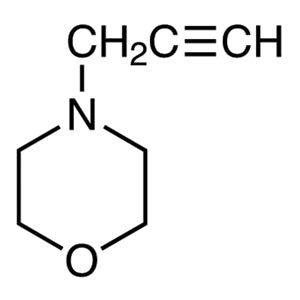
4-(2-Propyn-1-yl)morpholine TCI P2170
Regular price From Rp 557.550,00Regular priceRp 405.300,00Sale price From Rp 557.550,00 -
3-Phenyl-2-propyn-1-ol TCI P1147
Regular price From Rp 1.829.100,00Regular priceRp 1.278.900,00Sale price From Rp 1.829.100,00