2-Propyn-1-yl 2-Bromo-2-methylpropanoate is a chemical compound widely used in organic laboratory reactions. As a building block in chemical synthesis, it serves as a versatile intermediate for the creation of more complex molecules. This compound is particularly valuable in synthetic chemistry due to its reactivity and structural versatility. It is commonly used in research settings where the development of new compounds or functional groups is required. Its unique molecular structure, featuring a triple bond and a bromo group, allows for a range of chemical transformations.
The compound's reactivity stems from its molecular structure, which includes both a triple bond and a bromo substituent. These features make it suitable for various reaction types, including nucleophilic, electrophilic, and substitution reactions. Its ability to participate in multiple reaction pathways enhances its utility in synthetic chemistry. Additionally, its stability under controlled laboratory conditions ensures consistent performance during experiments. This combination of reactivity and stability makes it a preferred choice for researchers working on complex organic syntheses.
In Indonesian laboratories, this compound is frequently used in organic chemistry research, especially in the synthesis of heterocyclic compounds and complex molecular structures. Researchers at educational and research institutions rely on its properties to develop new compounds and explore chemical reactivity. Its availability through reliable suppliers like AMI Scientific ensures that it remains a key reagent in many laboratory workflows.
TCI brochures (PDF)
- Atom Transfer Radical Polymerization (ATRP) Initiators with Reactive Groups 2026-01-15 · p. 1
- Click Chemistry 2026-09-08 · p. 14
- Biomaterials Research Reagents 2025-02-19 · p. 30
Related TCI products
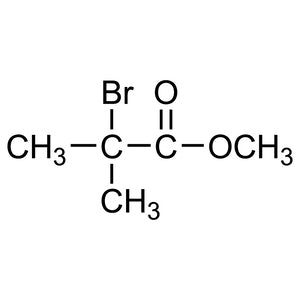
- TCI M2208 23426-63-3 Methyl 2-Bromo-2-methylpropanoate
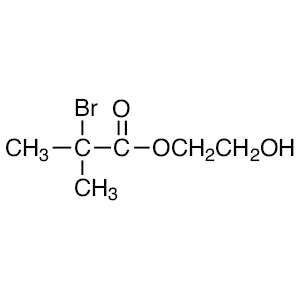
- TCI H1751 189324-13-8 2-Hydroxyethyl 2-Bromo-2-methylpropanoate
- TCI E1525 2882-19-1 Ethyl 2-Bromo-2-phenylacetate
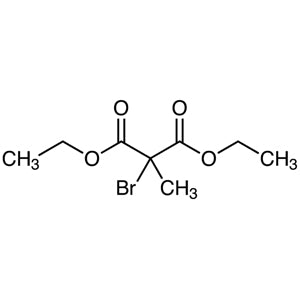
- TCI D4368 29263-94-3 Diethyl 2-Bromo-2-methylmalonate
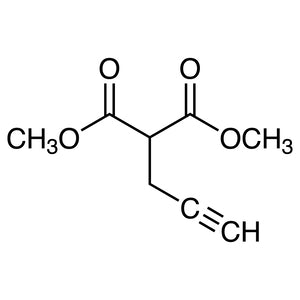
- TCI D6072 95124-07-5 Dimethyl 2-Propyn-1-ylmalonate
- TCI B6384 213453-08-8 2-[(2-Bromo-2-methylpropanoyl)oxy]ethyl Methacrylate
- Organic synthesis for the preparation of complex molecules and heterocyclic compounds due to its reactivity and structural versatility.
- Development of new chemical compounds in research settings where functional group transformations are required.
- Use in nucleophilic and electrophilic reactions to facilitate the formation of new chemical bonds and intermediates.
- Synthesis of brominated compounds through substitution reactions that benefit from its bromo group.
- Research applications in academic and industrial laboratories focused on chemical innovation and compound development.
| Brand | TCI |
|---|---|
| CAS number | 40630-86-2 |
| Molecular formula | — |
| Purity | — |
| Category | Chemistry > Building Blocks > Non-Heterocyclic Building Blocks |
| Pack sizes | Available in various quantities as per supplier specifications |
| Physical form | Liquid |
| Storage | Store in a cool, dry place away from light and incompatible materials |
This compound should be stored in a cool, dry environment, away from direct sunlight and sources of heat. It is recommended to keep it in a sealed container to prevent exposure to air and moisture. Due to its reactivity, it should be handled with care, using appropriate personal protective equipment such as gloves and safety goggles. It is important to store it separately from strong oxidizing agents and incompatible substances to avoid potential chemical reactions. Proper ventilation should be maintained in the laboratory area to ensure safe handling and minimize any risk of exposure.
—
Product Categories
- Polymer/Macromolecule ReagentsPolymerization ReagentsControlled Radical Polymerization Reagents
- Biomaterials/Biocompatible Materials Research ReagentsPolymerization Reagents (Initiators, Catalysts, Ligands) [Biomaterials/Biocompatible Materials Research Reagents]Atom Transfer Radical Polymerization (ATRP) Reagents
Produk Terkait
-
Methyl2-Bromo-2-methylpropanoate TCI M2208
Regular price From Rp 848.400,00Regular price -
2-Hydroxyethyl2-Bromo-2-methylpropanoate TCI H1751
Regular price Rp 5.300.400,00Regular price -
Ethyl2-Bromo-2-phenylacetate TCI E1525
Regular price From Rp 1.696.800,00Regular price -
Diethyl2-Bromo-2-methylmalonate TCI D4368
Regular price Rp 2.016.000,00Regular price -
Dimethyl2-Propyn-1-ylmalonate TCI D6072
Regular price From Rp 1.115.100,00Regular price -
2-[(2-Bromo-2-methylpropanoyl)oxy]ethylMethacrylate TCI B6384
Regular price From Rp 2.704.800,00Regular price -
2-[(2-Bromo-2-methylpropanoyl)oxy]ethylAcrylate TCI B6381
Regular price From Rp 5.141.850,00Regular price -
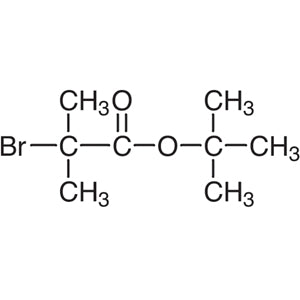
tert-Butyl2-Bromoisobutyrate TCI B3500
Regular price From Rp 584.850,00Regular price

![2-[(2-Bromo-2-methylpropanoyl)oxy]ethyl Methacrylate (CAS 213453-08-8) - TCI B6384 - AMI Scientific](http://amiscientific.com/cdn/shop/files/TCI2510B6384.jpg?v=1768193678&width=533)
![2-[(2-Bromo-2-methylpropanoyl)oxy]ethyl Acrylate (CAS 213453-02-2) - TCI B6381 - AMI Scientific](http://amiscientific.com/cdn/shop/files/TCI2510B6381_84c9cd03-66a6-4e3c-ba51-095ce61de04b.jpg?v=1767865561&width=533)