Methyl 2-Bromo-2-methylpropanoate is a chemical compound widely used in organic laboratory reactions. As a key building block in synthetic chemistry, it serves as a versatile intermediate for the creation of more complex molecular structures. Its reactivity and functional group make it an essential tool for chemists engaged in research and development. This compound is commonly employed in nucleophilic substitution reactions, where its bromo group acts as a good leaving group, facilitating the formation of new chemical bonds.
The compound’s stability and reactivity make it a preferred choice for various synthetic pathways. Its molecular structure allows it to interact effectively with a range of reagents, enabling the synthesis of diverse organic compounds. The presence of the bromo group at a specific position enhances its utility in substitution reactions, particularly in electrophilic and nucleophilic processes. Its consistent chemical properties and ease of handling contribute to its popularity among researchers.
In Indonesian laboratories, Methyl 2-Bromo-2-methylpropanoate is extensively used in organic chemistry research. It is a common reagent in both academic and industrial settings, supporting the development of new compounds and structural modifications. Many universities and research institutions rely on this compound for educational purposes and experimental studies. Its availability and reliability make it a staple in the chemical supply chain for Indonesian laboratories.
Related TCI products
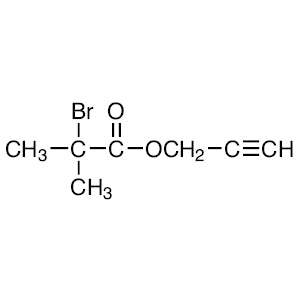
- TCI P2820 40630-86-2 2-Propyn-1-yl 2-Bromo-2-methylpropanoate
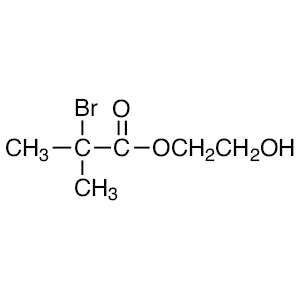
- TCI H1751 189324-13-8 2-Hydroxyethyl 2-Bromo-2-methylpropanoate
- TCI E1525 2882-19-1 Ethyl 2-Bromo-2-phenylacetate
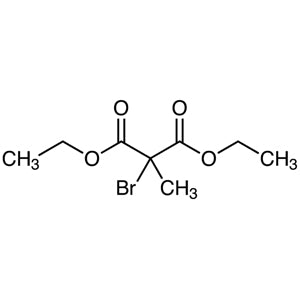
- TCI D4368 29263-94-3 Diethyl 2-Bromo-2-methylmalonate
- TCI B6384 213453-08-8 2-[(2-Bromo-2-methylpropanoyl)oxy]ethyl Methacrylate
- TCI B6381 213453-02-2 2-[(2-Bromo-2-methylpropanoyl)oxy]ethyl Acrylate
- Nucleophilic Substitution Reactions: This compound is ideal for nucleophilic substitution due to its bromo group, which facilitates the formation of new bonds in organic synthesis.
- Organic Synthesis: It serves as a building block for creating complex molecules, making it essential in research and development of new chemical compounds.
- Structural Modification Studies: Its reactivity allows for the modification of molecular structures, supporting studies in chemical engineering and pharmaceutical research.
- Teaching and Learning in Chemistry: It is frequently used in educational settings to demonstrate key reaction mechanisms and synthetic strategies.
- Research in Pharmaceutical Chemistry: Its versatility makes it a valuable tool in the development of new drug compounds and therapeutic agents.
| Brand | TCI |
|---|---|
| CAS number | 23426-63-3 |
| Molecular formula | — |
| Purity | — |
| Category | Chemistry > Building Blocks > Non-Heterocyclic Building Blocks |
| Pack sizes | Available in various quantities as per supplier specifications |
| Physical form | Solid |
| Storage | Store in a cool, dry place away from light and moisture |
This compound should be stored in a cool, dry environment, away from direct sunlight and moisture. It is recommended to use airtight containers to prevent exposure to air and humidity. Due to its reactivity, it should be handled in a well-ventilated area, preferably under a fume hood. Avoid contact with incompatible materials such as strong bases or reducing agents. Proper personal protective equipment, including gloves and safety goggles, should be worn during handling to ensure safety. The compound is stable under standard laboratory conditions but should be kept sealed when not in use to maintain its integrity.
—
Product Categories
- Polymer/Macromolecule ReagentsPolymerization ReagentsControlled Radical Polymerization Reagents
- Biomaterials/Biocompatible Materials Research ReagentsPolymerization Reagents (Initiators, Catalysts, Ligands) [Biomaterials/Biocompatible Materials Research Reagents]Atom Transfer Radical Polymerization (ATRP) Reagents
Produk Terkait
-
2-Propyn-1-yl2-Bromo-2-methylpropanoate TCI P2820
Regular price Rp 4.266.150,00Regular priceRp 2.998.800,00Sale price Rp 4.266.150,00 -
2-Hydroxyethyl2-Bromo-2-methylpropanoate TCI H1751
Regular price Rp 5.352.900,00Regular priceRp 3.759.000,00Sale price Rp 5.352.900,00 -
Ethyl2-Bromo-2-phenylacetate TCI E1525
Regular price From Rp 1.749.300,00Regular priceRp 1.239.000,00Sale price From Rp 1.749.300,00 -
Diethyl2-Bromo-2-methylmalonate TCI D4368
Regular price Rp 2.068.500,00Regular priceRp 1.461.600,00Sale price Rp 2.068.500,00 -
2-[(2-Bromo-2-methylpropanoyl)oxy]ethylMethacrylate TCI B6384
Regular price From Rp 2.704.800,00Regular priceRp 1.891.050,00Sale price From Rp 2.704.800,00 -
2-[(2-Bromo-2-methylpropanoyl)oxy]ethylAcrylate TCI B6381
Regular price From Rp 5.141.850,00Regular priceRp 3.595.200,00Sale price From Rp 5.141.850,00 -
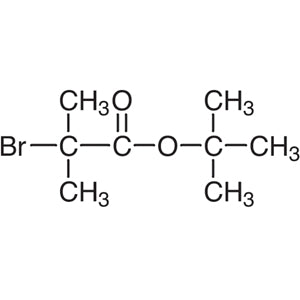
tert-Butyl2-Bromoisobutyrate TCI B3500
Regular price From Rp 637.350,00Regular priceRp 460.950,00Sale price From Rp 637.350,00 -
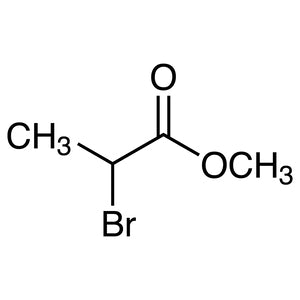
Methyl2-Bromopropionate TCI B1460
Regular price From Rp 822.150,00Regular priceRp 590.100,00Sale price From Rp 822.150,00




![TCI B6384 213453-08-8 2-[(2-Bromo-2-methylpropanoyl)oxy]ethyl Methacrylate](http://amiscientific.com/cdn/shop/files/TCI2510B6384_908384e8-9aa6-4f6e-83e8-cbb27b31bbb0.jpg?v=1792631458&width=533)
![2-[(2-Bromo-2-methylpropanoyl)oxy]ethyl Methacrylate (CAS 213453-08-8) - TCI B6384 - AMI Scientific](http://amiscientific.com/cdn/shop/files/TCI2510B6384.jpg?v=1768193678&width=533)
![TCI B6381 213453-02-2 2-[(2-Bromo-2-methylpropanoyl)oxy]ethyl Acrylate](http://amiscientific.com/cdn/shop/files/TCI2510B6381.jpg?v=1792631442&width=533)
![2-[(2-Bromo-2-methylpropanoyl)oxy]ethyl Acrylate (CAS 213453-02-2) - TCI B6381 - AMI Scientific](http://amiscientific.com/cdn/shop/files/TCI2510B6381_84c9cd03-66a6-4e3c-ba51-095ce61de04b.jpg?v=1767865561&width=533)