Allyl Phenylacetate (CAS No. 1797-74-6) is a chemical compound widely used in scientific and industrial applications. As a monomer, it plays a crucial role in the synthesis of polymers and macromolecular compounds. In laboratory settings, Allyl Phenylacetate serves as a key reagent for chemical reactions that produce complex structures. Its chemical stability allows it to react with various reagents to form new compounds, making it a versatile material in chemical research.
The compound's molecular structure, consisting of an allyl group and a phenylacetate group, contributes to its reactivity and flexibility in chemical reactions. These properties make it a preferred choice for researchers and industrial chemists seeking reliable and adaptable materials. Its ability to participate in a wide range of chemical transformations enhances its utility in both academic and applied research environments.
In Indonesian laboratories, Allyl Phenylacetate is commonly used in polymer research, organic synthesis, and the development of new chemical materials. Its availability in liquid form simplifies its use in various laboratory processes, whether in direct reactions or as a solvent. This makes it an essential component for institutions and industries requiring high-quality chemical reagents for advanced research and development.
- Polymer research and synthesis where Allyl Phenylacetate is used as a building block for creating new polymeric materials due to its reactivity and compatibility with various polymerization techniques.
- Organic synthesis applications where the compound serves as a versatile intermediate in the preparation of complex organic molecules through various chemical reactions.
- Development of new chemical materials in research settings where its molecular structure allows for the creation of functional and specialized compounds.
- Chemical reaction testing in academic laboratories where its stability and reactivity make it ideal for studying reaction mechanisms and kinetics.
- Industrial chemical production processes that require reliable and consistent chemical reagents for large-scale synthesis and formulation.
| Brand | TCI |
|---|---|
| CAS number | 1797-74-6 |
| Molecular formula | — |
| Purity | — |
| Category | Materials Science > Polymer/Macromolecule Reagents > Monomers |
| Pack sizes | Available in standard laboratory quantities as per supplier specifications |
| Physical form | Liquid |
| Storage | Store in a cool, dry place away from direct sunlight and incompatible substances |
Allyl Phenylacetate should be stored in a cool, dry environment, away from direct sunlight and sources of heat. It is recommended to keep the compound in a tightly sealed container to prevent evaporation and contamination. Suitable storage containers include glass or high-density polyethylene (HDPE) bottles, which are resistant to chemical degradation. In laboratory settings, it should be handled with appropriate personal protective equipment, such as gloves and safety goggles, to ensure safe exposure. The compound should be stored separately from strong oxidizing agents and incompatible materials to avoid potential chemical reactions. Regular monitoring of storage conditions is advised to maintain the integrity and stability of the material over time.
—
Product Categories
Produk Terkait
-
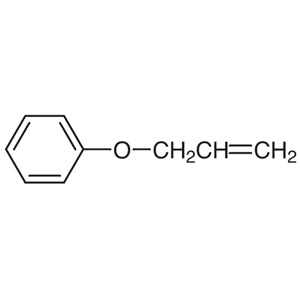
AllylPhenylEther TCI A0234
Regular price From Rp 1.140.300,00Regular price -
AllylCyanide TCI A0227
Regular price Rp 1.140.300,00Regular price -
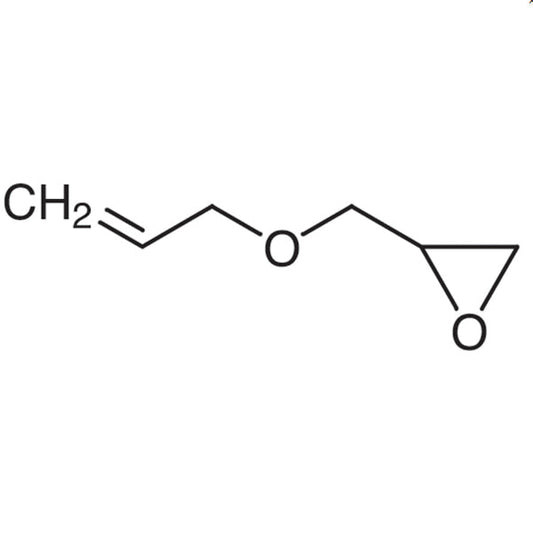
AllylGlycidylEther TCI A0221
Regular price From Rp 477.750,00Regular price -
AllylAcetate TCI A0020
Regular price From Rp 505.050,00Regular price -
AllylTrifluoroacetate TCI T1765
Regular price From Rp 1.035.300,00Regular price -
AllylBenzoate TCI B2041
Regular price Rp 2.650.200,00Regular price -
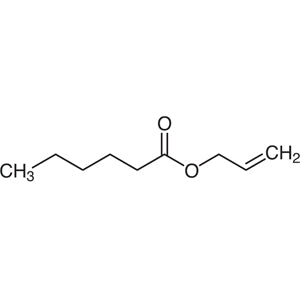
AllylHexanoate TCI A2179
Regular price Rp 637.350,00Regular price -
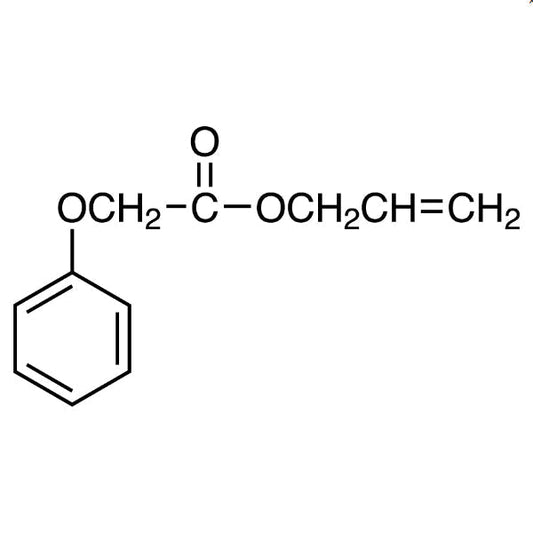
AllylPhenoxyacetate TCI A2177
Regular price Rp 903.000,00Regular price