Pentadecanedioic Acid (1460-18-0), also known as TCI P0909, is a chemical compound widely used in laboratory settings as a foundational building block in various chemical reactions. It belongs to the category of non-heterocyclic compounds and is characterized by its long carbon chain and two carboxylic acid groups. This compound plays a crucial role in the synthesis of complex molecules, serving as a versatile reagent in organic chemistry. Its chemical structure allows it to participate in multiple reaction types, making it an essential component for researchers working on the development of new chemical entities or modifications of existing ones.
The stability and reactivity of Pentadecanedioic Acid make it a preferred choice for laboratory applications. It readily reacts with alcohols, amines, and bases, enabling the formation of esters, amides, and polymers. Its high melting point ensures it remains solid under a wide range of laboratory conditions, which is advantageous for handling and storage. Additionally, its chemical inertness and predictable behavior in different reaction environments contribute to its reliability in synthetic processes. These properties make it a valuable tool for chemists seeking consistent and reproducible results.
In Indonesian laboratories, Pentadecanedioic Acid is commonly used in research and educational settings. It is a key reagent in the synthesis of various organic compounds, including esters and amides. Its availability in solid form simplifies handling and storage, making it accessible for both academic and industrial research. The compound's role in chemical synthesis supports the advancement of scientific knowledge and the development of new materials and pharmaceuticals in the region.
- Synthetic Organic Chemistry: Pentadecanedioic Acid is ideal for esterification and amidation reactions, providing a stable and reactive platform for the synthesis of complex organic compounds.
- Polymer Science: Its long carbon chain makes it suitable for polymer synthesis, where it can act as a monomer or functional group modifier in the creation of polymeric materials.
- Educational Research: Used in academic laboratories, it supports teaching and learning in organic chemistry, offering hands-on experience in chemical synthesis and reaction mechanisms.
- Pharmaceutical Development: The compound is valuable in the development of new drugs, where it can be used as a starting material for the synthesis of bioactive molecules.
- Industrial Chemistry: It is applied in the production of specialty chemicals, where its reactivity and structural versatility enable the creation of high-performance materials.
| Brand | TCI |
|---|---|
| CAS number | 1460-18-0 |
| Molecular formula | — |
| Purity | — |
| Category | Chemistry > Building Blocks > Non-Heterocyclic Building Blocks |
| Pack sizes | Available in various quantities as per standard laboratory supply |
| Physical form | Solid |
| Storage | Store in a cool, dry place away from direct sunlight and moisture |
Pentadecanedioic Acid should be stored in a cool, dry environment to maintain its chemical stability. It is recommended to keep it in a sealed container to prevent moisture absorption and contamination. The compound is typically stored in glass or polyethylene containers to ensure compatibility with its chemical properties. Due to its solid form, it is easy to handle and measure in laboratory settings. General laboratory precautions include wearing appropriate personal protective equipment, such as gloves and safety goggles, when handling the material. It should be stored away from incompatible substances like strong bases or oxidizing agents to avoid any potential chemical reactions. Proper storage ensures the compound remains effective and safe for use in various chemical applications.
—
Produk Terkait
-
TCI B5774 5,10-Bis(4,4,5,5-tetramethyl-1,3,2-dioxaborolan-2-yl)naphtho[1,2-c:5,6-c']bis([1,2,5]oxadiazole)
Regular price Rp 10.255.350,00Regular price -
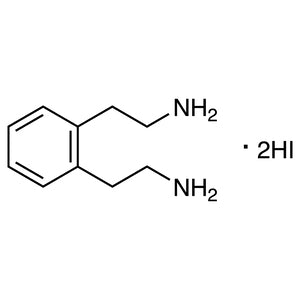
Dihydroiodide TCI B6569
Regular price From Rp 1.936.200,00Regular price -
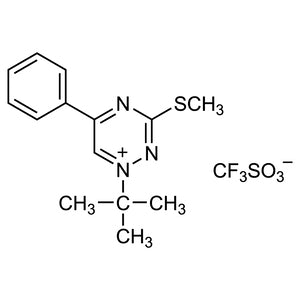
Trifluoromethanesulfonate TCI B7003
Regular price From Rp 1.936.200,00Regular price
![5,10-Bis(4,4,5,5-tetramethyl-1,3,2-dioxaborolan-2-yl)naphtho[1,2-c:5,6-c']bis([1,2,5]oxadiazole) - TCI B5774 - AMI Scientific](http://amiscientific.com/cdn/shop/files/TCI2510B5774.jpg?v=1769180228&width=533)