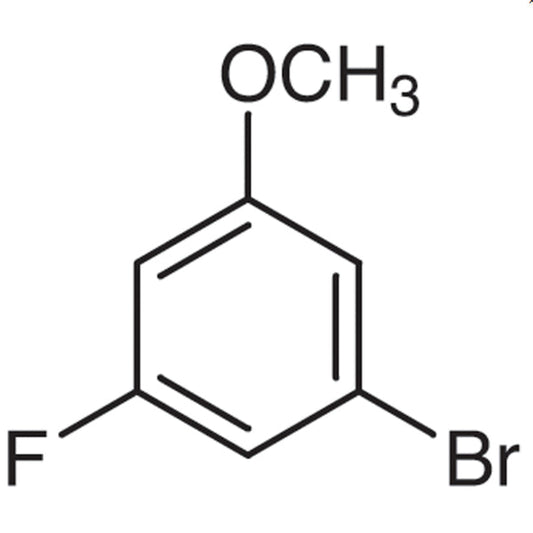
Pentafluoroanisole is a chemical compound widely used as a building block in the synthesis of fluorinated compounds. It plays a crucial role in laboratory settings where fluorine atoms are needed to modify molecular structures. This compound is particularly valuable in the development of organofluorine compounds, which are essential in various scientific and industrial applications. Its chemical structure provides stability and allows for specific chemical reactions, making it a reliable material for research and development in chemical synthesis.
Pentafluoroanisole is known for its chemical stability and controlled reactivity, which are key factors in its popularity among laboratory professionals. It does not easily decompose under normal conditions, making it convenient for storage and handling. These properties ensure that it remains effective throughout its use in chemical reactions. Its ability to react with a wide range of reagents further enhances its versatility in different experimental setups. This combination of stability and reactivity makes it a preferred choice for researchers working with fluorinated compounds.
In Indonesian laboratories, Pentafluoroanisole is commonly used in scientific research, pharmaceutical development, and chemical industry applications. Its role in creating complex fluorinated structures is vital for advancing chemical innovation. Due to its reliability and effectiveness, it is a standard material in many research and development environments across Indonesia. Its consistent performance supports the accuracy and efficiency of chemical experiments in various fields.
TCI brochures (PDF)
- Fluorous Chemistry 2025-01-21 · p. 10
- Fluorination Reagents, Fluorinated Building Blocks 2026-03-18 · p. 36
Related TCI products
- Fluorinated Compound Synthesis: Pentafluoroanisole is ideal for creating fluorinated compounds due to its stable structure and reactivity.
- Pharmaceutical Research: It is used in drug development to modify molecular structures, enhancing the properties of potential therapeutic agents.
- Organic Chemistry Experiments: Its controlled reactivity makes it suitable for a wide range of organic reactions in synthetic chemistry.
- Material Science Studies: It contributes to the development of new materials with unique chemical properties.
- Analytical Chemistry Applications: It serves as a reference compound in analytical procedures requiring precise chemical interactions.
| Brand | TCI |
|---|---|
| CAS number | 389-40-2 |
| Molecular formula | — |
| Purity | — |
| Category | Chemistry > Building Blocks > Fluorinated Building Blocks |
| Pack sizes | — |
| Physical form | — |
| Storage | Store in a cool, dry place away from direct sunlight |
Pentafluoroanisole should be stored in a cool, dry environment to maintain its chemical stability. It is recommended to keep it in a tightly sealed container to prevent exposure to moisture and air. Suitable containers include glass or high-density polyethylene vessels that are resistant to chemical reactions. Laboratory personnel should handle the compound with care, using appropriate personal protective equipment such as gloves and safety goggles. It is important to ensure proper ventilation in the workspace to minimize any potential exposure. Avoid contact with incompatible materials to maintain the integrity of the compound and ensure safe laboratory practices.
—
Produk Terkait
-
2,2,2,4'-Tetrafluoroacetophenone TCI T3257
Regular price From Rp 1.776.600,00Regular price -
5-Bromo-2-chloro-4-fluoroanisole TCI B5354
Regular price From Rp 664.650,00Regular price -
2-Bromo-5-fluoroanisole TCI B3875
Regular price Rp 2.016.000,00Regular price -
4-Bromo-3-fluoroanisole TCI B3743
Regular price From Rp 1.670.550,00Regular price -
4-Bromo-3,5-difluoroanisole TCI B3392
Regular price Rp 2.625.000,00Regular price -
4-Bromo-2,6-difluoroanisole TCI B3391
Regular price Rp 4.320.750,00Regular price -
4-Bromo-2,5-difluoroanisole TCI B3097
Regular price Rp 1.298.850,00Regular price -
3-Bromo-5-fluoroanisole TCI B2945
Regular price Rp 1.510.950,00Regular price