Pentafluoroaniline is a fluorinated chemical compound that plays a crucial role in laboratory research, particularly in the field of organic chemistry. As a building block in fluorinated chemistry, it serves as a versatile reagent for synthesizing a wide range of organofluorine compounds. These compounds are widely used in pharmaceutical, material science, and chemical industries due to their unique properties. Its molecular structure, featuring fluorine atoms attached to a nitrogen atom, contributes to its chemical stability and reactivity under specific conditions. This makes it an essential tool for chemists working on complex molecular structures and functional group modifications.
The unique properties of pentafluoroaniline, such as its high fluorine content and electronegative nature, make it a preferred choice in synthetic chemistry. The presence of fluorine atoms significantly influences the physical and chemical behavior of the compound, offering enhanced thermal stability and chemical resistance. These characteristics are highly beneficial in applications requiring controlled reactivity and durability. Additionally, its solubility in organic solvents like ethyl acetate and acetone allows for efficient use in various reaction conditions, making it a valuable reagent in both academic and industrial settings.
In Indonesian laboratories, pentafluoroaniline is commonly used in organic chemistry research, especially in the development of fluorinated compounds. Its ability to participate in a variety of chemical reactions, such as nucleophilic substitution and electrophilic aromatic substitution, makes it an essential component in the synthesis of pharmaceutical intermediates and specialty materials. Its role in advancing research in fluorinated chemistry is well recognized among Indonesian scientists and researchers.
TCI brochures (PDF)
- Fluorous Chemistry 2025-01-21 · p. 10
- Fluorination Reagents, Fluorinated Building Blocks 2026-03-18 · p. 36
- Organic synthesis is a key application where pentafluoroaniline is used to create fluorinated compounds with unique properties.
- Pharmaceutical research benefits from its role in synthesizing drug molecules with enhanced stability and bioavailability.
- Material science applications utilize its fluorinated structure to develop high-performance polymers and coatings.
- Analytical chemistry uses it as a standard for determining fluorine content in various compounds.
- Environmental studies incorporate it to investigate the behavior of fluorinated compounds in different matrices.
| Brand | TCI |
|---|---|
| CAS number | 771-60-8 |
| Molecular formula | — |
| Purity | — |
| Category | Chemistry > Building Blocks > Fluorinated Building Blocks |
| Pack sizes | 100g, 500g, 1kg |
| Physical form | Liquid |
| Storage | Store in a cool, dry place away from light and incompatible materials. |
Pentafluoroaniline should be stored in a cool, dry place, away from direct sunlight and sources of heat. It is recommended to keep it in a sealed container made of glass or polyethylene to prevent contamination and evaporation. Due to its reactivity, it should be handled in a well-ventilated area, preferably under a fume hood, to minimize exposure. Avoid contact with strong oxidizing agents and acids, as these can lead to dangerous reactions. Always use appropriate personal protective equipment, such as gloves and safety goggles, when handling this compound. Proper storage and handling ensure the safety of laboratory personnel and maintain the integrity of the compound for research purposes.
—
Produk Terkait
-
2,2,2,4'-Tetrafluoroacetophenone TCI T3257
Regular price From Rp 1.776.600,00Regular price -
2,3,4,5-Tetrafluoroaniline TCI T2782
Regular price From Rp 1.803.900,00Regular price -
3,4,5-Trifluoroaniline TCI T2355
Regular price From Rp 1.035.300,00Regular price -
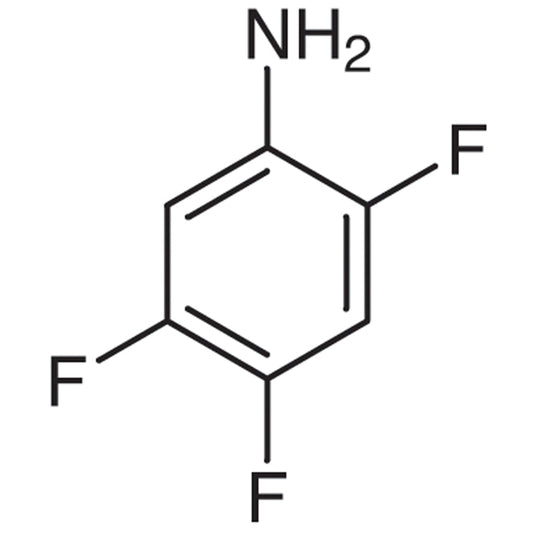
2,4,5-Trifluoroaniline TCI T1645
Regular price Rp 3.155.250,00Regular price -
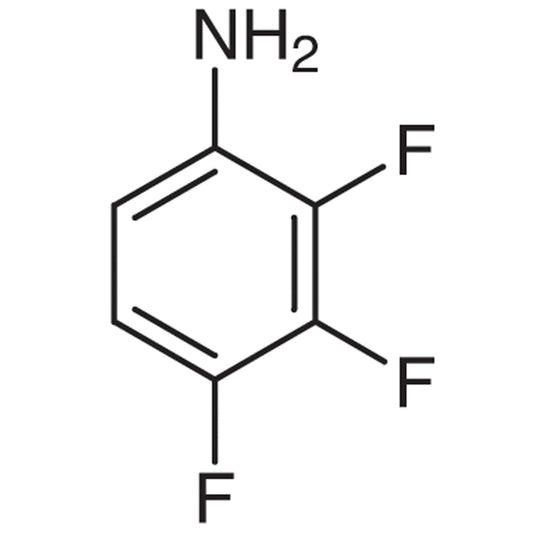
2,3,4-Trifluoroaniline TCI T1385
Regular price From Rp 769.650,00Regular price -
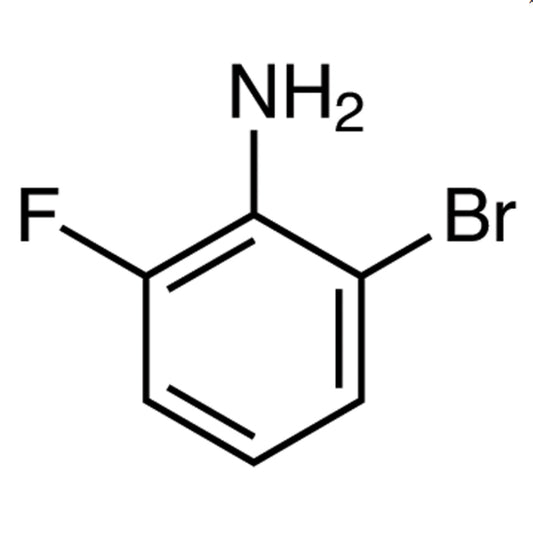
2-Bromo-6-fluoroaniline TCI B4803
Regular price From Rp 1.724.100,00Regular price -
2-Bromo-6-chloro-4-fluoroaniline TCI B3681
Regular price Rp 1.485.750,00Regular price -
4-Bromo-3,5-difluoroaniline TCI B3416
Regular price From Rp 1.538.250,00Regular price