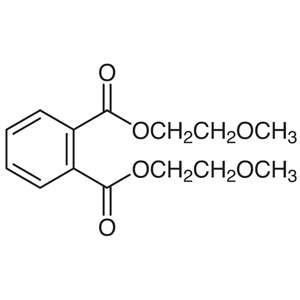
Bis(2-methoxyethyl) phthalate is a chemical compound widely used as a building block in laboratory experiments. It plays a crucial role in organic synthesis by serving as a versatile intermediate in the creation of complex organic molecules. This compound is commonly employed in the preparation of esters and polymers, making it an essential tool for chemists working in both academic and industrial settings. Its ability to participate in various chemical reactions without undergoing rapid decomposition makes it a reliable choice for laboratory use.
The compound is known for its chemical stability and controlled reactivity, which are key factors in its popularity among researchers. It exhibits good solubility in organic solvents, enabling it to be easily incorporated into a wide range of chemical processes. Its stability under normal conditions also simplifies storage and handling, reducing the risk of degradation during experimentation. These properties make it a preferred material for those seeking consistent and predictable results in their chemical work.
In Indonesian laboratories, Bis(2-methoxyethyl) phthalate is frequently used in organic chemistry research, particularly in higher education institutions and research centers. Its reliability and versatility make it a sought-after compound among both students and professionals engaged in chemical synthesis. Its applications span various experimental setups, contributing to the advancement of chemical studies in the region.
Related TCI products
- Organic synthesis: This compound is widely used in the synthesis of esters and polymers due to its reactivity and stability.
- Polymer research: It serves as a building block in the development of new polymer materials, offering structural versatility.
- Ester preparation: Its ability to participate in esterification reactions makes it ideal for creating ester compounds in laboratory settings.
- Teaching laboratories: It is commonly used in educational institutions for demonstrating chemical reactions and synthesis techniques.
- Research and development: Its consistent performance makes it a preferred choice for advanced chemical experiments and innovation.
| Brand | TCI |
|---|---|
| CAS number | 117-82-8 |
| Molecular formula | — |
| Purity | — |
| Category | Chemistry > Building Blocks > Non-Heterocyclic Building Blocks |
| Pack sizes | Available in various quantities as per standard laboratory supply |
| Physical form | Liquid |
| Storage | Store in a cool, dry place away from direct sunlight |
Bis(2-methoxyethyl) phthalate should be stored in a cool, dry location, away from direct sunlight and sources of heat. It is recommended to keep the compound in a sealed container to prevent evaporation and contamination. Due to its chemical stability, it does not require refrigeration under normal conditions. However, it should be handled with care to avoid exposure to incompatible substances. In laboratory settings, it is advisable to use appropriate personal protective equipment when handling this compound. Proper labeling and storage practices help ensure the safety of both the compound and the laboratory environment.
—
Produk Terkait
-
Bis(2-methoxyethyl)Adipate TCI A0165
Regular price From Rp 1.724.100,00Regular price -
2-EthoxyethylBenzoate TCI B0955
Regular price Rp 1.538.250,00Regular price -
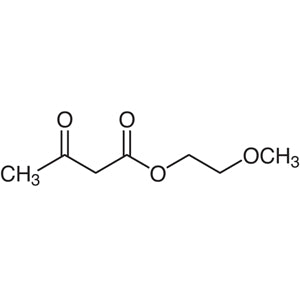
2-MethoxyethylAcetoacetate TCI A1583
Regular price Rp 610.050,00Regular price -
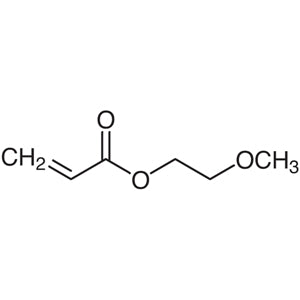
2-MethoxyethylAcrylate(stabilizedwithMEHQ) TCI A1405
Regular price From Rp 505.050,00Regular price -
2-MethoxyethylAcetate TCI M0113
Regular price From Rp 505.050,00Regular price -
2-EthoxyethylAcetate TCI E0049
Regular price From Rp 477.750,00Regular price -
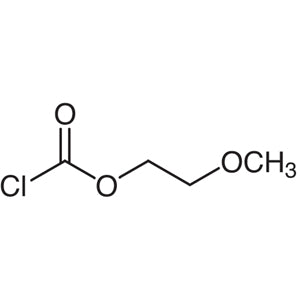
2-MethoxyethylChloroformate TCI C0928
Regular price From Rp 1.538.250,00Regular price -
MonohexylPhthalate TCI P1313
Regular price Rp 3.155.250,00Regular price