Diisobutyl Perylenedicarboxylate (mixture of regioisomers) is a chemical compound widely used in laboratory settings as a building block for the synthesis of complex molecules. It serves as a key intermediate in organic chemistry, enabling the construction of larger molecular structures through various chemical reactions. This compound is particularly valued for its structural versatility and reactivity, making it a fundamental tool in synthetic chemistry. Its unique molecular structure, featuring two carboxyl groups attached to a perylene core, allows for diverse functionalization and modification, expanding its applicability in research.
The compound’s stability and controlled reactivity make it a preferred choice for researchers seeking reliable and predictable outcomes in their experiments. Its non-heterocyclic nature ensures compatibility with a wide range of chemical environments, reducing the risk of unintended side reactions. Additionally, its ability to interact with various functional groups enhances its utility in the development of new compounds with specific properties. These characteristics make it a go-to material for both academic and industrial research.
In Indonesian laboratories, Diisobutyl Perylenedicarboxylate is commonly used in both pure and applied chemistry research. It is frequently employed in the synthesis of dyes, pigments, and other organic compounds. Its presence in research institutions and universities highlights its importance in advancing chemical knowledge and innovation. The compound’s reliability and adaptability continue to make it a staple in the chemical research toolkit across Indonesia.
Related TCI products
- TCI D3915 7283-69-4 Diisobutyl Fumarate
- TCI D3417 1189-24-8 Diisobutyl Phosphite
- TCI D2777 10547-96-3 2,2-Diisobutyl-1,3-propanediol
- TCI T4002 42594-17-2 Tricyclo[5210~2,6~]decanedimethanol Diacrylate (mixture of isomers) (stabilized with MEHQ)
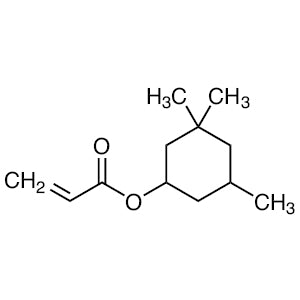
- TCI T3984 86178-38-3 3,3,5-Trimethylcyclohexyl Acrylate (cis- and trans- mixture) (stabilized with MEHQ)
- TCI T3033 52831-11-5 Trimethyl 1,3,5-Cyclohexanetricarboxylate (cis- and trans- mixture)
- Organic synthesis applications benefit from Diisobutyl Perylenedicarboxylate due to its ability to participate in substitution and coupling reactions, enabling the creation of complex molecular structures.
- Dye and pigment development relies on this compound because of its unique molecular structure, which allows for the formation of chromophores with specific absorption properties.
- Functional group modification in synthetic chemistry is enhanced by the compound’s reactivity, allowing for the introduction of diverse functionalities in target molecules.
- Research in materials science utilizes this compound for the synthesis of advanced polymers and nanomaterials due to its structural versatility.
- Analytical chemistry applications benefit from its stability and predictable behavior, making it suitable for use as a reference standard in various analytical techniques.
| Brand | TCI |
|---|---|
| CAS number | 2744-50-5 |
| Molecular formula | — |
| Purity | — |
| Category | Chemistry > Building Blocks > Non-Heterocyclic Building Blocks |
| Pack sizes | Available in various quantities as per supplier specifications |
| Physical form | Solid (exact form may vary based on supplier packaging) |
| Storage | Store in a cool, dry place away from light and moisture |
Diisobutyl Perylenedicarboxylate should be stored in a cool, dry environment, away from direct sunlight and moisture to maintain its stability. It is recommended to use airtight containers made of glass or high-density polyethylene to prevent contamination and degradation. General laboratory precautions include ensuring proper ventilation when handling the compound and wearing appropriate personal protective equipment, such as gloves and safety goggles. The compound is non-hazardous under normal storage conditions but should be handled with care to avoid exposure. It is important to store the material in a secure location to prevent accidental spills or contamination of other substances. Proper labeling of containers is essential for safe handling and to ensure compliance with laboratory safety protocols.
—
Produk Terkait
-
DiisobutylFumarate TCI D3915
Regular price From Rp 477.750,00Regular price -
DiisobutylPhosphite TCI D3417
Regular price Rp 1.298.850,00Regular price -
2,2-Diisobutyl-1,3-propanediol TCI D2777
Regular price From Rp 2.571.450,00Regular price -
Tricyclo[5210~2,6~]decanedimethanolDiacrylate(mixtureofisomers)(stabilizedwithMEHQ) TCI T4002
Regular price From Rp 1.273.650,00Regular price -
3,3,5-TrimethylcyclohexylAcrylate(cis-andtrans-mixture)(stabilizedwithMEHQ) TCI T3984
Regular price From Rp 1.510.950,00Regular price -
Trimethyl1,3,5-Cyclohexanetricarboxylate(cis-andtrans-mixture) TCI T3033
Regular price From Rp 5.274.150,00Regular price -
Trimethyl1,2,4-Cyclohexanetricarboxylate(cis-andtrans-mixture) TCI T3029
Regular price From Rp 1.590.750,00Regular price -
2,3,4,5-Tetramethylcyclopent-2-en-1-one(cis-andtrans-mixture) TCI T2827
Regular price Rp 3.630.900,00Regular price


![42594-17-2 Tricyclo[5.2.1.0~2,6~]decanedimethanol Diacrylate (mixture of isomers) (stabilized with MEHQ) - AMI Scientific](http://amiscientific.com/cdn/shop/files/TCI2510T4002.jpg?v=1767144579&width=533)