1-Pyrenebutyric Acid (TCI P1213) is a chemical compound widely used in laboratory settings for the synthesis of complex organic molecules. It serves as a key building block in chemical reactions, particularly in the development of organic compounds with specialized applications. This compound is composed of a pyrene ring system connected to a butyric acid chain, making it a versatile reagent in synthetic chemistry. Its unique molecular structure allows it to participate in various functional group transformations, enhancing its utility in both academic and industrial research environments.
The chemical properties of 1-Pyrenebutyric Acid make it a preferred choice for chemists. Its stability and controlled reactivity enable it to be used in substitution and coupling reactions with high efficiency. The compound’s ability to react with functional groups such as amines, hydroxyls, and halogens further broadens its applicability. Additionally, the presence of the pyrene ring imparts fluorescent properties, which are valuable in spectroscopic analysis techniques. These characteristics contribute to its reliability and effectiveness in laboratory applications.
In Indonesian laboratories, 1-Pyrenebutyric Acid is commonly used in organic chemistry research. It plays a crucial role in the development of pharmaceutical compounds, advanced materials, and analytical reagents. Its stability and reactivity make it a reliable component in both routine and specialized chemical processes. The compound's fluorescent properties are particularly useful in fluorescence-based analytical methods, supporting research in various scientific fields.
Related TCI products
- TCI P1214 42189-56-0 N-(1-Pyrenyl)maleimide
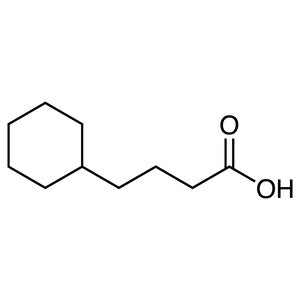
- TCI C0952 4441-63-8 4-Cyclohexanebutyric Acid
- TCI P2226 1115084-83-7 1-[(2-Propynyloxy)methyl]pyrene
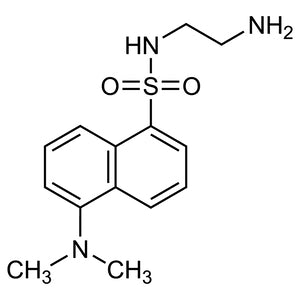
- TCI D6499 35060-08-3 N-(2-Aminoethyl)-5-(dimethylamino)naphthalene-1-sulfonamide
- TCI A0306 3326-34-9 5-Aminofluorescein (isomer I)
- TCI U0186 449175-58-0 Sulfo-cyanine 5 Carboxylic Acid Potassium Salt
- Organic synthesis is a primary application where 1-Pyrenebutyric Acid is used for constructing complex molecules with specific functional groups.
- Pharmaceutical research benefits from this compound due to its ability to participate in reactions that form drug-like structures with therapeutic potential.
- Material science applications leverage its fluorescent properties for the development of advanced optical materials and sensors.
- Analytical chemistry uses its fluorescence for spectroscopic analysis, enabling the detection and quantification of target compounds.
- Environmental studies may employ it in the synthesis of compounds used for monitoring pollutants and assessing chemical interactions in natural systems.
| Brand | TCI |
|---|---|
| CAS number | 3443-45-6 |
| Molecular formula | — |
| Purity | — |
| Category | Chemistry > Building Blocks > Non-Heterocyclic Building Blocks |
| Pack sizes | Available in various quantities as per supplier specifications |
| Physical form | Solid, typically in crystalline or powder form |
| Storage | Store in a cool, dry place away from light and moisture |
1-Pyrenebutyric Acid should be stored in a cool, dry environment to maintain its chemical stability. It is recommended to keep the compound in airtight containers to prevent exposure to moisture and air, which may affect its integrity. Due to its potential reactivity, it should be handled in a well-ventilated laboratory setting. Protective gloves and safety goggles should be worn during handling to ensure personal safety. The compound is generally non-hazardous under normal storage conditions, but proper laboratory protocols should always be followed to minimize any risks associated with chemical handling.
—
Produk Terkait
-
N-(1-Pyrenyl)maleimide TCI P1214
Regular price Rp 2.809.800,00Regular price -
4-CyclohexanebutyricAcid TCI C0952
Regular price From Rp 717.150,00Regular price -
1-[(2-Propynyloxy)methyl]pyrene TCI P2226
Regular price From Rp 5.485.200,00Regular price -
N-(2-Aminoethyl)-5-(dimethylamino)naphthalene-1-sulfonamide TCI D6499
Regular price Rp 1.936.200,00Regular price -
5-Aminofluorescein(isomerI) TCI A0306
Regular price Rp 4.056.150,00Regular price -
Sulfo-cyanine5CarboxylicAcidPotassiumSalt TCI U0186
Regular price Rp 2.889.600,00Regular price -
Sulfo-cyanine5CarboxylicAcid TCI U0172
Regular price From Rp 3.392.550,00Regular price -
Hexacyanine2 TCI T4274
Regular price From Rp 980.700,00Regular price

![1115084-83-7 1-[(2-Propynyloxy)methyl]pyrene - AMI Scientific](http://amiscientific.com/cdn/shop/files/TCI2510P2226.jpg?v=1767135944&width=533)