2-Phenylisobutyric Acid from TCI (product code P1409), also known as 2-methyl-2-phenylpropanoic acid, is an aromatic carboxylic acid with two methyl groups on the alpha carbon. This makes the alpha carbon a quaternary centre bonded to a phenyl ring, two methyl groups and a carboxylic acid group. TCI lists it as a non-heterocyclic building block. The α,α-dimethylphenylacetic motif appears often in pharmaceutical molecule design, so this compound is a useful intermediate for synthesis and medicinal chemistry laboratories.
The defining feature of this material is its quaternary alpha carbon, which carries no hydrogen atom. Because of this, the compound cannot undergo enolisation or racemisation at the alpha position. It also resists oxidation at the benzylic position and places considerable steric hindrance around the carbonyl group. In drug design, gem-dimethyl motifs like this one are often used to block oxidative metabolism and to restrict conformation. The carboxylic acid group can still be converted into esters, amides, alcohols, or isocyanates through the Curtius rearrangement, so the compound remains versatile in synthesis.
In Indonesian laboratories, this compound is most relevant to university organic chemistry groups, pharmaceutical research and development teams, and contract synthesis facilities that build small-molecule libraries. It comes in 25 g and 250 g packs, which suggests it is often used in relatively large quantities, for example in multi-step routes, scale-up trials, or repeated derivatisation work. Researchers can use it as a dependable starting material when a sterically protected, metabolically stable aryl-acid fragment is needed.
- Medicinal chemistry scaffold design: the gem-dimethyl alpha carbon lets chemists add a metabolically stable, conformationally restricted aryl-acid fragment to candidate molecules.
- Amide coupling and library synthesis: the carboxylic acid group reacts with amines to give hindered amides, which helps build diverse compound sets for structure–activity studies.
- Ester preparation for intermediates: esterifying the acid gives protected or more lipophilic derivatives for later synthetic steps or for physicochemical comparison work.
- Curtius rearrangement to isocyanates and amines: converting the acid through the Curtius route gives a tertiary benzylic nitrogen centre, which is otherwise hard to reach directly.
- Reduction to the corresponding alcohol: reducing the carboxyl group gives a neopentyl-type benzylic alcohol for further functionalisation, while the quaternary carbon still cannot racemise.
| Brand | TCI (product code P1409) |
|---|---|
| CAS number | 826-55-1 |
| Molecular formula | — |
| Purity | — |
| Category | Chemistry > Building Blocks > Non-Heterocyclic Building Blocks |
| Pack sizes | 25 g and 250 g |
| Physical form | refer to the manufacturer's label and Certificate of Analysis |
| Storage | keep tightly closed in a cool, dry place, following the TCI Safety Data Sheet |
Store 2-Phenylisobutyric Acid in its original, tightly sealed container in a cool, dry and well-ventilated area, away from direct sunlight, moisture, strong bases and strong oxidising agents. After opening, reseal the container promptly. If you transfer portions, use clean, labelled glass or chemically compatible containers. Wear standard laboratory protective equipment when handling the material, including safety glasses, gloves and a lab coat. Weigh and transfer it in a fume hood or a well-ventilated area to avoid inhaling dust or vapour, and avoid contact with skin and eyes. Always check the current TCI Safety Data Sheet for specific hazard, first-aid and disposal information before use.
—
Produk Terkait
-
IsobutyricAcidHydrazide TCI I1105
Regular price From Rp 2.306.850,00Regular price -
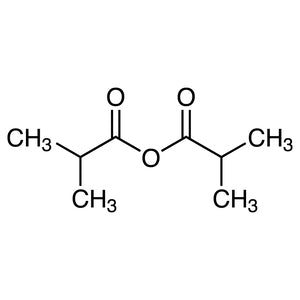
IsobutyricAnhydride TCI I0111
Regular price From Rp 610.050,00Regular price -
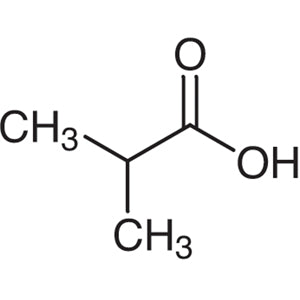
IsobutyricAcid TCI I0103
Regular price From Rp 477.750,00Regular price -
2-(4-Chlorophenoxy)isobutyricAcid TCI C0940
Regular price Rp 664.650,00Regular price -
3-BromoisobutyricAcid TCI B2571
Regular price From Rp 2.174.550,00Regular price -
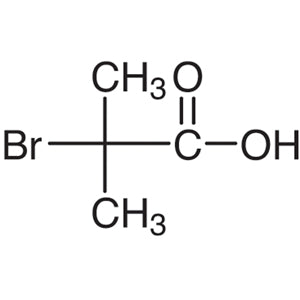
2-BromoisobutyricAcid TCI B0605
Regular price From Rp 823.200,00Regular price -
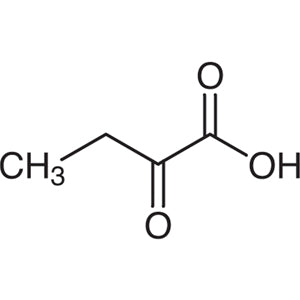
2-OxobutyricAcid TCI O0364
Regular price Rp 8.692.950,00Regular price -
4-(4-Methylphenyl)-4-oxobutyricAcid TCI M1377
Regular price From Rp 980.700,00Regular price