Penicillin G Sodium Salt TCI P1770 is a critical antibiotic compound widely used in biomedical research and cellular experiments. As a sodium salt of penicillin G, it belongs to the beta-lactam class of antibiotics, known for its effectiveness against gram-positive bacteria. This compound plays a vital role in laboratory settings where microbial control is essential, particularly in cell culture and organoid research. Its ability to inhibit bacterial growth makes it indispensable for maintaining sterile conditions and ensuring the accuracy of experimental results.
The chemical stability and water solubility of Penicillin G Sodium Salt make it a preferred choice for researchers. These properties allow it to be easily dissolved in culture media, ensuring consistent dosing and concentration levels. Its strong antibacterial activity enables precise control over microbial populations, which is crucial in experiments requiring specific bacterial inhibition. The compound’s reliability and effectiveness have made it a standard in many laboratory protocols, especially those involving long-term cell culture and organoid development.
In Indonesian laboratories, Penicillin G Sodium Salt is commonly used in biomedical, pharmacological, and biotechnological research. Its availability and adherence to international quality standards make it a trusted material among local researchers. The compound is essential for maintaining the integrity of cell cultures and organoid models, supporting advancements in various scientific fields. Its role in microbial control ensures that experiments remain accurate and reproducible, contributing to the success of research projects in Indonesia.
- Used in organoid culture to maintain sterile conditions and prevent contamination by gram-positive bacteria.
- Applied in cell culture experiments to control microbial growth and ensure the purity of cell lines.
- Employed in biomedicine research for studying antibiotic efficacy and bacterial resistance mechanisms.
- Utilized in pharmacological studies to evaluate the impact of antibiotics on bacterial inhibition.
- Integrated into biotechnological processes for the development of microbial control strategies in cell-based systems.
| Brand | TCI |
|---|---|
| CAS number | 69-57-8 |
| Molecular formula | — |
| Purity | — |
| Category | Life Science > Cell Culture > Organoid Culture |
| Pack sizes | — |
| Physical form | — |
| Storage | Store in a cool, dry place away from moisture and light. |
Penicillin G Sodium Salt should be stored in a cool, dry place, away from moisture and direct light to maintain its chemical stability. It is recommended to use airtight containers to prevent exposure to air and contaminants. Due to its antibiotic nature, it should be handled with care to avoid cross-contamination in laboratory settings. Proper labeling and storage are essential to ensure safe handling and prevent accidental exposure. Laboratories should follow standard safety protocols when working with this compound, including the use of gloves and appropriate personal protective equipment. Regular monitoring of storage conditions helps preserve the compound's effectiveness and ensures its suitability for research applications.
—
Produk Terkait
-
TCI B5774 5,10-Bis(4,4,5,5-tetramethyl-1,3,2-dioxaborolan-2-yl)naphtho[1,2-c:5,6-c']bis([1,2,5]oxadiazole)
Regular price Rp 10.255.350,00Regular price -
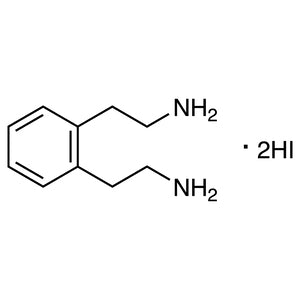
Dihydroiodide TCI B6569
Regular price From Rp 1.936.200,00Regular price -
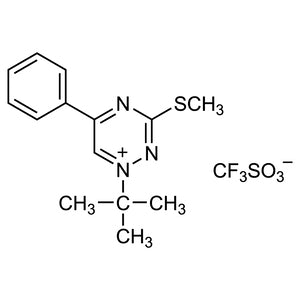
Trifluoromethanesulfonate TCI B7003
Regular price From Rp 1.936.200,00Regular price
![5,10-Bis(4,4,5,5-tetramethyl-1,3,2-dioxaborolan-2-yl)naphtho[1,2-c:5,6-c']bis([1,2,5]oxadiazole) - TCI B5774 - AMI Scientific](http://amiscientific.com/cdn/shop/files/TCI2510B5774.jpg?v=1769180228&width=533)