


3-(1-Pyrrolylmethyl)pyridine is a chemical compound widely used as a building block in the synthesis of complex heterocyclic compounds. It plays a crucial role in organic chemistry laboratories, where it serves as a key component in the development of new molecules with potential pharmaceutical or industrial applications. This compound is particularly valued for its ability to participate in reactions that form cyclic structures involving nitrogen atoms, making it essential for the creation of diverse chemical structures.
The compound's stability and controlled reactivity make it a preferred choice for researchers requiring high precision in their synthetic processes. Its molecular structure combines pyridine and pyrrole, providing unique reactivity that allows for substitution reactions and the formation of new bonds with various reagents. These characteristics make it ideal for use in reactions requiring molecular modification. Additionally, its good solubility in organic solvents simplifies purification and isolation steps in laboratory procedures.
In Indonesian laboratories, 3-(1-Pyrrolylmethyl)pyridine is commonly used in research focused on the development of new compounds with pharmacological or industrial applications. Its role in creating complex molecular structures supports a wide range of chemical investigations, contributing to advancements in both academic and applied research settings.
Related TCI products
- TCI D3851 21211-65-4 2,2'-Dipyrrolylmethane
- TCI T4400 942919-26-8 4-(4,4,5,5-Tetramethyl-1,3,2-dioxaborolan-2-yl)-1H-pyrrolo[2,3-b]pyridine
- TCI T4270 14389-12-9 4-(1H-Tetrazol-5-yl)pyridine
- TCI T3431 33893-89-9 2-(1H-Tetrazol-5-yl)pyridine
- TCI T3007 72811-73-5 4-(m-Tolylamino)pyridine-3-sulfonamide
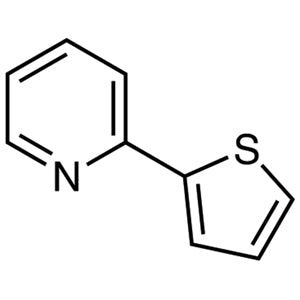
- TCI T2936 3319-99-1 2-(2-Thienyl)pyridine
- Organic synthesis of heterocyclic compounds due to its ability to form nitrogen-containing cyclic structures.
- Development of pharmaceuticals and industrial chemicals through controlled molecular modification.
- Research in medicinal chemistry for the creation of bioactive molecules with therapeutic potential.
- Use in analytical chemistry for the study of molecular reactivity and structural changes.
- Support in polymer chemistry for the synthesis of complex organic polymers with functional groups.
| Brand | TCI |
|---|---|
| CAS number | 80866-95-1 |
| Molecular formula | — |
| Purity | — |
| Category | Chemistry > Building Blocks > Heterocyclic Building Blocks |
| Pack sizes | Available in standard laboratory quantities as per supplier specifications |
| Physical form | Liquid or solid, depending on formulation |
| Storage | Store in a cool, dry place away from light and incompatible substances |
This compound should be stored in a cool, dry environment, away from direct sunlight and sources of heat. It is recommended to use sealed containers made of materials compatible with its chemical nature, such as glass or high-density polyethylene. Proper labeling and storage in a designated chemical storage area are essential to prevent accidental exposure. Laboratory personnel should handle the compound with appropriate personal protective equipment, including gloves and safety goggles, to ensure safety during handling. Regular monitoring of storage conditions is advised to maintain the compound's integrity and ensure safe laboratory practices.
—
Produk Terkait
-
2,2'-Dipyrrolylmethane TCI D3851
Regular price From Rp 5.432.700,00Regular price -
4-(4,4,5,5-Tetramethyl-1,3,2-dioxaborolan-2-yl)-1H-pyrrolo[2,3-b]pyridine TCI T4400
Regular price From Rp 3.630.900,00Regular price -
4-(1H-Tetrazol-5-yl)pyridine TCI T4270
Regular price From Rp 1.431.150,00Regular price -
2-(1H-Tetrazol-5-yl)pyridine TCI T3431
Regular price From Rp 1.776.600,00Regular price -
4-(m-Tolylamino)pyridine-3-sulfonamide TCI T3007
Regular price Rp 2.332.050,00Regular price -
2-(2-Thienyl)pyridine TCI T2936
Regular price From Rp 2.227.050,00Regular price -
4,5,6,7-Tetrahydrothieno[3,2-c]pyridineHydrochloride TCI T2770
Regular price From Rp 505.050,00Regular price -
4,5,6,7-Tetrahydrothieno[3,2-c]pyridine TCI T2686
Regular price From Rp 3.100.650,00Regular price

![942919-26-8 4-(4,4,5,5-Tetramethyl-1,3,2-dioxaborolan-2-yl)-1H-pyrrolo[2,3-b]pyridine - AMI Scientific](http://amiscientific.com/cdn/shop/files/TCI2510T4400.jpg?v=1767145178&width=533)


![28783-41-7 4,5,6,7-Tetrahydrothieno[3,2-c]pyridine Hydrochloride - AMI Scientific](http://amiscientific.com/cdn/shop/files/TCI2510T2770.jpg?v=1767143341&width=533)
![54903-50-3 4,5,6,7-Tetrahydrothieno[3,2-c]pyridine - AMI Scientific](http://amiscientific.com/cdn/shop/files/TCI2510T2686.jpg?v=1767143251&width=533)