


2,2'-Dipyrrolylmethane is a chemical compound widely used as a building block in the synthesis of heterocyclic compounds. Its unique molecular structure plays a crucial role in the development of complex organic molecules with specific functional properties. In laboratory settings, this compound serves as a key intermediate in various synthetic pathways, enabling the creation of molecules with tailored chemical and biological characteristics. Due to its structural complexity, it is often employed in advanced organic chemistry research to achieve precise molecular design.
This compound is valued for its chemical stability under controlled conditions, making it suitable for use in high-precision synthetic processes. However, it is sensitive to moisture and air exposure, which necessitates careful handling and storage. Its reactivity and structural versatility make it a preferred choice for researchers aiming to develop compounds with specific biological or industrial applications. The compound's ability to participate in a wide range of chemical reactions further enhances its utility in laboratory environments.
In Indonesian laboratories, 2,2'-Dipyrrolylmethane is commonly used in organic chemistry research, particularly in the synthesis of heterocyclic compounds. It is a valuable tool for scientists working on drug development, material science, and other fields requiring precise molecular construction. Its application supports the creation of new compounds with potential applications in medicine and industry, contributing to scientific innovation in the region.
Related TCI products
- Heterocyclic Compound Synthesis: This compound is ideal for creating complex organic molecules with specific biological activities, making it essential for pharmaceutical research.
- Organic Chemistry Research: Its structural versatility supports the development of new chemical entities with tailored properties for various applications.
- Drug Development: The compound's role in synthesizing bioactive molecules makes it a key component in the creation of potential therapeutic agents.
- Material Science Studies: Its unique molecular structure allows for the synthesis of materials with specific chemical and physical properties.
- Industrial Chemistry Applications: It is used in the production of specialty chemicals that require precise molecular design and functional groups.
| Brand | TCI |
|---|---|
| CAS number | 21211-65-4 |
| Molecular formula | — |
| Purity | — |
| Category | Chemistry > Building Blocks > Heterocyclic Building Blocks |
| Pack sizes | As per supplier specifications |
| Physical form | Solid (as per standard product description) |
| Storage | Requires dry, cool, and airtight conditions to maintain stability. |
This compound should be stored in a dry, cool environment away from moisture and air exposure to maintain its chemical stability. It is recommended to use airtight containers made of inert materials such as glass or polyethylene to prevent degradation. Due to its sensitivity, it should be handled with care using appropriate personal protective equipment, including gloves and safety goggles. Laboratory personnel should ensure that the compound is stored in a well-ventilated area and kept separate from incompatible substances. Regular monitoring of storage conditions is essential to ensure the compound remains suitable for use in chemical synthesis processes.
—
Produk Terkait
-
3-(1-Pyrrolylmethyl)pyridine TCI P1853
Regular price From Rp 1.856.400,00Regular price -
Azetidin-3-ylmethanolHydrochloride TCI A3231
Regular price From Rp 2.730.000,00Regular price -
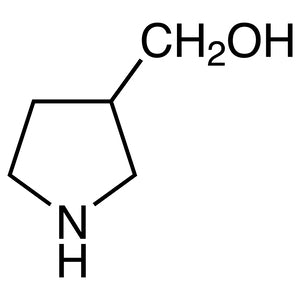
Pyrrolidin-3-ylmethanol TCI P2000
Regular price From Rp 1.326.150,00Regular price -
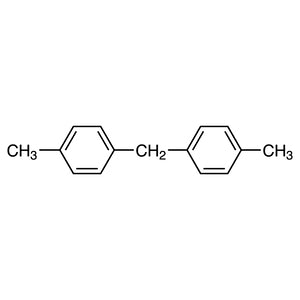
Di-p-tolylmethane TCI D1312
Regular price Rp 5.247.900,00Regular price -
Thiazol-2-ylmethanamine TCI T4142
Regular price From Rp 2.279.550,00Regular price -
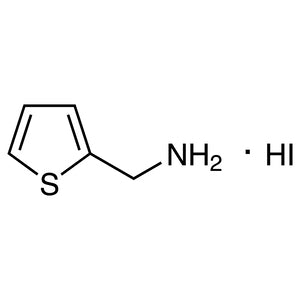
Thiophen-2-ylmethanamineHydroiodide TCI A3505
Regular price From Rp 1.167.600,00Regular price -
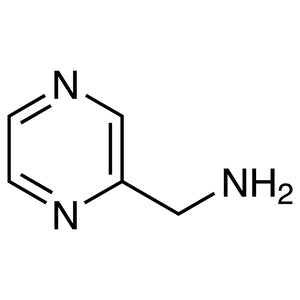
Pyrazin-2-ylmethanamine TCI P3116
Regular price Rp 1.193.850,00Regular price -
4,4'-DiantipyrylmethaneMonohydrate[forTiAnalysis] TCI D1029
Regular price Rp 1.140.300,00Regular price



![4,4'-Diantipyrylmethane Monohydrate [for Ti Analysis] (CAS 1251-85-0) - TCI D1029 - AMI Scientific](http://amiscientific.com/cdn/shop/files/TCI2510D1029.jpg?v=1767102446&width=533)