Di-p-tolylmethane is a chemical compound widely used in laboratory settings as a building block for the synthesis of complex organic compounds. Its simple molecular structure plays a crucial role in the formation of longer carbon chains, making it an essential component in organic chemistry research. This compound is commonly employed in reactions involving carbon-carbon bond formation or substitution reactions, contributing to the development of various organic molecules. Its versatility allows chemists to explore a wide range of synthetic pathways, particularly in the fields of medicinal chemistry and pharmaceutical research.
The key properties of Di-p-tolylmethane include its non-polar nature and stability under specific chemical conditions. These characteristics make it highly compatible with organic solvents such as ethyl acetate and chloroform, facilitating its use in a variety of reaction systems. Its non-corrosive nature also ensures safe handling in laboratory environments, reducing the risk of equipment damage or chemical exposure. These features make it a preferred choice for researchers seeking reliable and stable reagents for their experiments.
In Indonesian laboratories, Di-p-tolylmethane is extensively used in organic chemistry research, particularly by academic institutions and research centers. It is a fundamental reagent in the synthesis of pharmaceutical compounds and other complex organic molecules. Its availability and reliability make it a go-to material for both educational and industrial applications in the chemical industry.
- Organic synthesis is a primary application where Di-p-tolylmethane is used to construct complex molecular structures through carbon-carbon bond formation.
- Medicinal chemistry research benefits from its role in the development of pharmaceutical compounds, as it provides a stable and versatile building block.
- Teaching laboratories utilize Di-p-tolylmethane for demonstrating organic reaction mechanisms and synthetic pathways to students.
- Industrial chemical production incorporates this compound in the manufacturing of specialty chemicals and intermediates.
- Analytical chemistry applications rely on its stability and solubility properties for use in chromatographic and spectroscopic analyses.
| Brand | TCI |
|---|---|
| CAS number | 4957-14-6 |
| Molecular formula | — |
| Purity | — |
| Category | Chemistry > Building Blocks > Non-Heterocyclic Building Blocks |
| Pack sizes | Available in various quantities as per standard laboratory supply options |
| Physical form | Liquid |
| Storage | Store in a cool, dry place away from direct sunlight |
Di-p-tolylmethane should be stored in a cool, dry environment to maintain its chemical stability. It is recommended to keep the compound in a tightly sealed container to prevent evaporation and contamination. Due to its non-polar nature, it is best stored in glass or polyethylene containers that are resistant to organic solvents. Handling should be done with appropriate personal protective equipment, such as gloves and safety goggles, to ensure laboratory safety. Regular inspection of storage conditions is advised to ensure the compound remains in optimal condition for use.
—
Produk Terkait
-
Triphenylmethane TCI T0515
Regular price From Rp 1.431.150,00Regular price -
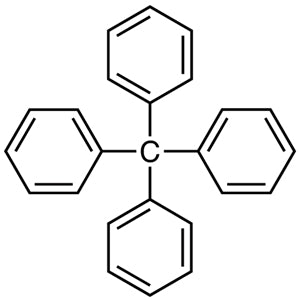
Tetraphenylmethane TCI T0169
Regular price From Rp 1.749.300,00Regular price -
Diphenylmethane TCI D0896
Regular price From Rp 584.850,00Regular price -
2,2'-Dipyrrolylmethane TCI D3851
Regular price From Rp 5.432.700,00Regular price -
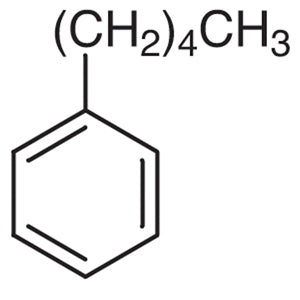
Amylbenzene TCI A0449
Regular price From Rp 1.353.450,00Regular price -
Anthracene TCI A0495
Regular price From Rp 584.850,00Regular price -
Acenaphthylene TCI A0005
Regular price From Rp 769.650,00Regular price -
Acenaphthene TCI A0003
Regular price From Rp 769.650,00Regular price