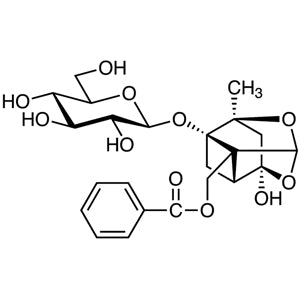
Paeoniflorin is a chemical compound classified under glycosides, widely utilized in chemical biology and glycoscience research. It plays a crucial role in laboratories by serving as a key reagent for the synthesis of new compounds and in evaluating biological activities. Its molecular structure is complex, making it an essential tool for studying interactions between organic compounds and biological systems. This compound is particularly valuable in experiments that require precise chemical behavior and stability.
Paeoniflorin is favored for its chemical stability and solubility in organic solvents such as ethyl acetate and ethanol. These properties make it highly versatile in various chemical reactions and isolation processes. Its ability to dissolve in common solvents simplifies handling and enhances its applicability in different experimental setups. Additionally, its pharmacological activity makes it a sought-after material in drug research and alternative therapy studies.
In Indonesian laboratories, Paeoniflorin is commonly used in pharmacology, biochemical, and public health research. It is frequently applied in studies examining the pharmacological effects of traditional medicinal plants and in the development of new compounds with therapeutic potential. Its role in antioxidant activity testing further underscores its importance in scientific investigations.
TCI brochures (PDF)
- Traditional Medicine/Crude Medicine Research Reagents 2024-09-11 · p. 1
- Terpenes 2025-09-22 · p. 7
- Plant Research Reagents 2026-02-24 · p. 8
- Phytochemicals 2025-12-17 · p. 7
- Reagents for Glyco Chemistry & Biology 5th Edition · p. 37
- Pharmaceutical Ingredients for Research and Experimental Use 2026-03-09 · p. 47
- Anti-inflammatory research benefits from Paeoniflorin’s ability to modulate biological pathways involved in inflammation, making it ideal for studying natural remedies.
- Antioxidant activity testing leverages its chemical stability and solubility, allowing accurate measurement of free radical scavenging properties.
- Drug development studies use Paeoniflorin as a model compound for synthesizing new therapeutic agents with bioactive properties.
- Traditional medicine research incorporates Paeoniflorin to evaluate the efficacy of herbal extracts in treating chronic diseases.
- Bioavailability studies utilize its solubility and stability to assess how compounds are absorbed and distributed in biological systems.
| Brand | TCI |
|---|---|
| CAS number | 23180-57-6 |
| Molecular formula | — |
| Purity | — |
| Category | Chemistry > Chemical Biology > Glycoscience |
| Pack sizes | Available in various quantities as per standard laboratory requirements |
| Physical form | Solid powder |
| Storage | Store in a cool, dry place away from light and moisture |
Paeoniflorin should be stored in a cool, dry environment, away from direct light and moisture to maintain its chemical stability. It is recommended to use airtight containers to prevent exposure to air and humidity. Due to its solubility in organic solvents, it should be handled in a well-ventilated area to minimize inhalation risks. Laboratory personnel should wear appropriate personal protective equipment, such as gloves and safety goggles, when handling this compound. Proper disposal procedures should be followed to ensure environmental safety. Regular monitoring of storage conditions is advised to ensure the compound remains in optimal condition for research use.
—
Product Categories
- GlycoscienceFunctional OligosaccharidesNatural Glycosides [Functional Oligosaccharides]
- GlycoscienceMonosaccharides [Glycoscience]Glucoses [Glycoscience]
- Biochemicals and ReagentsCarbohydrates
- Biochemicals and ReagentsCrude Medicine Ingredients for Research and Experimental Use
- Biochemicals and ReagentsPharmaceutical Research Reagents (for Experimental Use)Pharmaceutical Research Reagents (Others)
- Biochemicals and ReagentsTerpenesBicyclic Monoterpenes
- Cell BiologyNutrition ResearchPhytochemicals
- Pharmaceutical Development and Drug Discovery ResearchPharmaceutical Research Reagents (for Experimental Use)Pharmaceutical Research Reagents (Others)
- Pharmaceutical Development and Drug Discovery ResearchCrude Medicine Ingredients for Research and Experimental Use
Produk Terkait
-
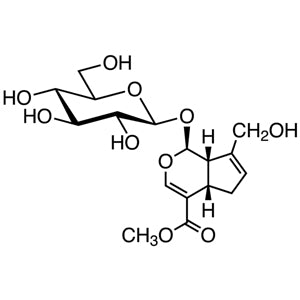
Geniposide TCI G0385
Regular price From Rp 1.881.600,00Regular priceRp 1.331.400,00Sale price From Rp 1.881.600,00 -
Arbutin TCI A0522
Regular price From Rp 505.050,00Regular priceRp 368.550,00Sale price From Rp 505.050,00 -
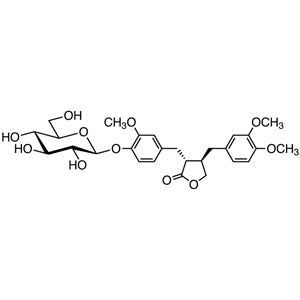
Arctiin TCI A3118
Regular price From Rp 1.483.650,00Regular priceRp 1.053.150,00Sale price From Rp 1.483.650,00 -
Sophoricoside TCI S0835
Regular price Rp 8.718.150,00Regular priceRp 6.112.050,00Sale price Rp 8.718.150,00 -
Puerarin TCI P1886
Regular price From Rp 1.458.450,00Regular priceRp 1.035.300,00Sale price From Rp 1.458.450,00 -
LoganicAcid TCI L0323
Regular price Rp 8.613.150,00Regular priceRp 6.038.550,00Sale price Rp 8.613.150,00 -
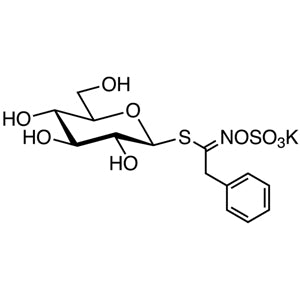
GlucotropaeolinPotassiumSalt TCI G0397
Regular price Rp 6.147.750,00Regular priceRp 4.314.450,00Sale price Rp 6.147.750,00 -
Daidzin TCI D3920
Regular price Rp 5.883.150,00Regular priceRp 4.129.650,00Sale price Rp 5.883.150,00