Pinostilbene from TCI (product code P1927) is a naturally occurring stilbenoid. Structurally, it is a monomethyl ether derivative of resveratrol: its stilbene backbone carries one methoxy group and two hydroxyl groups. It occurs in plants of the genus Pinus and is also known as one of the metabolites formed from pterostilbene in the body. In life science and pharmacology laboratories, pinostilbene serves as a test compound and a reference standard for studying the biological activity of the stilbenoid family.
Its structure is what makes pinostilbene so useful. It sits between resveratrol, which has three hydroxyl groups, and pterostilbene, which has two methoxy groups. This makes it valuable for structure-activity relationship research, because it lets researchers see how the number of methoxy groups affects lipophilicity, metabolic stability and biological activity. Its free hydroxyl groups keep its antioxidant potential, and its methoxy group makes it more lipophilic. The compound dissolves in organic solvents such as DMSO and ethanol, so stock solutions are easy to prepare.
For pharmacy, medical and natural product laboratories in Indonesia, pinostilbene fits well alongside resveratrol and pterostilbene in stilbenoid research. Academic groups studying plant secondary metabolites, pharmacology teams investigating antioxidant compounds, and analytical laboratories building reference libraries can all use it as a characterised comparison compound. Because it is a TCI product with a defined CAS number, researchers can document their materials clearly in theses, publications and internal quality records.
TCI brochures (PDF)
- Polyphenols 2024-12-05 · p. 1
- Phytochemicals 2025-12-17 · p. 9
- Reagents for Biological Research 2025-03-11 · p. 53
- Structure-activity relationship studies: pinostilbene sits between resveratrol and pterostilbene, so it shows how adding methoxy groups changes lipophilicity, metabolic stability and biological activity.
- Reference standard in stilbenoid analysis: it gives a defined comparison compound for identifying and comparing stilbenoids in plant extracts, especially in research on Pinus species and related natural sources.
- Metabolism research on pterostilbene: it is known as a pterostilbene metabolite, so it helps researchers follow and confirm the metabolic products of methoxylated stilbenes in biological studies.
- Antioxidant activity screening: its free hydroxyl groups give it antioxidant potential, which makes it a relevant test compound next to other phenolic stilbenoids in comparative assays.
- Pharmacological test compound in cell-based studies: it dissolves in DMSO and ethanol, so stock solutions for in vitro biological activity experiments are easy to prepare.
| Brand | TCI (product code P1927) |
|---|---|
| CAS number | 42438-89-1 |
| Molecular formula | — |
| Purity | — |
| Category | Life Science > Biochemicals and Reagents > Phenylpropanoids, Aromatic Polyketides |
| Pack sizes | as listed by TCI for product P1927 |
| Physical form | — |
| Storage | follow the conditions printed on the TCI label and in the Safety Data Sheet |
- Solubility: soluble in organic solvents such as DMSO and ethanol
Store pinostilbene in its original, tightly closed container, following the storage conditions on the TCI label and Safety Data Sheet. Phenolic stilbenoids should generally be protected from light, moisture and heat to keep them stable. Keep the container in a dry, well-ventilated area, away from strong oxidizing agents. Prepare stock solutions in DMSO or ethanol, then aliquot them into suitable sealed vials so they don't go through repeated freeze-thaw cycles. Wear standard laboratory protective equipment, including gloves, safety glasses and a lab coat. Weigh the powder in a fume hood or ventilated enclosure so you don't inhale dust. Read the Safety Data Sheet before use, and dispose of residues according to local laboratory waste regulations.
—
Produk Terkait
-
Pterostilbene TCI P1924
Regular price From Rp 3.127.950,00Regular priceRp 2.202.900,00Sale price From Rp 3.127.950,00 -
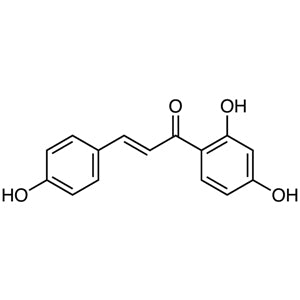
Isoliquiritigenin TCI I0822
Regular price From Rp 1.087.800,00Regular priceRp 775.950,00Sale price From Rp 1.087.800,00 -
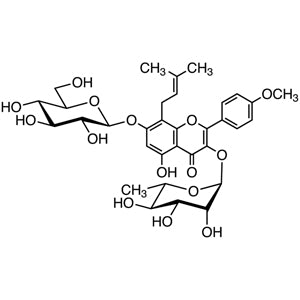
Icariin TCI I0862
Regular price From Rp 1.881.600,00Regular priceRp 1.331.400,00Sale price From Rp 1.881.600,00 -
Xanthohumol TCI X0068
Regular price Rp 13.302.450,00Regular priceRp 9.317.700,00Sale price Rp 13.302.450,00 -
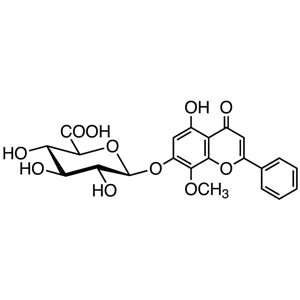
Wogonoside TCI W0012
Regular price From Rp 5.724.600,00Regular priceRp 4.018.350,00Sale price From Rp 5.724.600,00 -
Wogonin TCI W0010
Regular price From Rp 4.240.950,00Regular priceRp 2.980.950,00Sale price From Rp 4.240.950,00 -
PotengriffiosideA TCI T4196
Regular price Rp 7.897.050,00Regular priceRp 5.537.700,00Sale price Rp 7.897.050,00 -
Tectochrysin TCI T4185
Regular price Rp 4.876.200,00Regular priceRp 3.425.100,00Sale price Rp 4.876.200,00