Pterostilbene from TCI (product code P1924, CAS 537-42-8) is a naturally occurring stilbenoid. Structurally, it is the dimethyl ether derivative of resveratrol, with two methoxy groups and one hydroxyl group on the stilbene backbone. It occurs naturally in blueberries and in the wood of Pterocarpus species. Life science, pharmacology and natural product chemistry laboratories use it as a reference standard and as a test compound to study antioxidant activity, anti-inflammatory activity and the wider biological effects of polyphenols.
Researchers choose pterostilbene because it behaves differently from resveratrol. Its two methoxy groups make it more lipophilic, so it passes through cell membranes more easily. Many studies have also reported that it is more metabolically stable than resveratrol. Because of these differences, pterostilbene is often used as a direct comparison compound in structure-activity relationship research on stilbenoids. It dissolves well in organic solvents such as DMSO and ethanol, so stock solutions for cell-based and enzyme assays are easy to prepare at the concentrations each experiment needs.
Indonesia has very rich biodiversity, and research on polyphenols from local plants keeps growing. University laboratories, pharmacology research groups and natural product chemistry teams in Indonesia use pterostilbene as a well-defined benchmark when they evaluate extracts and compounds isolated from native plants. As a known stilbenoid with documented biological activity, it gives a consistent reference point. Researchers can compare antioxidant, anti-inflammatory and cellular effects against it in screening programmes, thesis projects and collaborative studies.
TCI brochures (PDF)
- Antioxidants for Research and Experimental Use 2026-07-29 · p. 2
- Traditional Medicine/Crude Medicine Research Reagents 2024-09-11 · p. 2
- Polyphenols 2024-12-05 · p. 1
- Plant Research Reagents 2026-02-24 · p. 9
- Phytochemicals 2025-12-17 · p. 10
- Reagents for Biological Research 2025-03-11 · p. 41
- Antioxidant activity studies: pterostilbene serves as a well-characterised polyphenol reference, so researchers can compare the radical-scavenging performance of new extracts or compounds against a known stilbenoid.
- Anti-inflammatory research: it is a test compound for studying inflammatory pathways in cell models, and its lipophilic character helps it enter cells during in vitro experiments.
- Structure-activity relationship studies of stilbenoids: its methoxy groups set it apart from resveratrol, making it a useful direct comparator for showing how methylation affects biological activity.
- Natural product chemistry and phytochemical screening: it acts as a reference standard when analysing plant materials such as blueberries or Pterocarpus wood, or when characterising stilbenoids from Indonesian plants.
- Cell-based and enzyme assays: it dissolves well in DMSO and ethanol, so researchers can make stock solutions easily and dilute them reproducibly across concentration ranges.
From the TCI brochure
- Antioxidant
- Antitumor
| Brand | TCI (product code P1924) |
|---|---|
| CAS number | 537-42-8 |
| Molecular formula | — |
| Purity | — |
| Category | Life Science > Biochemicals and Reagents > Phenylpropanoids, Aromatic Polyketides |
| Pack sizes | please contact AMI Scientific for available pack sizes |
| Physical form | — |
| Storage | follow the conditions on the TCI label and product documentation |
- Solubility: soluble in organic solvents such as DMSO and ethanol
Data from the TCI brochure
| Ukuran kemasan | 100mg / 1g |
|---|
Source: TCI brochure LL011 (2024-12-05)
Keep pterostilbene in its original, tightly closed container in a cool, dry place away from direct light and moisture. Always follow the storage conditions on the TCI label. Prepare stock solutions in DMSO or ethanol and store them in clean, well-sealed, labelled vials, preferably split into small aliquots so the material is not repeatedly exposed to air. Follow standard laboratory practice: wear gloves, safety glasses and a lab coat; weigh the powder in a well-ventilated area; avoid inhaling dust or letting it touch your skin; and read the Safety Data Sheet before use.
—
Produk Terkait
-
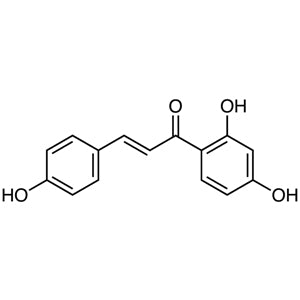
Isoliquiritigenin TCI I0822
Regular price From Rp 1.087.800,00Regular priceRp 775.950,00Sale price From Rp 1.087.800,00 -
Tetrahydrocurcumin TCI T3587
Regular price From Rp 2.439.150,00Regular priceRp 1.720.950,00Sale price From Rp 2.439.150,00 -
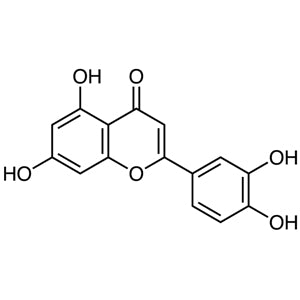
3',4',5,7-Tetrahydroxyflavone TCI T2682
Regular price From Rp 1.618.050,00Regular priceRp 1.146.600,00Sale price From Rp 1.618.050,00 -
Butein TCI B3803
Regular price From Rp 3.100.650,00Regular priceRp 2.184.000,00Sale price From Rp 3.100.650,00 -
Silybin(mixtureofSilybinAandSilybinB) TCI S0508
Regular price From Rp 2.279.550,00Regular priceRp 1.609.650,00Sale price From Rp 2.279.550,00 -
Rhapontigenin TCI R0089
Regular price Rp 6.836.550,00Regular priceRp 4.796.400,00Sale price Rp 6.836.550,00 -
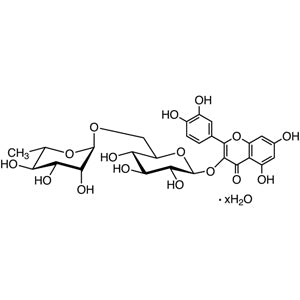
RutinHydrate TCI R0035
Regular price Rp 1.431.150,00Regular priceRp 1.016.400,00Sale price Rp 1.431.150,00 -
Phloretin TCI P1966
Regular price From Rp 1.696.800,00Regular priceRp 1.202.250,00Sale price From Rp 1.696.800,00