Rhapontigenin is a chemical compound classified under phenylpropanoids and aromatic polyketides, commonly used in biochemical research. It plays a crucial role in laboratory studies focused on biological activity and the mechanisms of natural compounds. As a flavonoid, it possesses a complex molecular structure, making it valuable for chemical and pharmacological analysis. Its versatility allows it to be used as a starting material for the synthesis of other compounds or as a control in assays evaluating antioxidant, anti-inflammatory, and anticancer properties.
Rhapontigenin is preferred due to its chemical stability under specific conditions and its sensitivity to light and oxidation. These properties make it suitable for a wide range of experimental applications. Its molecular complexity enables it to interact with various proteins and enzymes, enhancing its relevance in biomedical research. The availability in pure form and small pack sizes, such as 100 mg, ensures ease of use in diverse laboratory experiments.
In Indonesian laboratories, Rhapontigenin is widely utilized in health, environmental, and agricultural research. It is a popular choice for studies related to natural product development, drug discovery, and bioactive compound analysis. Its role in understanding the biological effects of plant-derived compounds makes it an essential tool for researchers in Indonesia.
TCI brochures (PDF)
- Antioxidants for Research and Experimental Use 2026-07-29 · p. 2
- Polyphenols 2024-12-05 · p. 1
- Phytochemicals 2025-12-17 · p. 10
- Reagents for Biological Research 2025-03-11 · p. 41
- Antioxidant Activity Testing - Rhapontigenin is used to evaluate the antioxidant potential of natural compounds due to its chemical stability and ability to neutralize free radicals.
- Anti-inflammatory Research - It serves as a control in assays assessing the anti-inflammatory effects of plant extracts and synthetic compounds.
- Cancer Cell Studies - Rhapontigenin is employed in experiments investigating its potential to inhibit cancer cell growth and induce apoptosis.
- Phytochemical Analysis - Its complex molecular structure makes it ideal for studying the chemical composition and biological activity of plant-derived compounds.
- Environmental Toxicology - It is used to assess the impact of natural compounds on environmental systems and their potential for bioremediation.
| Brand | TCI |
|---|---|
| CAS number | 500-65-2 |
| Molecular formula | — |
| Purity | — |
| Category | Life Science > Biochemicals and Reagents > Phenylpropanoids, Aromatic Polyketides |
| Pack sizes | 100 mg |
| Physical form | Powder |
| Storage | Keep in a cool, dark place away from light and moisture |
Rhapontigenin should be stored in a cool, dark environment to prevent degradation due to light and oxidation. It is recommended to use airtight containers to maintain its chemical stability and prevent contamination. When handling, it is important to use appropriate personal protective equipment, such as gloves and safety goggles, to ensure laboratory safety. The compound is sensitive to environmental factors, so it should be kept away from heat and direct sunlight. Proper storage conditions help preserve its integrity and effectiveness for research applications. Always follow standard laboratory safety protocols when working with this compound.
—
Product Categories
Produk Terkait
-
Isorhapontigenin TCI I0804
Regular price Rp 4.796.400,00Regular priceRp 3.369.450,00Sale price Rp 4.796.400,00 -
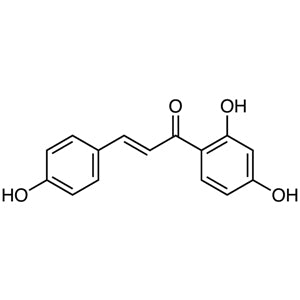
Isoliquiritigenin TCI I0822
Regular price From Rp 1.087.800,00Regular priceRp 775.950,00Sale price From Rp 1.087.800,00 -
Tetrahydrocurcumin TCI T3587
Regular price From Rp 2.439.150,00Regular priceRp 1.720.950,00Sale price From Rp 2.439.150,00 -
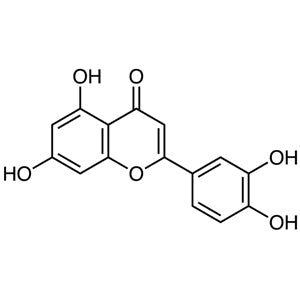
3',4',5,7-Tetrahydroxyflavone TCI T2682
Regular price From Rp 1.618.050,00Regular priceRp 1.146.600,00Sale price From Rp 1.618.050,00 -
Butein TCI B3803
Regular price From Rp 3.100.650,00Regular priceRp 2.184.000,00Sale price From Rp 3.100.650,00 -
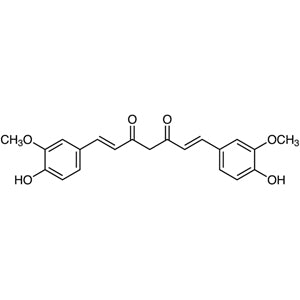
Curcumin(Synthetic) TCI C2302
Regular price From Rp 1.246.350,00Regular priceRp 887.250,00Sale price From Rp 1.246.350,00 -
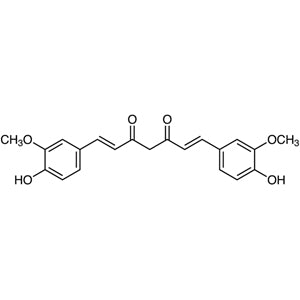
Curcumin(Natural) TCI C0434
Regular price From Rp 637.350,00Regular priceRp 445.200,00Sale price From Rp 637.350,00 -
Silybin(mixtureofSilybinAandSilybinB) TCI S0508
Regular price From Rp 2.279.550,00Regular priceRp 1.609.650,00Sale price From Rp 2.279.550,00