6(5H)-Phenanthridinone is a tricyclic heterocyclic compound that contains a lactam, or cyclic amide, fused into a phenanthridine framework. TCI lists it as a heterocyclic building block. In the laboratory it is best known as one of the classic inhibitors of poly(ADP-ribose) polymerase (PARP). It is also used as a core scaffold for synthesizing bioactive compounds and alkaloids. Because it serves both purposes, it is useful to biochemical researchers and to synthetic chemists.
Researchers choose this compound for its planar, rigid structure. Its lactam group mimics the nicotinamide portion of NAD⁺, and this resemblance lets it bind to the catalytic site of PARP. That property made it one of the early pharmacological tools in studies of DNA repair and cell death. For synthesis, the phenanthridinone framework forms the core of many natural alkaloids and drug candidates. The lactam nitrogen atom can also be functionalized further, so chemists can build more complex derivatives from it. The 1 g and 5 g pack sizes suit both biological research and synthetic work.
In Indonesia, 6(5H)-phenanthridinone is useful for molecular biology and biochemistry laboratories that study DNA damage, oxidative stress, and cell death mechanisms. University research groups, pharmaceutical research teams, and organic synthesis laboratories can use it as a reference PARP inhibitor in mechanistic experiments. They can also use it as a starting scaffold when preparing heterocyclic derivatives and alkaloid analogues for medicinal chemistry programs.
- PARP inhibition studies: its lactam group mimics the nicotinamide portion of NAD⁺, so it binds the PARP catalytic site and works well as a classic reference inhibitor.
- DNA repair research: as an early pharmacological tool for blocking PARP activity, it helps researchers examine how cells respond to and repair DNA damage.
- Cell death and oxidative stress experiments: biochemistry and molecular biology laboratories use it to study how PARP activity relates to cell death under oxidative stress.
- Alkaloid and natural product synthesis: the phenanthridinone framework is the core of many natural alkaloids, which makes the compound a practical starting scaffold for synthetic routes.
- Medicinal chemistry derivatization: the lactam nitrogen atom can be functionalized further, so chemists can prepare new heterocyclic analogues and drug candidates from this rigid, planar building block.
| Brand | TCI (product code P1998) |
|---|---|
| CAS number | 1015-89-0 |
| Molecular formula | — |
| Purity | — |
| Category | Chemistry > Building Blocks > Heterocyclic Building Blocks |
| Pack sizes | 1 g and 5 g |
| Physical form | refer to the TCI product specification and certificate of analysis |
| Storage | follow the conditions stated on the TCI label and safety data sheet |
Store 6(5H)-phenanthridinone in its original, tightly closed container. Keep it in a cool, dry, well-ventilated place away from direct sunlight, heat sources, and incompatible materials such as strong oxidizing agents. Always follow the storage conditions on the TCI label and safety data sheet. Handle the compound in a fume hood or another well-ventilated area, and avoid creating or breathing in dust. Wear suitable personal protective equipment, including a lab coat, chemical-resistant gloves, and safety glasses. Do not let it touch your skin or eyes, and wash your hands thoroughly after handling. Label working solutions clearly, and dispose of waste according to institutional and local chemical waste regulations.
—
Product Categories
Produk Terkait
-
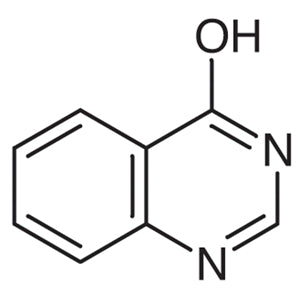
4-Hydroxyquinazoline TCI H0803
Regular price From Rp 822.150,00Regular priceRp 590.100,00Sale price From Rp 822.150,00 -
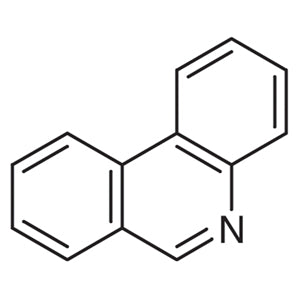
Phenanthridine TCI P1047
Regular price Rp 3.843.000,00Regular priceRp 2.702.700,00Sale price Rp 3.843.000,00 -
Theophylline-7-aceticAcid TCI T2941
Regular price Rp 1.087.800,00Regular priceRp 775.950,00Sale price Rp 1.087.800,00 -
O~6~-Benzylguanine TCI B4208
Regular price From Rp 1.220.100,00Regular priceRp 868.350,00Sale price From Rp 1.220.100,00 -
Butein TCI B3803
Regular price From Rp 3.100.650,00Regular priceRp 2.184.000,00Sale price From Rp 3.100.650,00 -
3-Aminobenzamide TCI A0630
Regular price From Rp 2.702.700,00Regular priceRp 1.905.750,00Sale price From Rp 2.702.700,00 -
Theobromine TCI T0178
Regular price From Rp 1.272.600,00Regular priceRp 905.100,00Sale price From Rp 1.272.600,00 -
Pimobendan TCI P2779
Regular price From Rp 2.862.300,00Regular priceRp 2.017.050,00Sale price From Rp 2.862.300,00