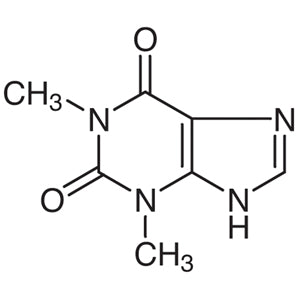
Theobromine is a chemical compound classified as an alkaloid, primarily found in cocoa beans and coffee leaves. It plays a crucial role in chemical laboratories, serving as a fundamental building block for the synthesis of complex compounds and the study of pharmacological activities. Its presence in products like chocolate and caffeinated beverages makes it a key component in scientific research related to neuropharmacology and human physiology. In the laboratory, theobromine is widely used for constructing complex heterocyclic molecules, which are essential in various chemical and pharmaceutical applications.
Theobromine is valued for its stable chemical structure and moderate reactivity, making it highly suitable for chemical modifications through specific reactions. It is a white, solid compound with good solubility in organic solvents, which enhances its versatility in experimental setups. These properties make it a preferred choice for researchers seeking reliable and consistent results in synthetic processes. Its chemical stability and reactivity allow for precise manipulation in laboratory settings, supporting a wide range of scientific investigations.
In Indonesian laboratories, theobromine is commonly used for research purposes, particularly in the fields of organic chemistry and pharmaceutical development. Its availability in various packaging options ensures ease of use for both small-scale and larger laboratory operations. Theobromine's role in scientific studies continues to expand, supporting advancements in drug discovery and biochemical research in the region.
TCI brochures (PDF)
- Traditional Medicine/Crude Medicine Research Reagents 2024-09-11 · p. 1
- Alkaloids 2025-10-10 · p. 7
- Plant Research Reagents 2026-02-24 · p. 8
- Phytochemicals 2025-12-17 · p. 4
- Pharmaceutical Ingredients for Research and Experimental Use 2026-03-09 · p. 48
- Theobromine is used in the synthesis of complex heterocyclic compounds due to its stable chemical structure and reactivity, making it ideal for organic chemistry experiments.
- It supports pharmacological research by enabling the study of its effects on neural pathways and physiological functions, aiding in neuropharmacology studies.
- Theobromine is applied in the development of pharmaceutical products, as it serves as a precursor for compounds with therapeutic potential in drug formulation.
- Its solubility in organic solvents makes it suitable for analytical chemistry applications, where precise dissolution is required for testing and characterization.
- Theobromine is utilized in biochemical research to investigate its interactions with biological systems, contributing to the understanding of metabolic processes and enzyme activity.
| Brand | TCI |
|---|---|
| CAS number | 83-67-0 |
| Molecular formula | — |
| Purity | — |
| Category | Chemistry > Building Blocks > Heterocyclic Building Blocks |
| Pack sizes | Available in various packaging options for laboratory use |
| Physical form | Solid |
| Storage | Store in a cool, dry place away from moisture and light |
Theobromine should be stored in a cool, dry environment, away from moisture and direct sunlight to maintain its chemical stability. It is recommended to use airtight containers to prevent exposure to air and humidity, which could affect its purity and reactivity. In laboratory settings, proper ventilation is essential when handling the compound to ensure safe working conditions. Theobromine is non-hazardous under normal conditions but should be handled with care to avoid contamination. It is important to follow standard laboratory safety protocols, including the use of personal protective equipment, to minimize any potential risks during experimentation.
—
Product Categories
- Biochemicals and ReagentsAlkaloidsPurine Alkaloids
- Biochemicals and ReagentsCrude Medicine Ingredients for Research and Experimental Use
- Biochemicals and ReagentsEnzymes, Enzyme Inhibitors, Enzyme SubstratesEnzyme Inhibitors [Biochemicals and Reagents]
- Biochemicals and ReagentsPharmaceutical Research Reagents (for Experimental Use)Pharmaceutical Research Reagents (Others)
- Cell BiologyNutrition ResearchPhytochemicals
- MicrobiologyEfflux Pump ResearchEfflux Pump Inhibitors
- Pharmaceutical Development and Drug Discovery ResearchPharmaceutical Research Reagents (for Experimental Use)Pharmaceutical Research Reagents (Others)
- Pharmaceutical Development and Drug Discovery ResearchCrude Medicine Ingredients for Research and Experimental Use
Produk Terkait
-
Theophylline TCI T0179
Regular price From Rp 557.550,00Regular priceRp 405.300,00Sale price From Rp 557.550,00 -
Theophylline-7-aceticAcid TCI T2941
Regular price Rp 1.087.800,00Regular priceRp 775.950,00Sale price Rp 1.087.800,00 -
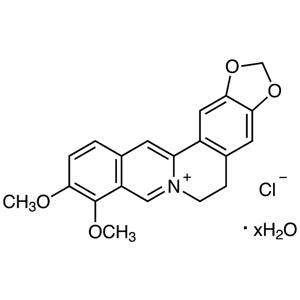
BerberineChlorideHydrate TCI B0450
Regular price From Rp 557.550,00Regular priceRp 405.300,00Sale price From Rp 557.550,00 -
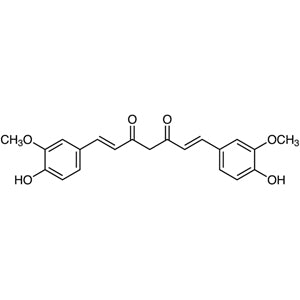
Curcumin(Synthetic) TCI C2302
Regular price From Rp 1.246.350,00Regular priceRp 887.250,00Sale price From Rp 1.246.350,00 -
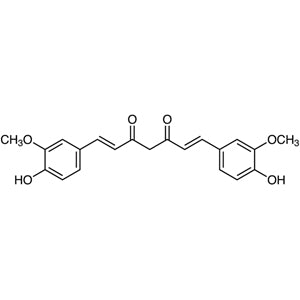
Curcumin(Natural) TCI C0434
Regular price From Rp 637.350,00Regular priceRp 445.200,00Sale price From Rp 637.350,00 -
3',4',5,7-Tetrahydroxyflavone TCI T2682
Regular price From Rp 1.618.050,00Regular priceRp 1.146.600,00Sale price From Rp 1.618.050,00 -
Harmine TCI H0001
Regular price Rp 1.934.100,00Regular priceRp 1.368.150,00Sale price Rp 1.934.100,00 -
Digoxin TCI D1828
Regular price From Rp 1.113.000,00Regular priceRp 793.800,00Sale price From Rp 1.113.000,00