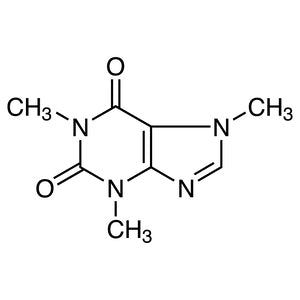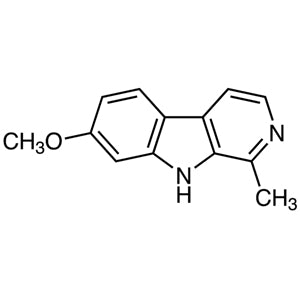
Harmine is a chemical compound classified under the heterocyclic category, playing a crucial role in various laboratory reactions. As a building block in organic chemistry, it serves as a foundational material for the synthesis of complex molecules. Its aromatic structure contributes to its versatility in chemical reactions, making it an essential component in the development of new compounds. Harmine is widely used in research settings where precision and controlled conditions are required, particularly in the synthesis of bioactive compounds. Its chemical stability allows for reliable results in experimental processes, making it a valuable asset in modern laboratories.
Harmine is preferred due to its chemical stability and the complexity of its molecular structure. It is highly sensitive to environmental factors such as moisture and light, which necessitates careful handling and storage. These characteristics make it suitable for applications that demand high accuracy and reproducibility. The compound’s ability to act as a precursor for alkaloid synthesis further enhances its utility in pharmaceutical and biochemical research. Its role in creating bioactive compounds underscores its importance in both academic and industrial research environments.
In Indonesian laboratories, Harmine is commonly used in organic chemistry and biochemistry research. It is particularly relevant in the study of heterocyclic compounds and the development of new pharmaceuticals. Its application in scientific research highlights its significance as a key reagent in the pursuit of innovative chemical solutions. The compound is frequently utilized in academic and industrial settings where the synthesis of complex organic molecules is required.
TCI brochures (PDF)
- Alkaloids 2025-10-10 · p. 6
- Phytochemicals 2025-12-17 · p. 3
- Organic synthesis of heterocyclic compounds due to its aromatic structure and reactivity.
- Development of bioactive compounds, including alkaloids, for pharmaceutical research.
- Investigation of pharmacological activities in drug discovery and development.
- Synthesis of complex organic molecules requiring precise control of reaction conditions.
- Research in biochemical pathways involving alkaloid-based compounds and their derivatives.
| Brand | TCI |
|---|---|
| CAS number | 442-51-3 |
| Molecular formula | — |
| Purity | — |
| Category | Chemistry > Building Blocks > Heterocyclic Building Blocks |
| Pack sizes | Available in standard laboratory quantities |
| Physical form | Solid powder |
| Storage | Requires protection from moisture and light |
Harmine should be stored in a cool, dry place away from direct sunlight and sources of moisture. It is recommended to use airtight containers made of glass or high-density polyethylene to prevent degradation. Due to its sensitivity to environmental factors, it is essential to maintain controlled storage conditions to preserve its chemical integrity. Laboratory personnel should handle Harmine with care, using appropriate personal protective equipment. The compound should be kept in a secure location to prevent accidental exposure. Proper storage ensures the compound remains effective for use in research applications.
—
Product Categories
Produk Terkait
-
HarmineHydrochloride TCI H0002
Regular price From Rp 795.900,00Regular price -
Theobromine TCI T0178
Regular price From Rp 1.220.100,00Regular price -
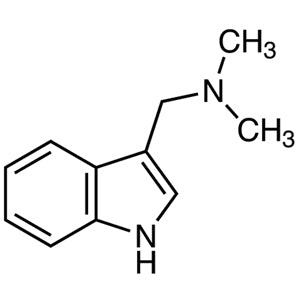
Gramine TCI D0653
Regular price From Rp 743.400,00Regular price -
Theophylline-7-aceticAcid TCI T2941
Regular price Rp 1.035.300,00Regular price -
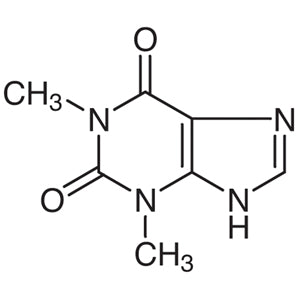
Theophylline TCI T0179
Regular price From Rp 505.050,00Regular price -
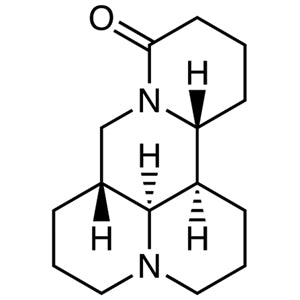
Sophoridine TCI M3093
Regular price From Rp 1.405.950,00Regular price -
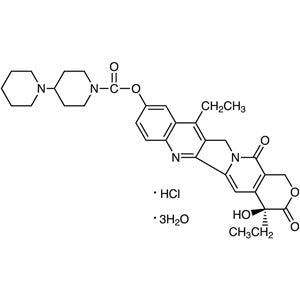
IrinotecanHydrochlorideTrihydrate TCI I0714
Regular price Rp 6.811.350,00Regular price -
Caffeine TCI C2042
Regular price From Rp 477.750,00Regular price