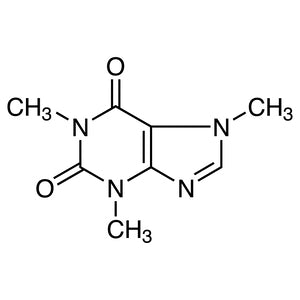
Caffeine, with CAS number 58-08-2, is a well-known alkaloid widely used in scientific experiments. As a fundamental compound in the field of biochemistry, caffeine plays a crucial role in various laboratory applications. Its complex chemical structure and pharmacological properties make it a valuable tool for researchers. In the laboratory, caffeine is often used as a starting material for the synthesis of other compounds or as a control substance in biological activity assays. Its presence in natural products such as coffee, tea, and soft drinks also makes it a familiar compound for study and analysis.
Caffeine is favored for its chemical stability and resistance to heat, which simplifies storage and handling in laboratory settings. It dissolves well in organic solvents like ethyl acetate and ethanol, making it suitable for separation and analytical procedures. These properties contribute to its popularity in both chemical and biochemical experiments. Additionally, caffeine is non-toxic and readily available, making it a practical choice for a wide range of research applications. Its versatility and reliability have established it as a staple in many scientific laboratories.
In Indonesian laboratories, caffeine is particularly relevant in pharmaceutical, biochemical, and environmental research. It is frequently used in studies related to drug development, metabolic processes, and environmental contamination. Its presence in both natural and synthetic forms allows for diverse experimental approaches, supporting a broad spectrum of scientific inquiry.
- Pharmaceutical Research: Caffeine is used to study its effects on human physiology and its role in drug formulations.
- Biochemical Analysis: It serves as a standard compound for chromatographic and spectroscopic analysis.
- Environmental Toxicology: Caffeine is used to assess the presence and impact of contaminants in water and soil samples.
- Neuroscience Studies: It is employed to investigate its effects on central nervous system activity in experimental models.
- Metabolic Studies: Caffeine is used to study its metabolism and excretion in biological systems, aiding in understanding drug kinetics.
| Brand | TCI |
|---|---|
| CAS number | 58-08-2 |
| Molecular formula | — |
| Purity | — |
| Category | Life Science > Biochemicals and Reagents > Alkaloids |
| Pack sizes | Available in various quantities as per standard laboratory requirements |
| Physical form | Crystalline solid |
| Storage | Store in a cool, dry place away from light and moisture |
Caffeine should be stored in a cool, dry environment, away from direct sunlight and moisture to maintain its chemical integrity. It is recommended to use airtight containers made of glass or high-density polyethylene to prevent contamination and degradation. Due to its solubility in organic solvents, it is important to ensure that storage containers are sealed properly. In laboratory settings, caffeine should be handled with standard safety precautions, including the use of gloves and appropriate ventilation. Its non-toxic nature allows for relatively safe handling, but care should still be taken to avoid inhalation or ingestion. Proper storage and handling ensure the longevity and reliability of caffeine in experimental applications.
—
Produk Terkait
-
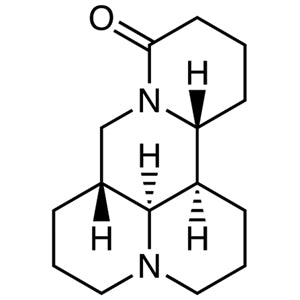
Sophoridine TCI M3093
Regular price From Rp 1.405.950,00Regular price -
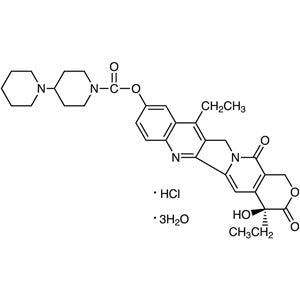
IrinotecanHydrochlorideTrihydrate TCI I0714
Regular price Rp 6.811.350,00Regular price -
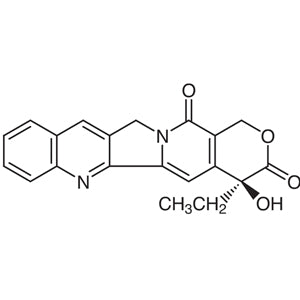
(S)-(+)-Camptothecin TCI C1495
Regular price From Rp 717.150,00Regular price -
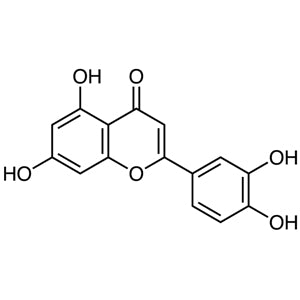
3',4',5,7-Tetrahydroxyflavone TCI T2682
Regular price From Rp 1.565.550,00Regular price -
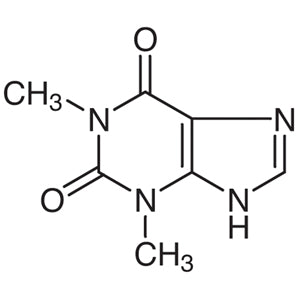
Theophylline TCI T0179
Regular price From Rp 505.050,00Regular price -
Theobromine TCI T0178
Regular price From Rp 1.220.100,00Regular price -
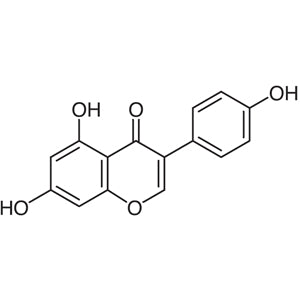
Genistein TCI G0272
Regular price From Rp 1.644.300,00Regular price -
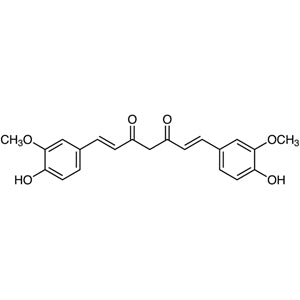
Curcumin(Synthetic) TCI C2302
Regular price From Rp 1.193.850,00Regular price