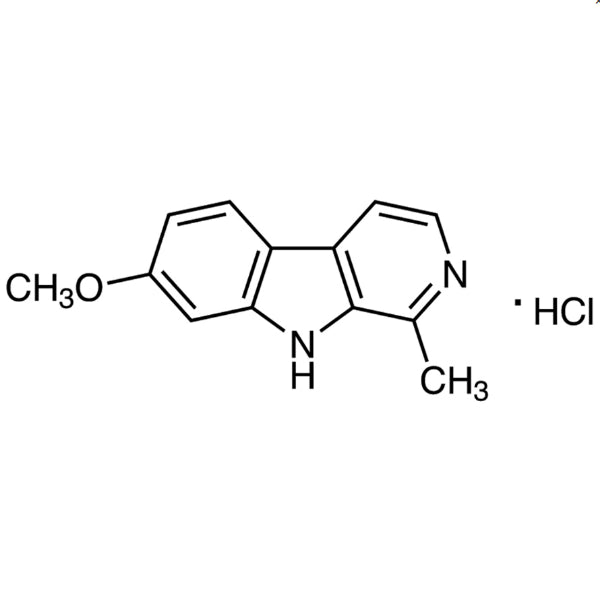
Harmine Hydrochloride is a chemical compound classified under the alkaloid category, widely used in scientific experiments, particularly in biochemistry and life sciences. This compound plays a crucial role in laboratory research by enabling the study of alkaloid mechanisms within biological systems. Its complex chemical structure allows it to interact with various proteins and enzymes, making it an essential tool for understanding biochemical pathways and physiological processes. In research settings, Harmine Hydrochloride is often employed to investigate the effects of alkaloids on human and animal cells, contributing to advancements in pharmacology and molecular biology.
Harmine Hydrochloride is preferred due to its chemical stability under specific conditions, which facilitates long-term storage and consistent performance in experiments. Its good solubility in organic solvents enhances its usability across a range of experimental protocols. Additionally, its low toxicity at low doses makes it a safe option for scientific research, reducing potential risks for laboratory personnel. These properties collectively make it a reliable and versatile reagent for both academic and industrial research applications.
In Indonesian laboratories, Harmine Hydrochloride is commonly used by researchers in various institutions to support studies in biochemistry, pharmacology, and molecular biology. It is a key component in drug development and biochemical analysis, contributing to the advancement of scientific knowledge in the region. Its availability and reliability make it a standard reagent in many research laboratories across Indonesia.
TCI brochures (PDF)
- Alkaloids 2025-10-10 · p. 6
- Biochemical Research – Harmine Hydrochloride is ideal for studying alkaloid interactions with proteins and enzymes, aiding in the understanding of biological mechanisms.
- Pharmacological Studies – It is used to investigate the pharmacological effects of alkaloids on human and animal cells, supporting drug development efforts.
- Molecular Biology Experiments – Its ability to interact with biological systems makes it suitable for molecular-level investigations and pathway analysis.
- Drug Development – Harmine Hydrochloride serves as a key reagent in the formulation and testing of pharmaceutical compounds with specific therapeutic effects.
- Analytical Chemistry – Its solubility and chemical stability make it useful in analytical procedures requiring precise chemical interactions and measurements.
| Brand | TCI |
|---|---|
| CAS number | 343-27-1 |
| Molecular formula | — |
| Purity | — |
| Category | Life Science > Biochemicals and Reagents > Alkaloids |
| Pack sizes | Available in various quantities as per supplier specifications |
| Physical form | Solid powder |
| Storage | Store in a cool, dry place away from moisture and direct sunlight |
Harmine Hydrochloride should be stored in a cool, dry environment to maintain its chemical stability and prevent degradation. It is recommended to keep the compound in a tightly sealed container to avoid exposure to moisture and air, which can affect its integrity. Laboratory personnel should handle the compound with care, using appropriate personal protective equipment such as gloves and safety goggles to ensure safety. Since it is non-toxic at low doses, it is generally safe to handle, but standard laboratory precautions should still be followed to prevent any potential contamination or mishandling. Proper labeling of storage containers is essential to ensure safe and efficient access during experiments.
—
Produk Terkait
-
Harmine TCI H0001
Regular price Rp 1.881.600,00Regular price -
Harmol TCI H1360
Regular price From Rp 3.710.700,00Regular price -
Tryptanthrin TCI T4129
Regular price From Rp 2.121.000,00Regular price -
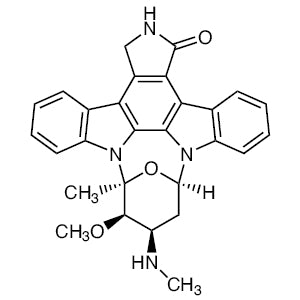
Staurosporine TCI T4000
Regular price Rp 3.738.000,00Regular price -
Theophylline-7-aceticAcid TCI T2941
Regular price Rp 1.035.300,00Regular price -
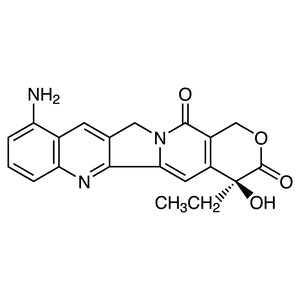
9-Aminocamptothecin TCI A2063
Regular price Rp 8.082.900,00Regular price -
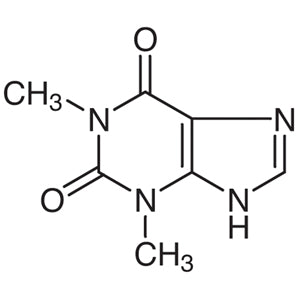
Theophylline TCI T0179
Regular price From Rp 505.050,00Regular price -
Theobromine TCI T0178
Regular price From Rp 1.220.100,00Regular price