Pentoxifylline is a chemical compound widely used in pharmacological and biochemical research. It plays a crucial role in laboratories where the study of pharmacological effects and biochemical interactions is essential. This compound is commonly employed in experimental settings to investigate the behavior of specific substances, particularly in drug testing and medical therapy development. Its presence in research environments allows scientists to explore the mechanisms of active compounds within the human body.
Pentoxifylline is valued for its chemical stability and solubility in organic solvents such as ethanol and acetone. These properties make it a versatile reagent suitable for various laboratory applications, including enzyme activity analysis, cellular response studies, and toxicity testing. Its reactivity and compatibility with different experimental conditions contribute to its popularity among researchers. The compound’s ability to participate in a wide range of chemical reactions further enhances its utility in both basic and applied research.
In Indonesian laboratories, Pentoxifylline is extensively used in pharmacology and biochemical research. It is frequently found in academic and research institutions where experimental studies are conducted. Its role in understanding drug mechanisms and biological responses makes it an essential component in the toolkit of many researchers. The compound’s reliability and effectiveness have solidified its position as a preferred choice in various scientific investigations.
TCI brochures (PDF)
- Pharmaceutical Ingredients for Research and Experimental Use 2026-03-09 · p. 47
- Pharmacological research utilizes Pentoxifylline to study drug mechanisms and therapeutic effects in experimental models.
- Biochemical experiments often employ this compound to analyze enzyme activity and metabolic pathways in cellular systems.
- Toxicity testing benefits from Pentoxifylline’s ability to assess the impact of chemical substances on biological tissues.
- Cellular response studies rely on its properties to evaluate how cells react to various stimuli in controlled environments.
- Quantitative analysis in research settings uses Pentoxifylline as a standard for accurate and reproducible results.
| Brand | TCI |
|---|---|
| CAS number | 6493-05-6 |
| Molecular formula | — |
| Purity | — |
| Category | Pharmaceutical Research Reagents |
| Pack sizes | As available |
| Physical form | Powder |
| Storage | Store in a cool, dry place away from light |
Pentoxifylline should be stored in a cool, dry place, away from direct sunlight and sources of heat. It is recommended to keep the compound in a sealed container to prevent moisture absorption and contamination. When handling, it is important to use appropriate personal protective equipment such as gloves and safety goggles to ensure laboratory safety. Due to its chemical properties, it should be stored separately from incompatible substances to avoid any potential reactions. Regular inspection of storage conditions is advised to maintain the integrity of the compound. Proper labeling of containers is essential for safe handling and to prevent accidental exposure.
—
Product Categories
Produk Terkait
-
IvabradineHydrochloride TCI I0847
Regular price From Rp 4.664.100,00Regular priceRp 3.277.050,00Sale price From Rp 4.664.100,00 -
VerapamilHydrochloride TCI V0118
Regular price From Rp 1.618.050,00Regular priceRp 1.146.600,00Sale price From Rp 1.618.050,00 -
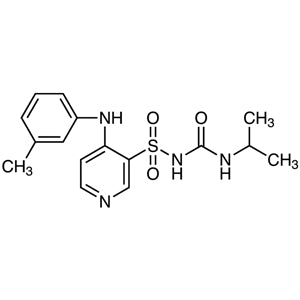
Torsemide TCI T2538
Regular price From Rp 1.696.800,00Regular priceRp 1.202.250,00Sale price From Rp 1.696.800,00 -
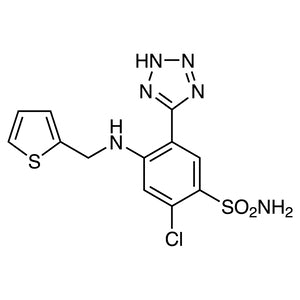
Azosemide TCI A3544
Regular price Rp 5.565.000,00Regular priceRp 3.907.050,00Sale price Rp 5.565.000,00 -
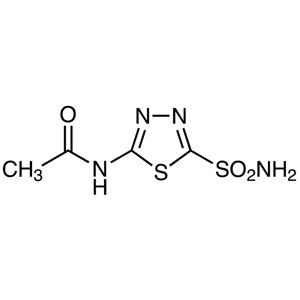
Acetazolamide TCI A2598
Regular price From Rp 2.730.000,00Regular priceRp 1.924.650,00Sale price From Rp 2.730.000,00 -
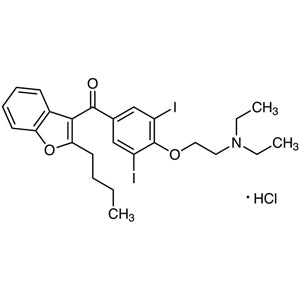
AmiodaroneHydrochloride TCI A2530
Regular price From Rp 1.538.250,00Regular priceRp 1.090.950,00Sale price From Rp 1.538.250,00 -
PropafenoneHydrochloride TCI P2301
Regular price Rp 1.881.600,00Regular priceRp 1.331.400,00Sale price Rp 1.881.600,00 -
PrazosinHydrochloride TCI P0938
Regular price From Rp 1.431.150,00Regular priceRp 1.016.400,00Sale price From Rp 1.431.150,00