Pentaerythritol Tetraacrylate (PET) is a key chemical compound widely used in materials science and polymer chemistry. As a monomer, PET plays a crucial role in the synthesis of thermoplastic polymers and composites, particularly in photopolymerization processes. Its versatility makes it an essential component in the development of materials with superior mechanical and thermal properties, such as epoxy resins, gels, and coatings. In laboratory settings, PET supports the creation of new materials, performance testing, and research in advanced material technologies.
PET is valued for its chemical stability and high reactivity, making it ideal for chemical reactions that require stability under specific conditions. Its ability to form strong polymer structures and ease of synthesis further enhance its appeal in both academic and industrial research. The material also exhibits resistance to heat and moisture, which contributes to its reliability in various applications. These properties make PET a preferred choice for researchers seeking consistent and high-quality results.
In Indonesian laboratories, PET is commonly used in chemical research, industrial product development, and material performance testing. It supports local innovation by providing a reliable base for creating advanced materials. Its widespread use in both academic and applied research underscores its importance in the Indonesian scientific community.
TCI brochures (PDF)
- Biomaterials Research Reagents 2025-02-19 · p. 12
- Monomers 2025-05-28 · p. 9
Related TCI products
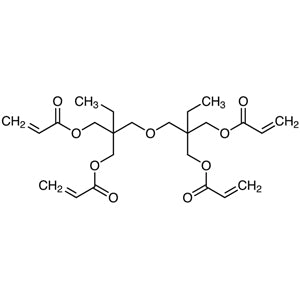
- TCI D5687 94108-97-1 Ditrimethylolpropane Tetraacrylate (stabilized with MEHQ)
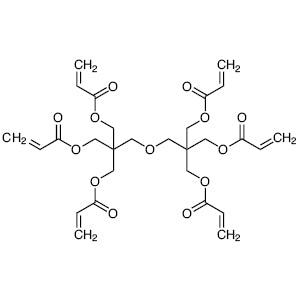
- TCI D5688 29570-58-9 Dipentaerythritol Hexaacrylate (stabilized with MEHQ)
- TCI E1650 433216-17-2 Ethoxlylated Diglycerin Tetraacrylate (k+l+m+n = ca. 4) (stabilized with MEHQ)
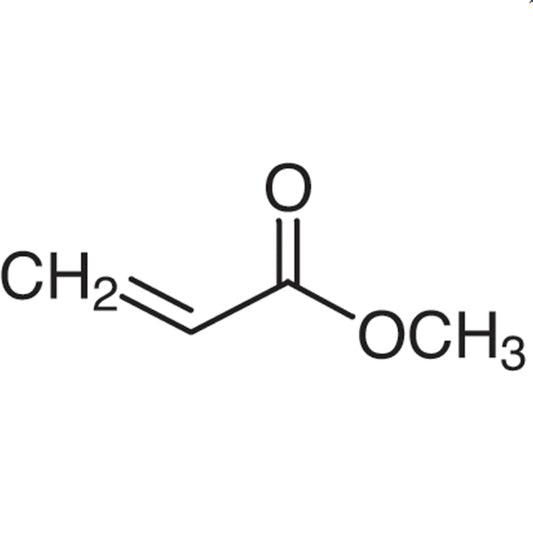
- TCI A0145 96-33-3 Methyl Acrylate (stabilized with MEHQ)
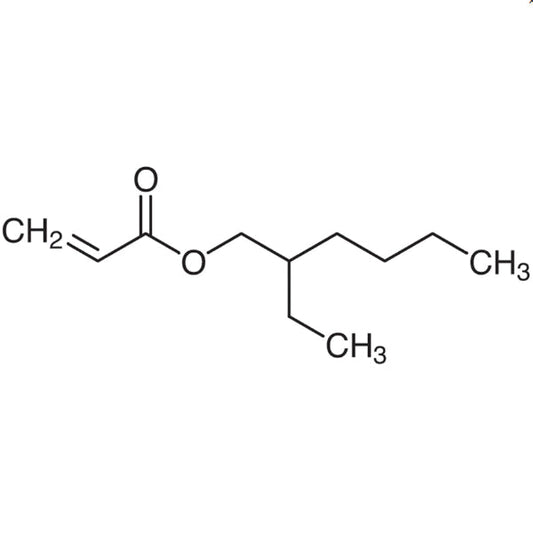
- TCI A0144 103-11-7 2-Ethylhexyl Acrylate Monomer (stabilized with MEHQ)
- TCI A0142 141-32-2 Butyl Acrylate (stabilized with MEHQ)
- Photopolymerization research due to its reactivity and ability to form cross-linked networks.
- Development of thermoplastic polymers and composite materials for industrial applications.
- Testing of mechanical and thermal properties of new material formulations.
- Preparation of epoxy resins and coatings with enhanced durability and performance.
- Material science studies focusing on polymer synthesis and structural integrity.
| Brand | TCI |
|---|---|
| CAS number | 4986-89-4 |
| Molecular formula | — |
| Purity | — |
| Category | Materials Science > Polymer/Macromolecule Reagents > Monomers |
| Pack sizes | Available in standard laboratory quantities |
| Physical form | Solid |
| Storage | Store in a cool, dry place away from light and heat sources. |
PET should be stored in a cool, dry environment, away from direct sunlight and heat sources to maintain its chemical stability. It is recommended to use airtight containers made of materials such as glass or high-density polyethylene to prevent contamination and moisture ingress. In a laboratory setting, it is important to handle PET with appropriate personal protective equipment, including gloves and safety goggles, to ensure safe handling. The material should be kept in a well-ventilated area to minimize exposure to vapors. Regular inspection of storage conditions is advised to ensure the integrity of the product remains unaffected.
—
Product Categories
Produk Terkait
-
DitrimethylolpropaneTetraacrylate(stabilizedwithMEHQ) TCI D5687
Regular price From Rp 1.273.650,00Regular price -
DipentaerythritolHexaacrylate(stabilizedwithMEHQ) TCI D5688
Regular price From Rp 1.035.300,00Regular price -
EthoxlylatedDiglycerinTetraacrylate(k+l+m+n=ca.4)(stabilizedwithMEHQ) TCI E1650
Regular price From Rp 1.458.450,00Regular price -
MethylAcrylate(stabilizedwithMEHQ) TCI A0145
Regular price From Rp 477.750,00Regular price -
2-EthylhexylAcrylateMonomer(stabilizedwithMEHQ) TCI A0144
Regular price From Rp 505.050,00Regular price -
ButylAcrylate(stabilizedwithMEHQ) TCI A0142
Regular price From Rp 505.050,00Regular price -
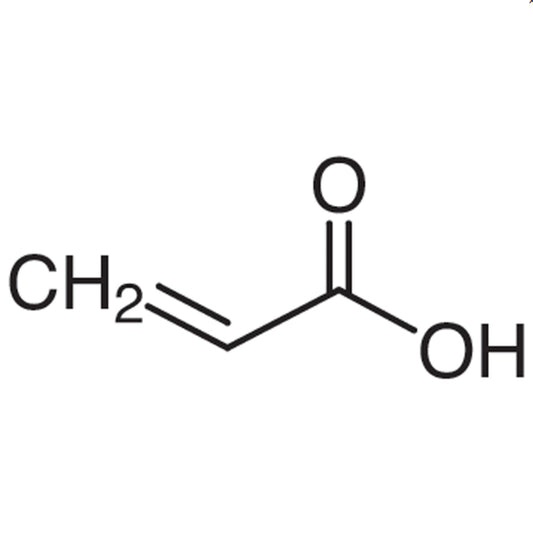
AcrylicAcid(stabilizedwithMEHQ) TCI A0141
Regular price From Rp 452.550,00Regular price -
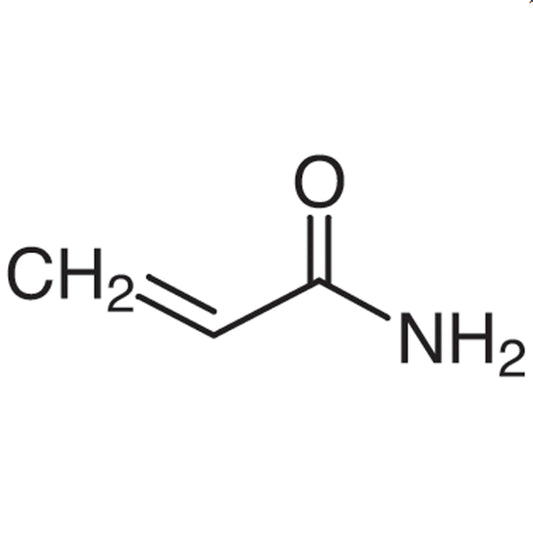
AcrylamideMonomer TCI A0139
Regular price From Rp 505.050,00Regular price