Pentafluorophenyl Acrylate (stabilized with MEHQ) is a specialized chemical compound used in polymer and macromolecule synthesis within laboratory settings. This reagent plays a crucial role in the development of polymers with tailored properties, such as mechanical strength and environmental resistance. Its unique chemical structure combines an acrylate group with a pentafluorophenyl group, making it highly reactive and suitable for controlled polymerization processes. Due to its reactivity, it is often employed in research that requires precise chemical reactions and stable material formation.
The compound's reactivity is further enhanced by its stabilization with MEHQ (methyl ethyl glycol), which significantly improves its shelf life and reduces the risk of degradation during storage. This stabilization ensures that the material remains consistent and reliable for use in various scientific applications. The combination of reactivity and stability makes it a preferred choice for researchers working in organic chemistry and material science. Its ability to maintain chemical integrity over time supports long-term research projects and experimental consistency.
In Indonesian laboratories, Pentafluorophenyl Acrylate is widely used in scientific research, particularly in the fields of organic chemistry and material development. Researchers frequently utilize this compound for the creation of new materials, such as conductive polymers and composite materials, which have broad applications in industry and technology. Its versatility and reliability make it an essential tool for advancing chemical and material science research in Indonesia.
TCI brochures (PDF)
- Biomaterials Research Reagents 2025-02-19 · p. 9
- Fluorination Reagents, Fluorinated Building Blocks 2026-03-18 · p. 36
Related TCI products
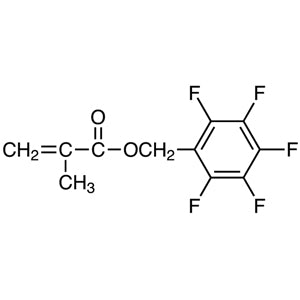
- TCI P2546 114859-23-3 Pentafluorobenzyl Methacrylate (stabilized with BHT)
- TCI P2289 13642-97-2 Pentafluorophenyl Methacrylate (stabilized with MEHQ)
- TCI P2353 45115-53-5 2,2,3,3,3-Pentafluoropropyl Methacrylate (stabilized with TBC)
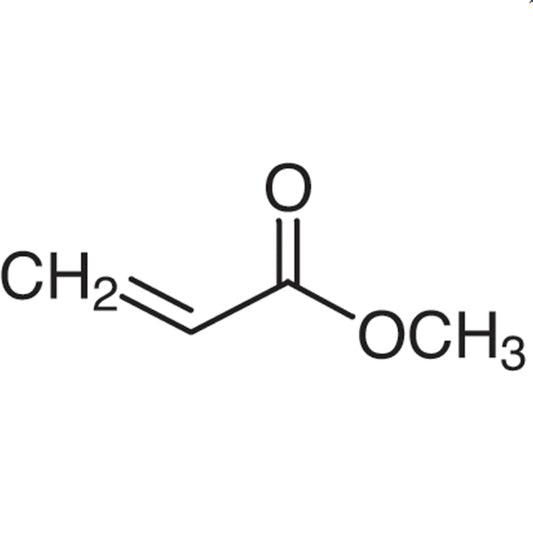
- TCI A0145 96-33-3 Methyl Acrylate (stabilized with MEHQ)
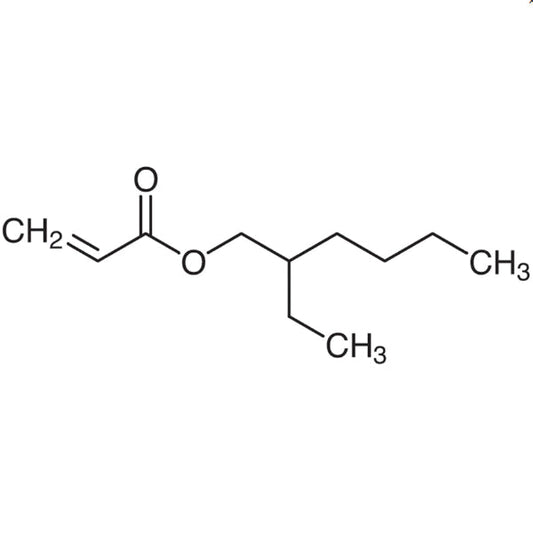
- TCI A0144 103-11-7 2-Ethylhexyl Acrylate Monomer (stabilized with MEHQ)
- TCI A0142 141-32-2 Butyl Acrylate (stabilized with MEHQ)
- Polymer synthesis for creating materials with enhanced mechanical and environmental resistance due to its reactive acrylate group and pentafluorophenyl structure.
- Development of conductive polymers and composite materials for advanced technological applications requiring specific chemical properties.
- Organic chemistry research involving controlled polymerization reactions where stability and reactivity are critical factors.
- Material science experiments aimed at producing polymers with tailored properties for industrial and scientific use.
- Synthesis of macromolecules for use in specialized applications such as coatings, adhesives, and functional materials.
| Brand | TCI |
|---|---|
| CAS number | 71195-85-2 |
| Molecular formula | — |
| Purity | — |
| Category | Materials Science > Polymer/Macromolecule Reagents > Monomers |
| Pack sizes | Available in standard laboratory quantities as per supplier specifications |
| Physical form | Liquid |
| Storage | Store in a cool, dry place away from direct sunlight and incompatible materials |
Pentafluorophenyl Acrylate should be stored in a cool, dry environment, away from direct sunlight and sources of heat. It is recommended to keep the material in a sealed container to prevent exposure to air and moisture. Due to its reactivity, it should be stored separately from strong oxidizing agents and incompatible substances. The container should be made of materials that are chemically inert to the compound, such as glass or high-density polyethylene. Regular inspection of storage conditions is advised to ensure the material remains stable and safe for use. Proper labeling and adherence to safety protocols are essential when handling this compound in laboratory settings.
—
Product Categories
- Polymer/Macromolecule ReagentsMonomersAcrylic Monomers
- Polymer/Macromolecule ReagentsMonomersFluorinated Monomers
- Biomaterials/Biocompatible Materials Research ReagentsMonomers and Macromonomers [Biomaterials/Biocompatible Materials Research Reagents]Acrylic Monomers [Biomaterials/Biocompatible Materials Research Reagents]
Produk Terkait
-
PentafluorobenzylMethacrylate(stabilizedwithBHT) TCI P2546
Regular price From Rp 4.399.500,00Regular price -
PentafluorophenylMethacrylate(stabilizedwithMEHQ) TCI P2289
Regular price From Rp 2.227.050,00Regular price -
2,2,3,3,3-PentafluoropropylMethacrylate(stabilizedwithTBC) TCI P2353
Regular price From Rp 1.696.800,00Regular price -
MethylAcrylate(stabilizedwithMEHQ) TCI A0145
Regular price From Rp 477.750,00Regular price -
2-EthylhexylAcrylateMonomer(stabilizedwithMEHQ) TCI A0144
Regular price From Rp 505.050,00Regular price -
ButylAcrylate(stabilizedwithMEHQ) TCI A0142
Regular price From Rp 505.050,00Regular price -
3-SulfopropylAcrylatePotassiumSalt TCI U0117
Regular price Rp 1.565.550,00Regular price -
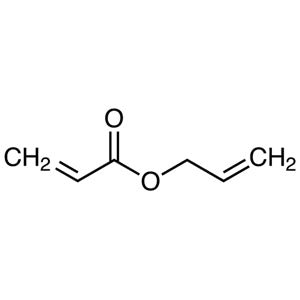
AllylAcrylate(stabilizedwithMEHQ) TCI A1740
Regular price Rp 7.209.300,00Regular price