TCI P2457 Pirenzepine Dihydrochloride (CAS 29868-97-1) is the dihydrochloride salt of pirenzepine, a tricyclic compound known in pharmacology as a muscarinic receptor antagonist that is relatively selective for the M1 subtype. It is a pharmaceutical research reagent intended for experimental laboratory use only and is not for human use. In the laboratory, pirenzepine is widely used as a pharmacological tool to tell apart the roles of different muscarinic receptor subtypes in biological systems, which helps researchers work out which receptor drives a given response.
Researchers choose pirenzepine because it is relatively more selective for M1 receptors than for the other muscarinic subtypes. This makes it a classic reference compound in receptor binding studies and functional assays, where a well-characterised comparator is needed to interpret new data. The dihydrochloride salt form generally helps the compound dissolve in aqueous media, so stock solutions for in vitro assays are easier to prepare. Pirenzepine also has a long history in the pharmacology literature, so researchers can readily compare their results with published data and check that their experimental systems behave as expected.
In Indonesia, this reagent is relevant to pharmacology, physiology, neuroscience, and biochemistry laboratories in faculties of pharmacy and medicine, as well as research institutes that study cholinergic signalling. Typical users include lecturers, postgraduate students, and research staff who run receptor characterisation work, teaching experiments on autonomic pharmacology, or exploratory studies of muscarinic pathways. As a TCI product, it gives Indonesian laboratories access to a recognised research-grade source for experimental work that needs reproducible results.
TCI brochures (PDF)
- Neurotransmission Research Reagents 2026-07-17 · p. 1
- Pharmaceutical Ingredients for Research and Experimental Use 2026-03-09 · p. 29
Related TCI products
- TCI T2849 440-17-5 Trifluoperazine Dihydrochloride
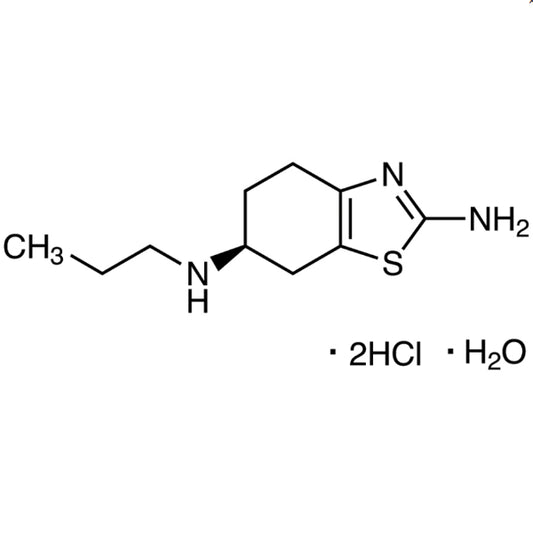
- TCI P2073 191217-81-9 Pramipexole Dihydrochloride Monohydrate
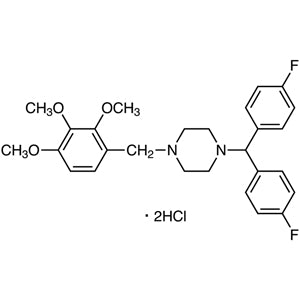
- TCI L0245 101477-54-7 Lomerizine Dihydrochloride
- TCI G0541 67469-78-7 GBR 12909 Dihydrochloride
- TCI F1240 146-56-5 Fluphenazine Dihydrochloride
- TCI E1357 143485-51-2 Eltoprazine Dihydrochloride
- Muscarinic receptor subtype differentiation: its relative selectivity for M1 lets researchers tell apart M1-mediated responses from those driven by other muscarinic subtypes in tissues or cells.
- Receptor binding studies: pirenzepine is a classic comparator in competition binding experiments, so researchers can benchmark new ligands against a compound with well-documented behaviour.
- Functional pharmacology assays: as an antagonist, it can be used to block M1-related signalling and confirm whether an observed functional response depends on that receptor subtype.
- Neuroscience and cholinergic signalling research: because it is relatively selective for M1, it helps researchers study the contribution of muscarinic receptors to neuronal signalling in experimental models.
- Teaching and method validation in pharmacology: its long publication history lets laboratories check assay performance and train students by comparing results with established literature data.
| Brand | TCI (product code P2457) |
|---|---|
| CAS number | 29868-97-1 |
| Molecular formula | — |
| Purity | — |
| Category | Life Science > Biochemicals and Reagents > Pharmaceutical Research Reagents (for Experimental Use) |
| Pack sizes | available pack sizes are listed in the TCI catalogue; please confirm with our sales team |
| Physical form | dihydrochloride salt; see the TCI Safety Data Sheet for its physical appearance |
| Storage | follow the conditions on the TCI product label and Safety Data Sheet |
Store Pirenzepine Dihydrochloride in its original, tightly closed container under the conditions stated on the TCI label and Safety Data Sheet. Keep it in a cool, dry place away from moisture and direct light. Once opened, reseal the container promptly to protect the salt from atmospheric humidity. Prepare stock solutions in clean, clearly labelled glass or compatible plastic vials, and record the preparation date. Handle the compound using standard laboratory practice: wear gloves, safety glasses, and a lab coat, avoid creating or inhaling dust, and weigh it in a well-ventilated area or fume hood. This product is for research use only and must not be used on humans or animals outside approved experimental protocols. Dispose of waste in line with institutional and local regulations.
—
Product Categories
- Biochemicals and ReagentsPharmaceutical Research Reagents (for Experimental Use)Neurotransmitter Agent Ingredients (for Research and Experimental Use)
- Cell BiologyCell Signaling and NeuroscienceNeuroscience
- Pharmaceutical Development and Drug Discovery ResearchPharmaceutical Research Reagents (for Experimental Use)Neurotransmitter Agent Ingredients (for Research and Experimental Use)
Produk Terkait
-
TrifluoperazineDihydrochloride TCI T2849
Regular price From Rp 2.094.750,00Regular price -
PramipexoleDihydrochlorideMonohydrate TCI P2073
Regular price From Rp 875.700,00Regular price -
LomerizineDihydrochloride TCI L0245
Regular price From Rp 2.439.150,00Regular price -
GBR12909Dihydrochloride TCI G0541
Regular price From Rp 5.300.400,00Regular price -
FluphenazineDihydrochloride TCI F1240
Regular price From Rp 2.677.500,00Regular price -
EltoprazineDihydrochloride TCI E1357
Regular price From Rp 3.630.900,00Regular price -
4-AminobutyricAcid TCI A0282
Regular price From Rp 505.050,00Regular price -
AtropineSulfateMonohydrate TCI A0550
Regular price From Rp 1.856.400,00Regular price