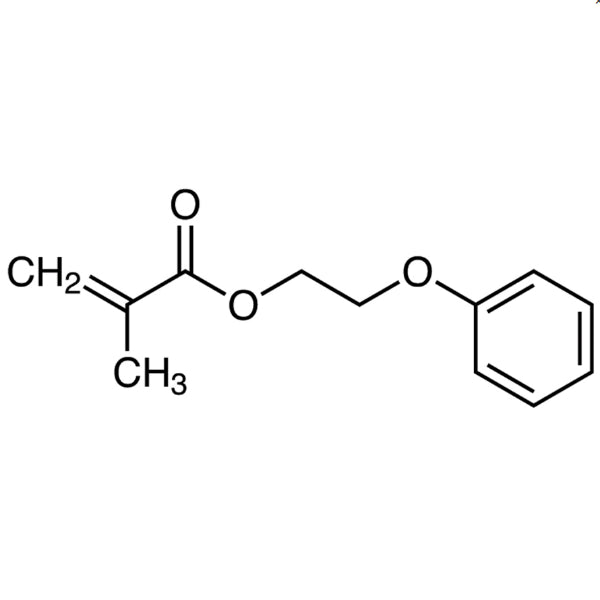
2-Phenoxyethyl Methacrylate (stabilized with HQ + MEHQ) is a chemical monomer widely used in polymerization reactions to produce polymers with specific properties. This material plays a crucial role in materials science research, enabling the synthesis of advanced polymers with tailored characteristics. It is commonly utilized in the development of materials for various industries, including construction, electronics, and medical applications. Its chemical structure allows for versatile functionalization, making it a valuable component in the creation of high-performance materials.
The stabilization with Hydroquinone (HQ) and Methylethylhydroquinone (MEHQ) ensures that the material remains chemically stable and reactive over extended periods. This property is essential for maintaining the integrity of the monomer during storage and use. The combination of stability and reactivity makes it a preferred choice for researchers seeking reliable and consistent results in their experiments. Additionally, its compatibility with various polymerization techniques enhances its utility in both academic and industrial settings.
In Indonesian laboratories, 2-Phenoxyethyl Methacrylate is a key material for research and development in materials science. It is frequently used in academic institutions and research centers to support experimental work and innovation. Its availability in the local market facilitates access for scientists and professionals working in the field of chemistry and material science. This material is essential for advancing new product development and technological applications in Indonesia.
TCI brochures (PDF)
- Monomers 2025-05-28 · p. 7
Related TCI products
- TCI A1400 48145-04-6 2-Phenoxyethyl Acrylate (stabilized with MEHQ)
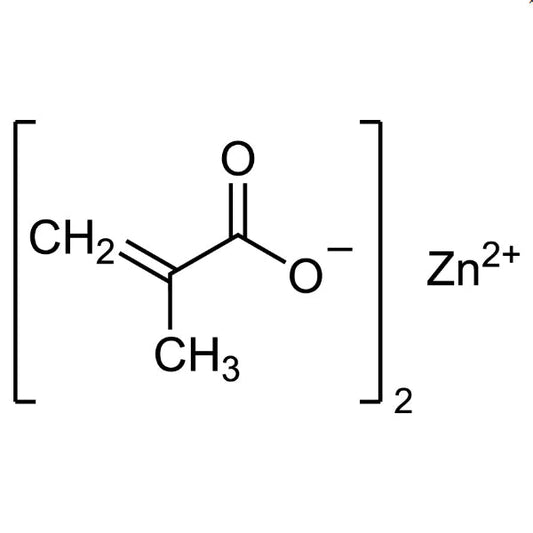
- TCI Z0070 13189-00-9 Zinc Methacrylate
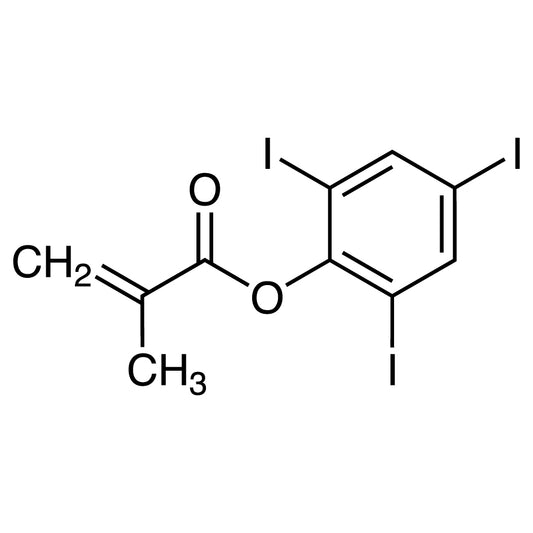
- TCI T4361 101364-80-1 2,4,6-Triiodophenyl Methacrylate
- TCI T3728 45102-52-1 2,2,3,3-Tetrafluoropropyl Methacrylate (stabilized with MEHQ)
- TCI T3414 2144-53-8 1H,1H,2H,2H-Tridecafluoro-n-octyl Methacrylate (stabilized with HQ + MEHQ)
- TCI B5371 2998-18-7 sec-Butyl Methacrylate (stabilized with MEHQ)
- Polymer synthesis for creating high-performance materials used in construction and electronics due to its reactivity and stability.
- Development of medical-grade polymers for applications such as drug delivery systems and biocompatible devices because of its chemical versatility.
- Research in advanced materials for electronic components where controlled polymer properties are essential for functionality.
- Formulation of coatings and adhesives requiring specific mechanical and chemical properties through controlled polymerization.
- Innovation in composite materials for industrial applications where enhanced durability and chemical resistance are required.
| Brand | TCI |
|---|---|
| CAS number | 10595-06-9 |
| Molecular formula | — |
| Purity | — |
| Category | Materials Science > Polymer/Macromolecule Reagents > Monomers |
| Pack sizes | Available in various sizes as per standard commercial supply |
| Physical form | Liquid |
| Storage | Store in a cool, dark place away from heat and direct sunlight |
This material should be stored in a cool, dark place, away from heat and direct sunlight to maintain its stability and reactivity. It is recommended to use suitable containers that are resistant to chemical reactions, such as glass or high-density polyethylene vessels. Proper labeling and secure storage are essential to prevent accidental exposure. In a laboratory setting, it should be handled with appropriate personal protective equipment, including gloves and safety goggles. Regular monitoring of storage conditions ensures the material remains in optimal condition for use in experiments and research.
—
Product Categories
Produk Terkait
-
2-PhenoxyethylAcrylate(stabilizedwithMEHQ) TCI A1400
Regular price From Rp 530.250,00Regular price -
ZincMethacrylate TCI Z0070
Regular price From Rp 743.400,00Regular price -
2,4,6-TriiodophenylMethacrylate TCI T4361
Regular price From Rp 3.392.550,00Regular price -
2,2,3,3-TetrafluoropropylMethacrylate(stabilizedwithMEHQ) TCI T3728
Regular price From Rp 557.550,00Regular price -
1H,1H,2H,2H-Tridecafluoro-n-octylMethacrylate(stabilizedwithHQ+MEHQ) TCI T3414
Regular price From Rp 1.273.650,00Regular price -
sec-ButylMethacrylate(stabilizedwithMEHQ) TCI B5371
Regular price From Rp 2.730.000,00Regular price -
2-[(3r,5r,7r)-Adamantan-1-yl]propan-2-ylMethacrylate(stabilizedwithMEHQ) TCI A3633
Regular price From Rp 2.016.000,00Regular price -
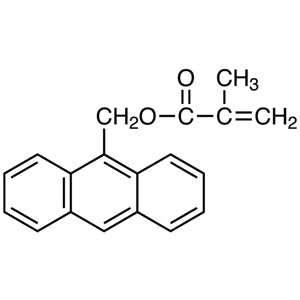
9-AnthrylmethylMethacrylate TCI A2645
Regular price Rp 4.771.200,00Regular price





![279218-76-7 2-[(3r,5r,7r)-Adamantan-1-yl]propan-2-yl Methacrylate (stabilized with MEHQ) - AMI Scientific](http://amiscientific.com/cdn/shop/files/TCI_32d370de-36a6-41a6-85d3-a19ab470bf3f.png?v=1766990810&width=533)
![279218-76-7 2-[(3r,5r,7r)-Adamantan-1-yl]propan-2-yl Methacrylate (stabilized with MEHQ) - AMI Scientific](http://amiscientific.com/cdn/shop/files/TCI2510A3633.jpg?v=1768815042&width=533)