2-Phenoxyethyl Acrylate (stabilized with MEHQ) is a chemical compound widely used in laboratory settings for its versatility in chemical reactions and molecular synthesis. This material serves as a key building block in the development of polymers, coatings, and additives due to its ability to undergo polymerization and crosslinking reactions. Its structural properties make it an essential component in the creation of materials with specific mechanical and chemical characteristics. As a core element in synthetic chemistry, it supports a wide range of experimental applications, from basic research to advanced material development.
The compound is preferred for its stability and reactivity, which are enhanced by the inclusion of MEHQ (methyl ethyl ketone peroxide) as a stabilizer. This stabilizer significantly extends the shelf life of the product and minimizes the risk of degradation during storage. Its chemical stability ensures consistent performance in various experimental conditions, while its reactivity allows for the formation of complex molecular structures. These properties make it a reliable and efficient choice for both academic and industrial research environments.
In Indonesian laboratories, 2-Phenoxyethyl Acrylate is commonly used in chemical research, the development of new materials, and the production of industrial chemical products. Its availability in various packaging formats facilitates its use across different experimental scales, from small-scale research to large-scale production. Its reliability and effectiveness have made it a preferred choice among researchers and chemical professionals in educational and industrial institutions across Indonesia.
TCI brochures (PDF)
- Monomers 2025-05-28 · p. 3
Related TCI products
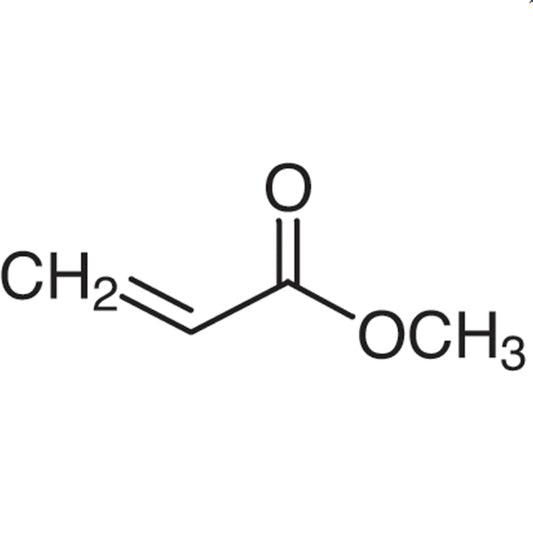
- TCI A0145 96-33-3 Methyl Acrylate (stabilized with MEHQ)
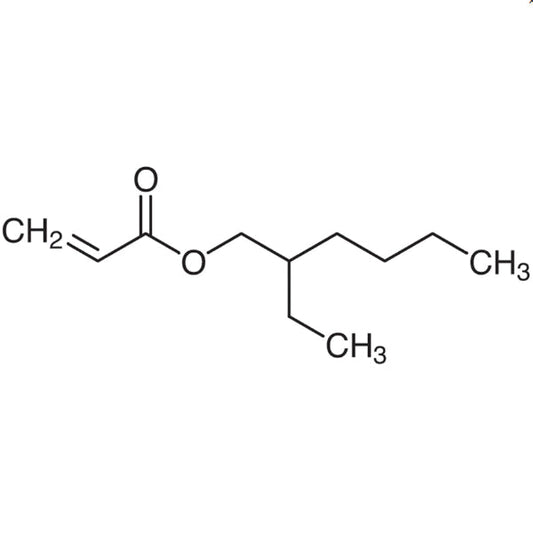
- TCI A0144 103-11-7 2-Ethylhexyl Acrylate Monomer (stabilized with MEHQ)
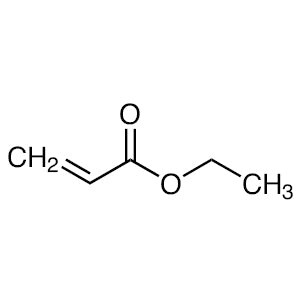
- TCI A0143 140-88-5 Ethyl Acrylate (stabilized with MEHQ)
- TCI A0142 141-32-2 Butyl Acrylate (stabilized with MEHQ)
- TCI U0117 31098-20-1 3-Sulfopropyl Acrylate Potassium Salt
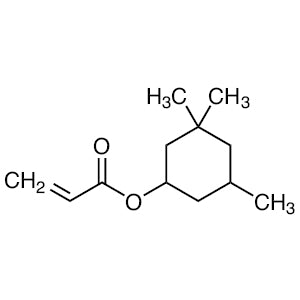
- TCI T3984 86178-38-3 3,3,5-Trimethylcyclohexyl Acrylate (cis- and trans- mixture) (stabilized with MEHQ)
- Polymer synthesis and coating formulation due to its ability to undergo polymerization and crosslinking reactions.
- Development of adhesives and sealants because of its reactivity and compatibility with various chemical systems.
- Creation of specialty chemicals for industrial applications requiring specific mechanical and chemical properties.
- Research in material science for the design of advanced polymers and composite materials.
- Chemical synthesis of complex molecules in academic and industrial laboratories due to its structural versatility.
| Brand | TCI |
|---|---|
| CAS number | 48145-04-6 |
| Molecular formula | — |
| Purity | — |
| Category | Chemistry > Building Blocks > Non-Heterocyclic Building Blocks |
| Pack sizes | Available in various packaging formats to suit different experimental scales |
| Physical form | Liquid |
| Storage | Store in a cool, dry place away from light and incompatible materials |
This material should be stored in a cool, dry environment, away from direct sunlight and sources of heat. It is recommended to use airtight containers made of materials compatible with its chemical properties to prevent contamination and degradation. Due to its reactivity, it should be kept separate from strong oxidizing agents and incompatible substances. Proper labeling and secure storage are essential to ensure safety in the laboratory. Regular inspection of storage conditions and container integrity is advised to maintain the stability and effectiveness of the compound. Always follow standard laboratory safety protocols when handling and using this material.
—
Produk Terkait
-
MethylAcrylate(stabilizedwithMEHQ) TCI A0145
Regular price From Rp 477.750,00Regular price -
2-EthylhexylAcrylateMonomer(stabilizedwithMEHQ) TCI A0144
Regular price From Rp 505.050,00Regular price -
EthylAcrylate(stabilizedwithMEHQ) TCI A0143
Regular price From Rp 477.750,00Regular price -
ButylAcrylate(stabilizedwithMEHQ) TCI A0142
Regular price From Rp 505.050,00Regular price -
3-SulfopropylAcrylatePotassiumSalt TCI U0117
Regular price Rp 1.565.550,00Regular price -
3,3,5-TrimethylcyclohexylAcrylate(cis-andtrans-mixture)(stabilizedwithMEHQ) TCI T3984
Regular price From Rp 1.510.950,00Regular price -
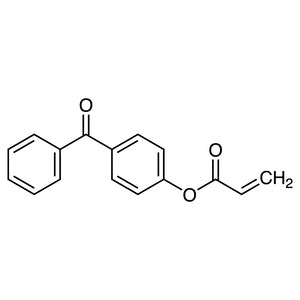
4-BenzoylphenylAcrylate TCI A3715
Regular price From Rp 1.590.750,00Regular price -
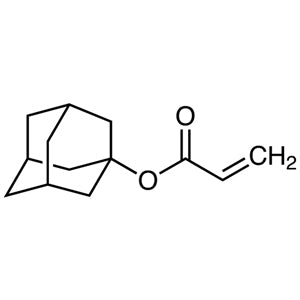
Adamantan-1-ylAcrylate(stabilizedwithBHT) TCI A1735
Regular price From Rp 2.174.550,00Regular price