![135-48-8 Pentacene (99.999%, trace metals basis) (purified by sublimation) [for organic electronics] - AMI Scientific](http://amiscientific.com/cdn/shop/files/TCI2510P2524.jpg?v=1768819391&width=1946)
![135-48-8 Pentacene (99.999%, trace metals basis) (purified by sublimation) [for organic electronics] - AMI Scientific](http://amiscientific.com/cdn/shop/files/TCI2510P2524.jpg?v=1768819391&width=1445)
Pentacene is a high-purity organic semiconductor widely used in advanced materials research and organic electronics. As a key component in the development of organic electronic devices, it plays a crucial role in laboratories focused on innovation in electronic materials. Its unique molecular structure allows it to function as an effective charge carrier, making it essential for the fabrication of organic light-emitting diodes (OLEDs) and organic transistors. Due to its exceptional performance in electronic applications, Pentacene is a preferred material for researchers aiming to explore new frontiers in electronic device technology.
The material's high purity level of 99999% and its trace metals basis ensure minimal contamination, which is critical for achieving reliable and reproducible experimental results. The purification process via sublimation further enhances its purity and stability, making it ideal for sensitive applications. Its excellent chemical stability and high conductivity contribute to its reliability in both synthetic and analytical laboratory settings. These properties make Pentacene a trusted choice for scientists working on cutting-edge electronic materials.
In Indonesian laboratories, Pentacene is commonly used in research related to organic electronics, particularly in the development of OLEDs and other organic semiconductor-based devices. Its availability in 100mg and 1g pack sizes makes it accessible for both small-scale experiments and more extensive research projects. The material's high purity and consistent quality ensure that it meets the rigorous demands of modern scientific research in the region.
- Organic Light-Emitting Diodes (OLEDs) – Pentacene is used as a charge transport layer due to its high electrical conductivity and stability, enhancing the performance of OLED devices.
- Organic Transistors – Its excellent charge mobility makes it suitable for use in organic field-effect transistors, enabling efficient electronic switching in flexible electronics.
- Semiconductor Sintering – The material is employed in the synthesis of organic semiconductors, where its purity ensures the integrity of the final product.
- Material Characterization – Its stable physical and chemical properties make it ideal for testing electronic and optical properties in material science research.
- Thin-Film Deposition – Pentacene is used in the deposition of thin films for electronic applications, where its purity and consistency are critical for uniform film formation.
| Brand | TCI |
|---|---|
| CAS number | 135-48-8 |
| Molecular formula | — |
| Purity | — |
| Category | Materials Science > Electronic Materials > High-Quality Organic Semiconductors |
| Pack sizes | 100mg, 1g |
| Physical form | Powder |
| Storage | — |
Pentacene should be stored in a cool, dry place away from light and moisture to maintain its stability and purity. It is recommended to use airtight containers made of glass or high-density polyethylene to prevent contamination and degradation. Due to its high purity and sensitivity to environmental factors, it should be handled with care to avoid exposure to air and moisture. In laboratory settings, it is important to use appropriate personal protective equipment when handling the material. Proper storage conditions ensure that the material remains suitable for its intended applications in research and development.
—
Produk Terkait
-
TCI B5774 5,10-Bis(4,4,5,5-tetramethyl-1,3,2-dioxaborolan-2-yl)naphtho[1,2-c:5,6-c']bis([1,2,5]oxadiazole)
Regular price Rp 10.255.350,00Regular price -
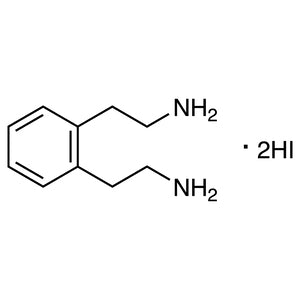
Dihydroiodide TCI B6569
Regular price From Rp 1.936.200,00Regular price -
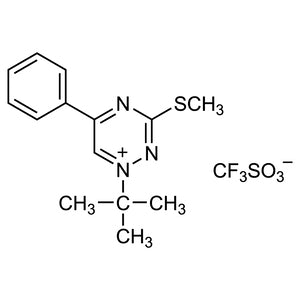
Trifluoromethanesulfonate TCI B7003
Regular price From Rp 1.936.200,00Regular price
![5,10-Bis(4,4,5,5-tetramethyl-1,3,2-dioxaborolan-2-yl)naphtho[1,2-c:5,6-c']bis([1,2,5]oxadiazole) - TCI B5774 - AMI Scientific](http://amiscientific.com/cdn/shop/files/TCI2510B5774.jpg?v=1769180228&width=533)