(+)-Pinoresinol is a naturally occurring compound classified under the flavonoid category, widely used in scientific research. This compound is commonly found in plants such as cinnamon and coffee trees, and it plays a significant role in various biochemical studies. Its biological activities, including antioxidant and anti-inflammatory properties, make it an essential tool for researchers exploring the effects of natural compounds on cellular and organismal functions. In laboratory settings, (+)-Pinoresinol is a key component in experiments aimed at understanding the mechanisms of disease and developing new therapeutic and cosmetic products.
One of the main reasons (+)-Pinoresinol is preferred is its complex chemical structure and stable physical properties, which allow for easy storage and handling. It exhibits good solubility in organic solvents, facilitating extraction and purification processes. These characteristics make it a reliable and versatile compound for a wide range of experimental applications. Additionally, its non-toxic nature and relatively safe handling profile contribute to its popularity in research environments.
In Indonesian laboratories, (+)-Pinoresinol is frequently used in health-related, pharmaceutical, and biotechnology research. It is a common material in studies examining the effects of natural compounds on biological systems. Its role in investigating degenerative and metabolic diseases further underscores its importance in the scientific community. Researchers in Indonesia rely on this compound for its consistent performance and broad applicability across multiple disciplines.
TCI brochures (PDF)
- Phytochemicals 2025-12-17 · p. 9
- Used in antioxidant research to evaluate the protective effects of natural compounds on cellular damage.
- Applied in inflammation studies to investigate its anti-inflammatory properties in biological systems.
- Utilized in pharmaceutical development for the formulation of natural-based therapeutic agents.
- Employed in cosmetic research to assess its potential as a bioactive ingredient in skincare products.
- Incorporated in metabolic disease studies to explore its role in regulating metabolic pathways.
| Brand | TCI |
|---|---|
| CAS number | 487-36-5 |
| Molecular formula | — |
| Purity | — |
| Category | Life Science > Biochemicals and Reagents > Crude Medicine Ingredients for Research and Experimental Use |
| Pack sizes | Available in various quantities as per standard laboratory requirements |
| Physical form | Solid powder |
| Storage | Store in a cool, dry place away from light and moisture |
(+)-Pinoresinol should be stored in a cool, dry environment, away from direct sunlight and moisture to maintain its stability and potency. It is recommended to use airtight containers to prevent exposure to air and humidity, which could affect its quality. As a non-toxic compound, it is generally safe to handle, but standard laboratory precautions should still be followed, such as wearing appropriate personal protective equipment. It is soluble in organic solvents, so proper ventilation is advised when working with it. Its stable nature allows for long-term storage without significant degradation, making it a reliable choice for research applications.
—
Product Categories
- Biochemicals and ReagentsCrude Medicine Ingredients for Research and Experimental Use
- Biochemicals and ReagentsPhenylpropanoids, Aromatic PolyketidesPhenylpropanoids
- Cell BiologyNutrition ResearchPhytochemicals
- Pharmaceutical Development and Drug Discovery ResearchCrude Medicine Ingredients for Research and Experimental Use
Produk Terkait
-
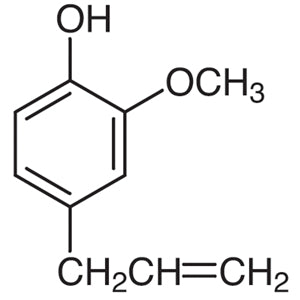
Eugenol TCI A0232
Regular price From Rp 557.550,00Regular priceRp 405.300,00Sale price From Rp 557.550,00 -
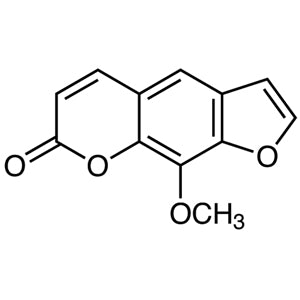
Xanthotoxin TCI X0009
Regular price From Rp 557.550,00Regular priceRp 405.300,00Sale price From Rp 557.550,00 -
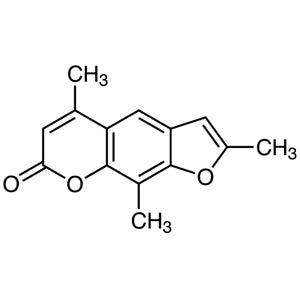
Trioxsalen TCI T2267
Regular price From Rp 2.227.050,00Regular priceRp 1.572.900,00Sale price From Rp 2.227.050,00 -
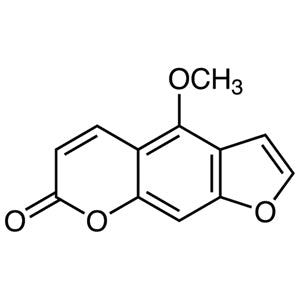
Bergapten TCI B2840
Regular price From Rp 2.702.700,00Regular priceRp 1.905.750,00Sale price From Rp 2.702.700,00 -
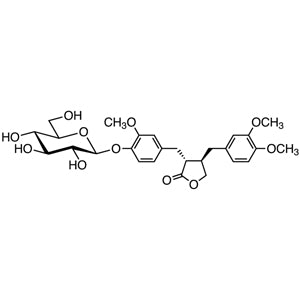
Arctiin TCI A3118
Regular price From Rp 1.483.650,00Regular priceRp 1.053.150,00Sale price From Rp 1.483.650,00 -
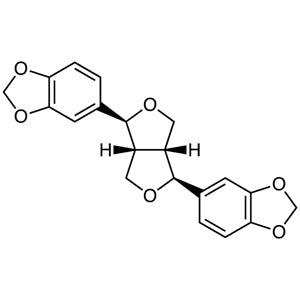
Sesamin TCI S0495
Regular price Rp 5.246.850,00Regular priceRp 3.684.450,00Sale price Rp 5.246.850,00 -
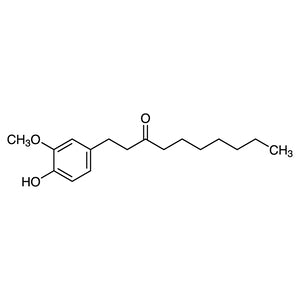
Paradol TCI P2982
Regular price Rp 7.102.200,00Regular priceRp 4.982.250,00Sale price Rp 7.102.200,00 -
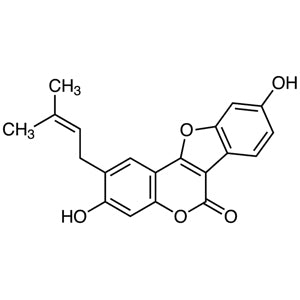
Psoralidin TCI P2605
Regular price Rp 13.568.100,00Regular priceRp 9.503.550,00Sale price Rp 13.568.100,00