Phenethyl Benzoate from TCI is an ester formed from benzoic acid and 2-phenylethanol. TCI classifies it as a non-heterocyclic building block. The compound is known in the fragrance industry for its soft, sweet, floral aroma. In the laboratory, phenethyl benzoate is used as a starting material for organic synthesis, as a model compound for ester reactions, and as a standard in the analysis of aroma materials. Its structure is simple but contains two aromatic rings, which makes it suitable for many kinds of chemical and analytical studies.
Researchers choose this compound because its ester group is easy to transform through hydrolysis, transesterification, or reduction. That makes it useful for teaching exercises and for research on functional group transformations. Its two aromatic rings give clear UV absorption, so it is easy to monitor by HPLC-UV and GC-MS. In fragrance formulation, esters like this are valued for their low volatility and their ability to act as aroma fixatives. These traits make it relevant to studies of aroma release profiles and formula stability.
Indonesia has large perfume, cosmetics, and household product industries. Phenethyl benzoate is relevant to aroma R&D laboratories, quality control teams that check fragrance raw materials, and university organic chemistry laboratories. Analytical laboratories can use it as a reference compound when developing chromatographic methods for aromatic esters. Academic groups can use it as a simple, well-defined substrate when studying esterification, hydrolysis, and reduction reactions in teaching or research settings.
Related TCI products
- Organic synthesis: the ester group can be readily hydrolysed, transesterified, or reduced, so the compound works well as a versatile non-heterocyclic building block for preparing related molecules.
- Model compound for ester reactions: its simple, well-defined structure lets researchers and students study reaction behaviour, kinetics, and functional group transformations without interference from complex side groups.
- Reference standard in aroma analysis: fragrance and QC laboratories can use it as a standard when identifying and comparing aroma ingredients in raw materials and finished formulations.
- Chromatographic method development: its two aromatic rings give clear UV absorption, so it is easy to detect and monitor by HPLC-UV and GC-MS during method setup.
- Fragrance fixative and stability studies: as a low-volatility ester, it suits experiments that examine aroma release profiles, fixative behaviour, and the long-term stability of fragrance formulas.
| Brand | TCI (product code P2893) |
|---|---|
| CAS number | 94-47-3 |
| Molecular formula | — |
| Purity | — |
| Category | Chemistry > Building Blocks > Non-Heterocyclic Building Blocks |
| Pack sizes | available in the pack sizes listed on the product page |
| Physical form | refer to the manufacturer's Certificate of Analysis and product label |
| Storage | keep in a tightly closed container in a cool, dry place, following the manufacturer's recommendations |
Store phenethyl benzoate in its original, tightly sealed container in a cool, dry, well-ventilated area, away from direct sunlight, heat sources, and ignition sources. Keep it apart from strong oxidising agents, strong acids, and strong bases, because these can react with or degrade the ester. Label containers clearly and keep them closed when not in use, so the material does not absorb moisture or become contaminated. Handle it in a fume hood or another well-ventilated area, and wear standard personal protective equipment such as safety glasses, chemical-resistant gloves, and a lab coat. Avoid contact with skin and eyes, and do not inhale vapours. Always read the manufacturer's Safety Data Sheet before use, and dispose of waste according to local regulations and your institution's procedures.
—
Produk Terkait
-
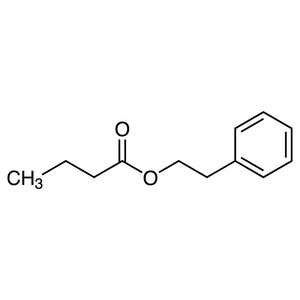
PhenethylButyrate TCI P3099
Regular price Rp 928.200,00Regular price -
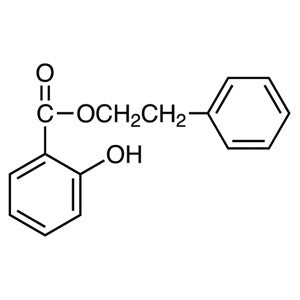
PhenethylSalicylate TCI P2165
Regular price Rp 848.400,00Regular price -
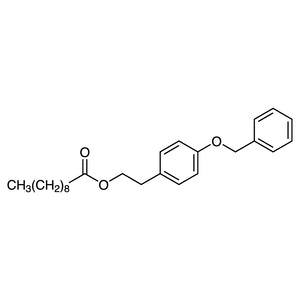
4-(Benzyloxy)phenethylDecanoate TCI D6128
Regular price Rp 1.353.450,00Regular price -
Methyl3,4,5-Tris(benzyloxy)benzoate TCI T1870
Regular price Rp 1.458.450,00Regular price -
Methyl3-(Bromomethyl)benzoate TCI B2224
Regular price From Rp 1.856.400,00Regular price -
Methyl4-(Bromomethyl)benzoate TCI B2053
Regular price From Rp 1.353.450,00Regular price -
AllylBenzoate TCI B2041
Regular price Rp 2.650.200,00Regular price -
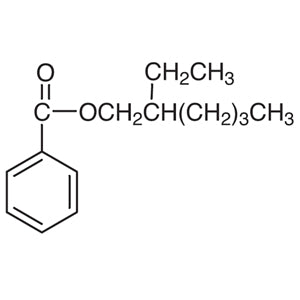
2-EthylhexylBenzoate TCI B1977
Regular price Rp 2.677.500,00Regular price