Pyrazosulfuron-ethyl from TCI is a compound in the sulfonylurea class, a group of herbicides known to work at low application rates. Its molecule is built around a pyrazole core that carries an ethyl ester group and is linked through a sulfonylurea bridge to a pyrimidine ring. In the laboratory, it is mainly used as a reference substance or test compound in agrochemical research, residue analysis, environmental toxicology and plant biology. Researchers use it as a standard when they need to identify or measure this compound in soil, water or plant samples.
The compound is useful to researchers because its mode of action has been studied in depth. Sulfonylurea compounds inhibit acetolactate synthase (ALS), a key enzyme in plant biosynthesis of the branched-chain amino acids valine, leucine and isoleucine. Animals do not have this pathway, so sulfonylureas are often used as models for studying herbicide selectivity and plant amino acid metabolism. This link to amino acid biosynthesis is why the product is listed under nutrition research. Because it comes from TCI, a recognised reagent brand, laboratories have a consistent and traceable source for reference and comparison work.
Pyrazosulfuron-ethyl is widely used in paddy rice cultivation to control broadleaf weeds. This makes it especially relevant to Indonesian laboratories, where rice farming is central to agriculture. University agronomy and plant science departments, agricultural research institutes, environmental testing laboratories and food safety laboratories may use it to study its effects on weeds and crops, to check analytical methods for residues, or to monitor how it behaves in rice-field soil and water.
TCI brochures (PDF)
- Agrochemical Ingredients for Research and Experimental Use 2026-01-08 · p. 4
- Plant Research Reagents 2026-02-24 · p. 10
- Residue analysis: works as a reference standard for identifying and quantifying pyrazosulfuron-ethyl in soil, water and plant samples, so laboratories can confirm detection and measurement results reliably.
- Agrochemical research: serves as a test compound for studying sulfonylurea herbicides, which are effective at low doses, so researchers can compare activity and behaviour within this herbicide class.
- Environmental toxicology: helps researchers assess how this paddy-field herbicide moves through and affects soil and aquatic environments, which matters wherever rice is grown extensively.
- Plant biology and enzyme studies: suits experiments on acetolactate synthase (ALS) inhibition, because its well-studied mode of action blocks biosynthesis of valine, leucine and isoleucine in plants.
- Herbicide selectivity and nutrition research: acts as a model compound for studying plant amino acid metabolism, since the branched-chain amino acid pathway it targets is absent in animals.
| Brand | TCI (product code P2901) |
|---|---|
| CAS number | 93697-74-6 |
| Molecular formula | — |
| Purity | — |
| Category | Life Science > Cell Biology > Nutrition Research |
| Pack sizes | Available in TCI standard pack sizes; please confirm the available options when ordering |
| Physical form | — |
| Storage | Follow the storage conditions on the TCI product label and Safety Data Sheet (SDS) |
- Chemical class: Sulfonylurea compound with a pyrazole core, an ethyl ester group and a pyrimidine ring
Store pyrazosulfuron-ethyl in its original, tightly closed TCI container, in a cool, dry and well-ventilated area away from direct sunlight, moisture and incompatible materials. Follow any specific storage temperature shown on the product label or Safety Data Sheet. Label containers clearly and keep them apart from food and animal feed. Handle the compound in a fume hood or well-ventilated area, and wear suitable gloves, safety glasses and a laboratory coat. Do not inhale dust and avoid contact with skin and eyes. Because it is a herbicide, keep it away from drains and the environment, and dispose of waste and contaminated materials according to local regulations and institutional chemical waste procedures.
—
Produk Terkait
-
Nicosulfuron TCI N1224
Regular price From Rp 1.458.450,00Regular price -
Halosulfuron-methyl TCI H1374
Regular price From Rp 2.121.000,00Regular price -
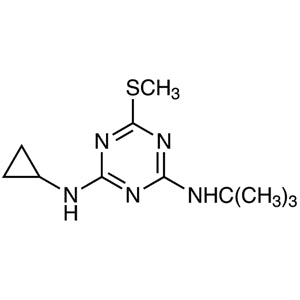
2-(tert-Butylamino)-4-(cyclopropylamino)-6-(methylthio)-1,3,5-triazine TCI I0842
Regular price From Rp 1.644.300,00Regular price -
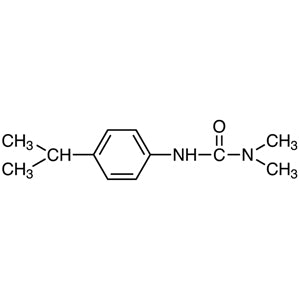
Isoproturon TCI I0843
Regular price From Rp 1.298.850,00Regular price -
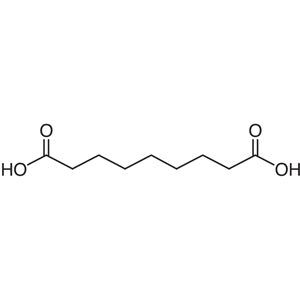
AzelaicAcid TCI A0561
Regular price From Rp 505.050,00Regular price -
AbieticAcid TCI A0001
Regular price From Rp 1.510.950,00Regular price -
Sulfentrazone TCI U0110
Regular price From Rp 2.411.850,00Regular price -
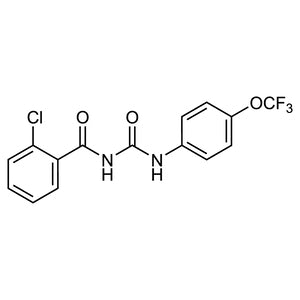
Triflumuron TCI T4364
Regular price From Rp 1.220.100,00Regular price