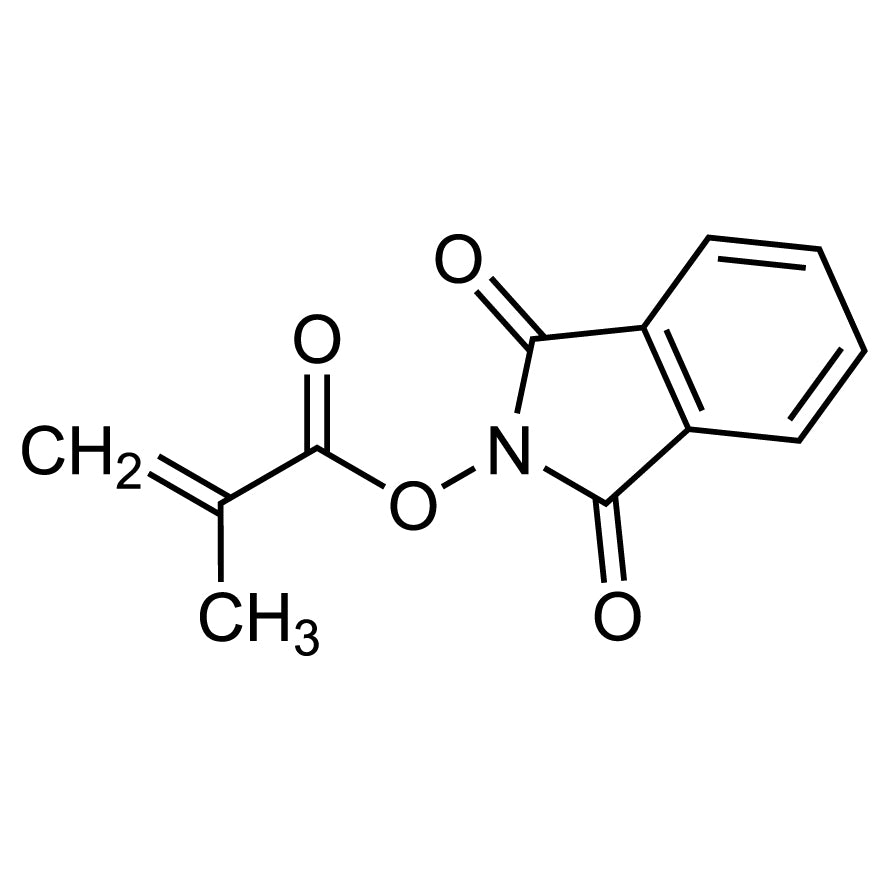
TCI P3350 1,3-Dioxoisoindolin-2-yl Methacrylate (CAS 72299-96-8), also known as N-(methacryloyloxy)phthalimide, is a methacrylate monomer that carries an N-hydroxyphthalimide ester group. In materials science, it is used to make polymers with activated ester or redox-active groups on their side chains. These polymers can be modified further after polymerization, so a single parent polymer can be turned into a range of functional materials. This makes the monomer a flexible building block for laboratories that design and synthesize new macromolecules.
The main appeal of this monomer is that its phthalimide ester group does two jobs. First, the ester reacts readily with amines, which allows post-polymerization modification to attach many different functional groups to the polymer backbone. Second, the N-(acyloxy)phthalimide ester is redox-active and can form radicals through decarboxylative reactions, which allows side chains to be functionalized by photochemical or catalytic methods. The methacrylate framework also works with radical polymerization techniques, including controlled methods such as RAFT and ATRP, so researchers can control polymer architecture.
In Indonesia, this specialty monomer is relevant to polymer science, materials chemistry, and nanotechnology research groups at universities and research institutions that develop smart and functional materials. Laboratories studying post-polymerization modification, controlled radical polymerization, and photochemical or catalytic side-chain functionalization can use it to prepare reactive precursor polymers. It also suits graduate research projects and collaborative studies on new macromolecular materials, where one reactive polymer platform can lead to several material variants.
Advantages (TCI brochure)
- Yields polymers capable of converting the main chain structure to ethylene or propylene via polymer reactions, or post-polymerization modifications
TCI brochures (PDF)
Related TCI products
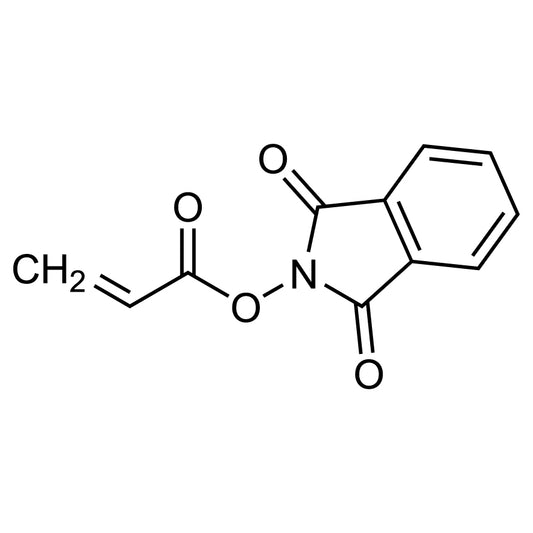
- TCI P3351 55484-53-2 1,3-Dioxoisoindolin-2-yl Acrylate
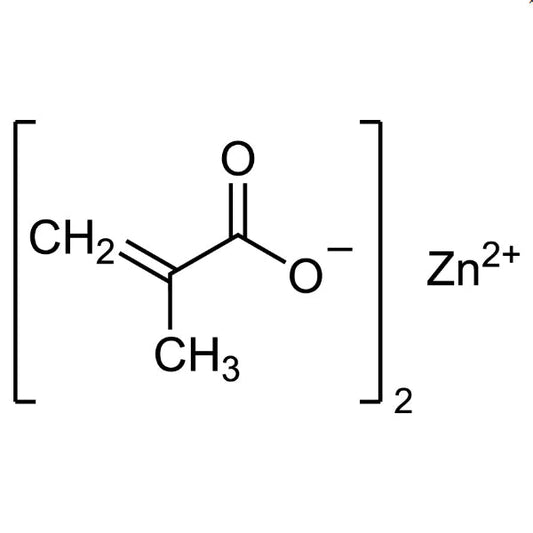
- TCI Z0070 13189-00-9 Zinc Methacrylate
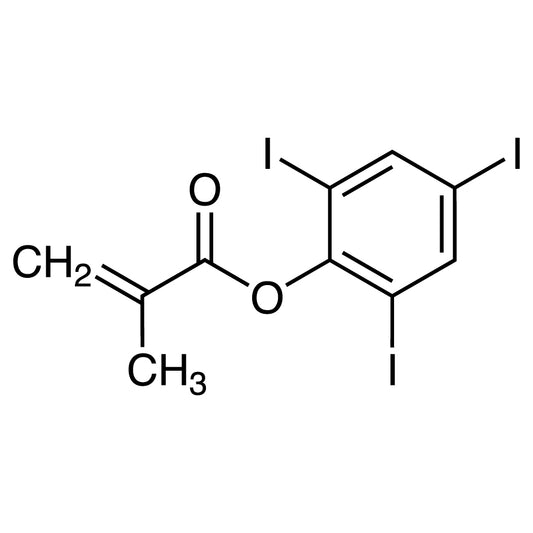
- TCI T4361 101364-80-1 2,4,6-Triiodophenyl Methacrylate
- TCI T3728 45102-52-1 2,2,3,3-Tetrafluoropropyl Methacrylate (stabilized with MEHQ)
- TCI T3414 2144-53-8 1H,1H,2H,2H-Tridecafluoro-n-octyl Methacrylate (stabilized with HQ + MEHQ)
- TCI B5371 2998-18-7 sec-Butyl Methacrylate (stabilized with MEHQ)
- Synthesis of activated-ester polymers: the N-hydroxyphthalimide ester side group gives polymers reactive sites that can be modified after polymerization to introduce new functionality.
- Post-polymerization modification with amines: the ester reacts readily with amines, so researchers can attach a variety of functional groups to one parent polymer and build a library of materials.
- Controlled radical polymerization studies: the methacrylate framework works with RAFT and ATRP techniques, which helps researchers prepare well-defined polymers with controlled architecture for further work.
- Redox-active and decarboxylative side-chain chemistry: the N-(acyloxy)phthalimide ester can form radicals through decarboxylative reactions, which makes it useful for studying radical-based side-chain transformations.
- Photochemical and catalytic functionalization of materials: polymers made from this monomer can have their side chains modified by photochemical or catalytic methods, which supports research into smart and functional materials.
From the TCI brochure
- Copolymerization with acrylate monomers followed by post-polymerization modification
- Acid (H+) treatment of the polymer (Ref. 1, 2)
- Photocatalytic modification with a phosphorus-based reagent (Ref. 4)
| Brand | TCI (product code P3350) |
|---|---|
| CAS number | 72299-96-8 |
| Molecular formula | — |
| Purity | — |
| Category | Materials Science > Polymer/Macromolecule Reagents > Monomers |
| Pack sizes | as listed on the product page |
| Physical form | refer to the TCI product label and Safety Data Sheet (SDS) |
| Storage | — |
- Synonym: N-(Methacryloyloxy)phthalimide
Data from the TCI brochure
| Kemasan | 1g / 5g |
|---|
Source: TCI brochure FF227 (2026-02-05)
Store this monomer in its original, tightly closed manufacturer container in a cool, dry, well-ventilated area, away from heat, direct light, and ignition sources. Follow the storage conditions on the TCI label and Safety Data Sheet, because reactive methacrylate monomers can be sensitive to heat and light. Keep it away from strong oxidizers, amines, and other incompatible reagents unless you are using them in a planned reaction. Handle it in a fume hood while wearing suitable personal protective equipment, including chemical-resistant gloves, safety glasses, and a lab coat. Avoid inhaling dust or vapors and avoid contact with skin and eyes. Dispose of waste according to institutional and local chemical waste regulations.
—
Product Categories
Produk Terkait
-
1,3-Dioxoisoindolin-2-ylAcrylate TCI P3351
Regular price From Rp 1.378.650,00Regular price -
ZincMethacrylate TCI Z0070
Regular price From Rp 743.400,00Regular price -
2,4,6-TriiodophenylMethacrylate TCI T4361
Regular price From Rp 3.392.550,00Regular price -
2,2,3,3-TetrafluoropropylMethacrylate(stabilizedwithMEHQ) TCI T3728
Regular price From Rp 557.550,00Regular price -
1H,1H,2H,2H-Tridecafluoro-n-octylMethacrylate(stabilizedwithHQ+MEHQ) TCI T3414
Regular price From Rp 1.273.650,00Regular price -
sec-ButylMethacrylate(stabilizedwithMEHQ) TCI B5371
Regular price From Rp 2.730.000,00Regular price -
2-[(3r,5r,7r)-Adamantan-1-yl]propan-2-ylMethacrylate(stabilizedwithMEHQ) TCI A3633
Regular price From Rp 2.016.000,00Regular price -
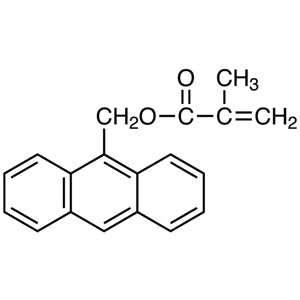
9-AnthrylmethylMethacrylate TCI A2645
Regular price Rp 4.771.200,00Regular price





![279218-76-7 2-[(3r,5r,7r)-Adamantan-1-yl]propan-2-yl Methacrylate (stabilized with MEHQ) - AMI Scientific](http://amiscientific.com/cdn/shop/files/TCI_32d370de-36a6-41a6-85d3-a19ab470bf3f.png?v=1766990810&width=533)
![279218-76-7 2-[(3r,5r,7r)-Adamantan-1-yl]propan-2-yl Methacrylate (stabilized with MEHQ) - AMI Scientific](http://amiscientific.com/cdn/shop/files/TCI2510A3633.jpg?v=1768815042&width=533)