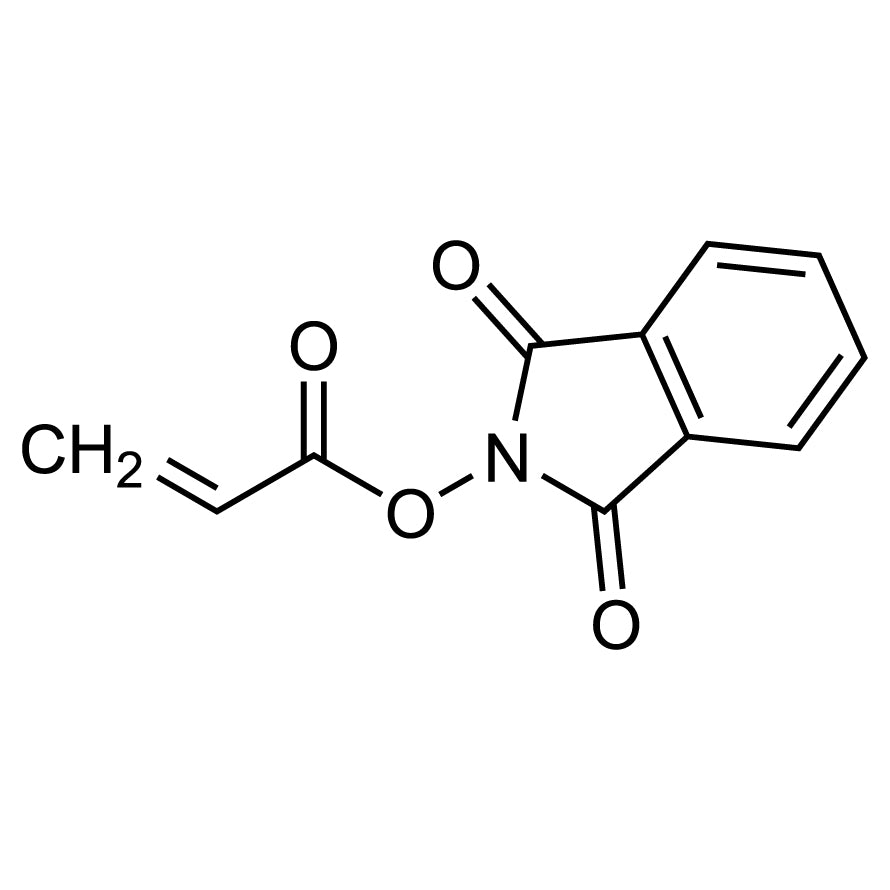
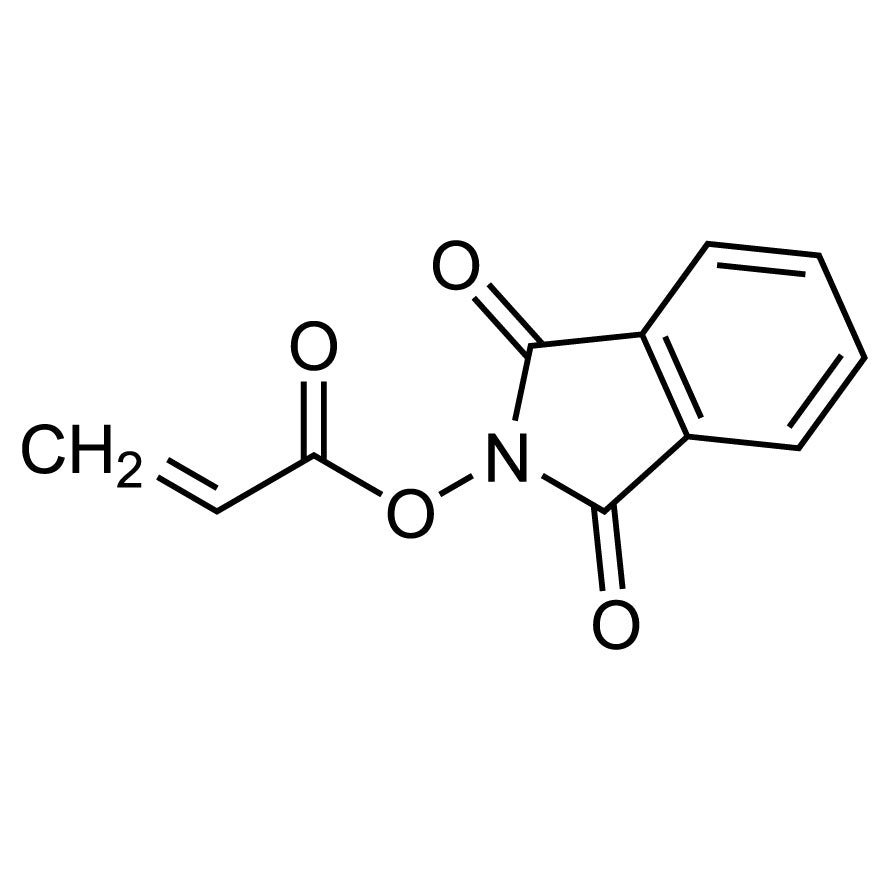
TCI P3351 1,3-Dioxoisoindolin-2-yl Acrylate, also called N-(acryloyloxy)phthalimide, is an acrylate monomer with an N-hydroxyphthalimide ester group. It is the acrylate counterpart of the related methacrylate monomer. Materials science laboratories use it to build polymers that carry activated, redox-active ester groups on their side chains. These polymers give researchers a flexible platform for further chemical modification after polymerization, so the same polymer backbone can lead to many functional materials.
The acrylate monomer has no methyl group on the alpha carbon, which is the main difference from the methacrylate version. This difference generally affects how readily the monomer polymerizes, how flexible the polymer chains are, and the thermal behaviour of the final polymer. Researchers can choose between the two monomers to suit their design goals. The phthalimide ester side group reacts readily with amines to form amides. It can also act as a radical source through decarboxylative pathways. These two kinds of reactivity make the monomer useful in functional materials and conjugation research.
For polymer researchers in Indonesia, this monomer helps in developing functional coatings, modified surfaces, bioconjugate materials, and polymer libraries made by post-polymerization modification. University polymer chemistry groups, materials science research centres, and industrial R&D laboratories can use it to make one reactive parent polymer and then turn it into a series of related materials. This approach supports systematic structure–property studies and makes better use of limited synthesis time and reagents.
Advantages (TCI brochure)
- Yields polymers capable of converting the main chain structure to ethylene or propylene via polymer reactions, or post-polymerization modifications
TCI brochures (PDF)
Related TCI products
- TCI P3350 72299-96-8 1,3-Dioxoisoindolin-2-yl Methacrylate
- TCI Z0069 14643-87-9 Zinc Acrylate
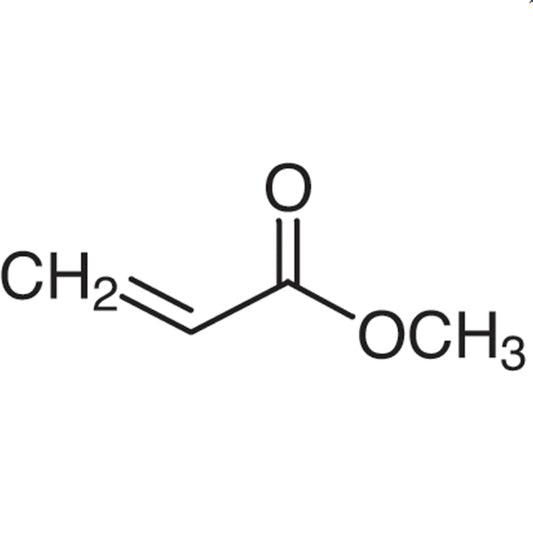
- TCI A0145 96-33-3 Methyl Acrylate (stabilized with MEHQ)
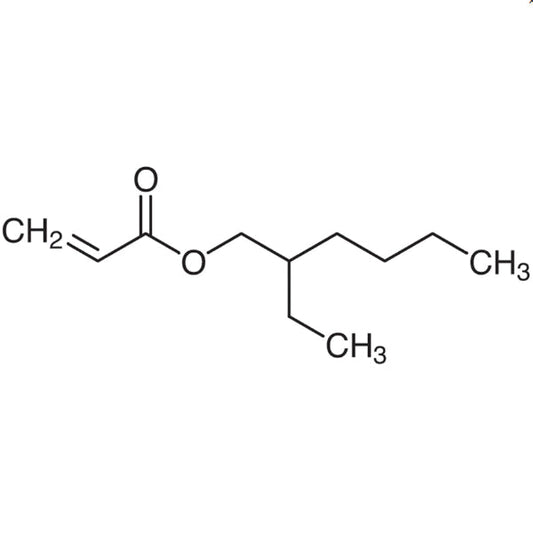
- TCI A0144 103-11-7 2-Ethylhexyl Acrylate Monomer (stabilized with MEHQ)
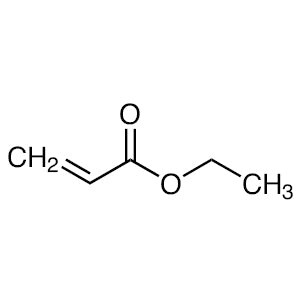
- TCI A0143 140-88-5 Ethyl Acrylate (stabilized with MEHQ)
- TCI A0142 141-32-2 Butyl Acrylate (stabilized with MEHQ)
- Synthesis of activated ester polymers: polymerizing this acrylate monomer puts N-hydroxyphthalimide ester groups on the side chains, giving a reactive polymer that can be modified further after polymerization.
- Post-polymerization modification with amines: the phthalimide ester side groups react readily with amines to form amides, so one parent polymer can be converted into many functional derivatives.
- Building polymer libraries: one reactive backbone can be treated with different amines to produce a series of related polymers, which makes systematic structure–property studies in materials research easier.
- Functional coatings and modified surfaces: the reactive side-chain esters let researchers attach chosen functional groups to coatings and surfaces after the polymer has been made or applied.
- Radical chemistry and bioconjugate materials: the redox-active ester can act as a radical source through decarboxylative pathways, and its amine reactivity supports conjugation work for bioconjugate material development.
From the TCI brochure
- Copolymerization with acrylate monomers followed by post-polymerization modification
- Acid (H+) treatment of the polymer (Ref. 1, 2)
- Modification with a nitroxide-type reagent (Ref. 3)
| Brand | TCI (product code P3351) |
|---|---|
| CAS number | 55484-53-2 |
| Molecular formula | — |
| Purity | — |
| Category | Materials Science > Polymer/Macromolecule Reagents > Monomers |
| Pack sizes | available in TCI's standard pack sizes; please confirm current options with AMI Scientific |
| Physical form | see the TCI product documentation and Certificate of Analysis for each lot |
| Storage | follow the storage conditions on the TCI label and Safety Data Sheet |
Data from the TCI brochure
| Kemasan | 1g / 5g |
|---|
Source: TCI brochure FF227 (2026-02-05)
Store this monomer exactly as stated on the TCI label and Safety Data Sheet. Keep it in its original tightly closed container, protected from heat, light, moisture, and sources of ignition, because acrylate monomers can polymerize unintentionally. Keep it away from strong oxidizers, amines, and other reactive reagents, since the activated ester side group reacts with amines. Handle it in a well-ventilated area or fume hood while wearing gloves, safety glasses, and a laboratory coat. Avoid contact with skin, eyes, and inhaling dust or vapour. Reseal the container right after use, label any working portions clearly, and dispose of waste according to local regulations and your institution's chemical safety procedures.
—
Product Categories
Produk Terkait
-
1,3-Dioxoisoindolin-2-ylMethacrylate TCI P3350
Regular price From Rp 1.378.650,00Regular price -
ZincAcrylate TCI Z0069
Regular price From Rp 769.650,00Regular price -
MethylAcrylate(stabilizedwithMEHQ) TCI A0145
Regular price From Rp 477.750,00Regular price -
2-EthylhexylAcrylateMonomer(stabilizedwithMEHQ) TCI A0144
Regular price From Rp 505.050,00Regular price -
EthylAcrylate(stabilizedwithMEHQ) TCI A0143
Regular price From Rp 477.750,00Regular price -
ButylAcrylate(stabilizedwithMEHQ) TCI A0142
Regular price From Rp 505.050,00Regular price -
3-SulfopropylAcrylatePotassiumSalt TCI U0117
Regular price Rp 1.565.550,00Regular price -
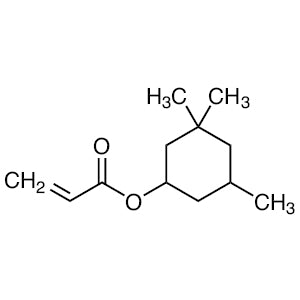
3,3,5-TrimethylcyclohexylAcrylate(cis-andtrans-mixture)(stabilizedwithMEHQ) TCI T3984
Regular price From Rp 1.510.950,00Regular price