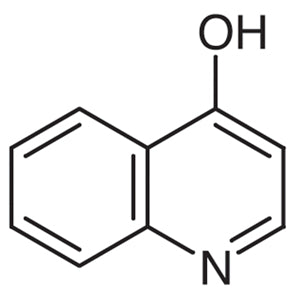
TCI Q0029 4-Quinolinol (CAS 611-36-9) is a quinoline derivative with a hydroxyl group at the 4-position. In solution and in the solid state, it exists in tautomeric equilibrium with its 4-quinolone form, and the keto form is usually the dominant species. The 4-quinolone framework matters a great deal in medicinal chemistry because it forms the core of the quinolone class of antibiotics. In the laboratory, 4-quinolinol serves as a building block for quinolone derivatives and as a model compound for studying heterocyclic tautomerism.
Researchers value this compound because it has several reactive sites they can use. Both the nitrogen and the oxygen atoms can be alkylated, and choosing the right reaction conditions directs the reaction toward one site or the other. The hydroxyl or carbonyl group can also be converted into a leaving group, such as a halide, which opens the 4-position to nucleophilic substitution. This route is widely used to prepare 4-aminoquinolines and related derivatives. Its tautomeric behaviour also makes it a good subject for spectroscopic and computational studies.
In Indonesia, 4-quinolinol is relevant to medicinal and pharmaceutical chemistry researchers who develop antibacterial or antimalarial candidates based on the quinoline and quinolone scaffolds. University organic chemistry groups can use it in synthesis projects that explore selective N- versus O-alkylation. Physical and computational chemistry laboratories can use it as a model system for teaching and researching tautomeric equilibria in heterocycles. AMI Scientific supplies the genuine TCI product to support these research needs.
- Quinolone derivative synthesis: the 4-quinolone core of this compound is the central framework of the quinolone antibiotic class, so it is a natural starting point for building new analogues.
- Selective N- and O-alkylation studies: both the nitrogen and oxygen atoms can be alkylated, and changing the reaction conditions lets researchers steer the reaction toward the site they want.
- Preparation of 4-aminoquinolines: converting the hydroxyl or carbonyl group into a leaving group such as a halide opens the 4-position to nucleophilic substitution with amines.
- Tautomerism research: its equilibrium between the 4-quinolinol and 4-quinolone forms, with the keto form usually dominant, makes it a clear model for studying heterocyclic tautomerism.
- Spectroscopic and computational studies: its well-defined tautomeric behaviour gives spectroscopists and computational chemists a good reference system for comparing experimental data with theoretical predictions.
| Brand | TCI (product code Q0029) |
|---|---|
| CAS number | 611-36-9 |
| Molecular formula | — |
| Purity | — |
| Category | Chemistry > Building Blocks > Heterocyclic Building Blocks |
| Pack sizes | as offered in the TCI catalogue; please check the product page for available options |
| Physical form | see the TCI product specification sheet |
| Storage | follow the conditions on the label and in the Safety Data Sheet (SDS) |
Store 4-Quinolinol in its original, tightly closed container in a cool, dry, well-ventilated place, away from direct sunlight, moisture, and incompatible substances such as strong oxidising agents. Always follow the storage instructions on the TCI label and in the Safety Data Sheet. Handle the compound in a fume hood or another well-ventilated area, and wear appropriate personal protective equipment, including a laboratory coat, safety glasses, and chemical-resistant gloves. Avoid creating or breathing in dust, and prevent contact with skin and eyes. Clean up spills promptly, and dispose of waste according to local regulations and your institution's chemical waste procedures.
—
Produk Terkait
-
3-Quinolinol TCI Q0094
Regular price From Rp 1.167.600,00Regular price -
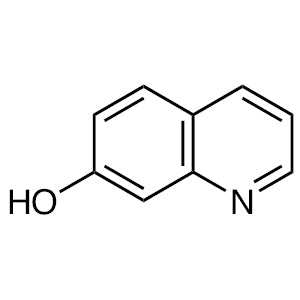
7-Quinolinol TCI Q0084
Regular price Rp 3.021.900,00Regular price -
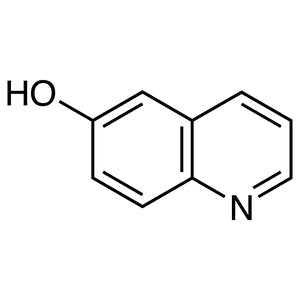
6-Quinolinol TCI Q0060
Regular price From Rp 1.670.550,00Regular price -
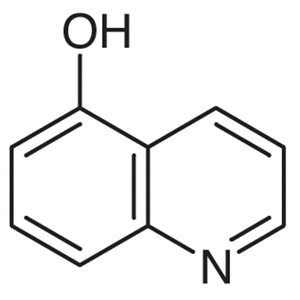
5-Quinolinol TCI Q0059
Regular price From Rp 1.273.650,00Regular price -
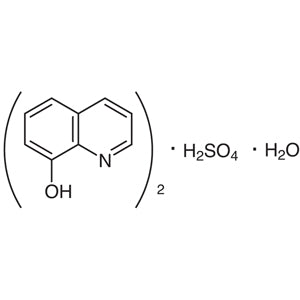
8-QuinolinolSulfateMonohydrate TCI Q0017
Regular price From Rp 1.060.500,00Regular price -
3-Nitro-4-quinolinol TCI N0992
Regular price From Rp 689.850,00Regular price -
2-Methyl-4-quinolinol TCI M2620
Regular price From Rp 3.075.450,00Regular price -
7-Methoxy-4-quinolinol TCI M1966
Regular price From Rp 1.246.350,00Regular price