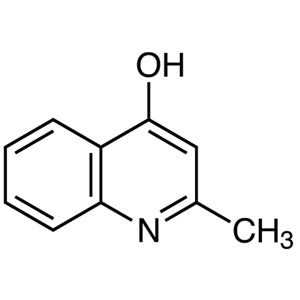
2-Methyl-4-quinolinol is a chemical compound widely used in laboratory settings for the synthesis of heterocyclic compounds. As a key building block in organic chemistry, it plays a crucial role in the development of complex molecular structures involving aromatic rings and heteroatoms. This compound is frequently utilized in research focused on creating new substances with pharmaceutical or industrial applications. Its versatility makes it an essential component in various chemical reactions, supporting the creation of a wide range of functional molecules.
The chemical properties of 2-Methyl-4-quinolinol, including its stability and moderate reactivity, make it a preferred choice for synthetic chemists. It exhibits good solubility in common organic solvents, which facilitates its use in diverse reaction conditions. Its structural characteristics allow for effective substitution reactions, enabling the synthesis of more complex derivatives. These features contribute to its reliability and effectiveness in both academic and industrial research environments.
In Indonesian laboratories, 2-Methyl-4-quinolinol is commonly used in organic chemistry research, particularly in the development of pharmaceutical compounds and industrial chemicals. It is a valuable tool in the synthesis of heterocyclic structures, supporting advanced research in drug discovery and chemical innovation. Its application extends to the production of chemical intermediates and the exploration of new synthetic pathways in the field of organic chemistry.
- Synthesis of heterocyclic compounds due to its stable structure and reactivity, supporting the creation of complex molecular frameworks.
- Pharmaceutical research for the development of new drugs, as it contributes to the formation of bioactive molecules with therapeutic potential.
- Industrial chemical production for the manufacture of specialty chemicals, leveraging its utility in organic synthesis pathways.
- Drug discovery initiatives where it serves as a building block for the synthesis of compounds with pharmaceutical applications.
- Chemical intermediate manufacturing, where it is used as a precursor in the production of various functional derivatives.
| Brand | TCI |
|---|---|
| CAS number | 607-67-0 |
| Molecular formula | — |
| Purity | — |
| Category | Chemistry > Building Blocks > Heterocyclic Building Blocks |
| Pack sizes | Available in various quantities as per standard laboratory supply options |
| Physical form | Solid or liquid, depending on the specific product variant |
| Storage | Store in a cool, dry place away from direct sunlight and incompatible materials |
2-Methyl-4-quinolinol should be stored in a cool, dry environment to maintain its chemical stability. It is recommended to use airtight containers to prevent exposure to moisture and air, which could affect its reactivity. Proper labeling of storage containers is essential to ensure safe handling and prevent accidental contamination. While it is generally stable under normal laboratory conditions, it should be kept away from strong oxidizing agents and incompatible substances. Regular inspection of storage conditions is advised to ensure the compound remains in optimal condition for use in chemical synthesis and research applications.
—
Produk Terkait
-
3-Quinolinol TCI Q0094
Regular price From Rp 1.167.600,00Regular price -
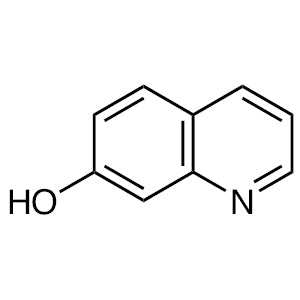
7-Quinolinol TCI Q0084
Regular price Rp 3.021.900,00Regular price -
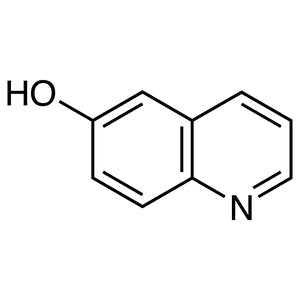
6-Quinolinol TCI Q0060
Regular price From Rp 1.670.550,00Regular price -
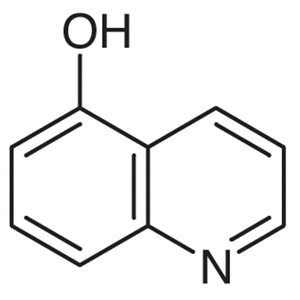
5-Quinolinol TCI Q0059
Regular price From Rp 1.273.650,00Regular price -
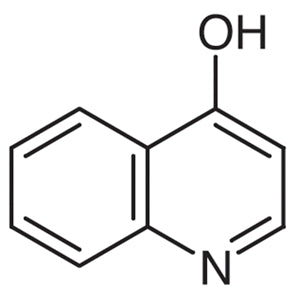
4-Quinolinol TCI Q0029
Regular price From Rp 1.776.600,00Regular price -
8-QuinolinolSulfateMonohydrate TCI Q0017
Regular price From Rp 1.060.500,00Regular price -
3-Nitro-4-quinolinol TCI N0992
Regular price From Rp 689.850,00Regular price -
7-Methoxy-4-quinolinol TCI M1966
Regular price From Rp 1.246.350,00Regular price