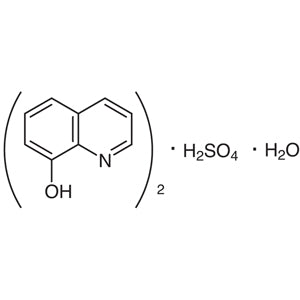
3-Quinolinol is a chemical compound with a heterocyclic structure, widely used in various chemical applications. It serves as a fundamental building block in the synthesis of complex compounds, particularly in the development of aromatic and heterocyclic molecules. In the laboratory, 3-Quinolinol plays a crucial role as a versatile reagent that enables the formation of intricate molecular structures. Its stability and controlled reactivity make it a reliable choice for researchers across different fields of chemistry.
The compound is valued for its chemical properties, including the ability to form bonds with various functional groups. Its solubility in organic solvents facilitates processing and synthesis, making it highly suitable for a range of chemical reactions. Additionally, its reactivity allows it to participate in substitution, oxidation, and reduction reactions. These characteristics make it a preferred material for chemists seeking to develop new compounds with specific functional properties.
In Indonesian laboratories, 3-Quinolinol is commonly used in organic chemistry research, especially in the synthesis of pharmaceutical compounds. Its availability in various packaging forms ensures ease of use and accessibility for researchers. The compound’s reliability and adaptability make it an essential component in the toolkit of many Indonesian scientists working in the field of chemical synthesis and drug development.
- Organic synthesis applications benefit from 3-Quinolinol due to its ability to participate in a wide range of chemical reactions, making it ideal for the development of complex molecular structures.
- Pharmaceutical research utilizes 3-Quinolinol as a building block for the synthesis of drug compounds, leveraging its reactivity and solubility in organic solvents.
- Heterocyclic compound synthesis relies on 3-Quinolinol as a stable and reactive intermediate, enabling the formation of diverse aromatic and heterocyclic molecules.
- Analytical chemistry applications use 3-Quinolinol as a standard reference material for spectroscopic and chromatographic analyses due to its well-defined chemical properties.
- Environmental studies incorporate 3-Quinolinol in the analysis of organic pollutants, taking advantage of its detectability and chemical stability under various experimental conditions.
| Brand | TCI |
|---|---|
| CAS number | 580-18-7 |
| Molecular formula | — |
| Purity | — |
| Category | Chemistry > Building Blocks > Heterocyclic Building Blocks |
| Pack sizes | Available in various sizes as per supplier specifications |
| Physical form | Solid, crystalline powder |
| Storage | Store in a cool, dry place away from direct sunlight |
3-Quinolinol should be stored in a cool, dry place, away from direct sunlight and sources of heat. It is recommended to use airtight containers made of glass or polyethylene to prevent moisture absorption and contamination. Due to its chemical reactivity, it should be handled with appropriate personal protective equipment, such as gloves and safety goggles. It is important to ensure proper ventilation in the laboratory when working with this compound. Avoid contact with incompatible materials, such as strong oxidizing agents, to prevent unwanted reactions. Regular inspection of storage conditions ensures the compound remains stable and suitable for use in chemical experiments.
—
Produk Terkait
-
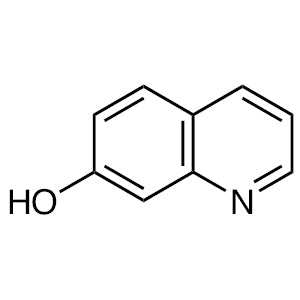
7-Quinolinol TCI Q0084
Regular price Rp 3.021.900,00Regular price -
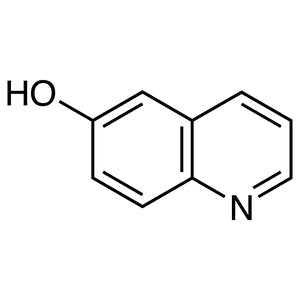
6-Quinolinol TCI Q0060
Regular price From Rp 1.670.550,00Regular price -
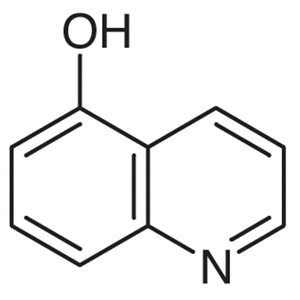
5-Quinolinol TCI Q0059
Regular price From Rp 1.273.650,00Regular price -
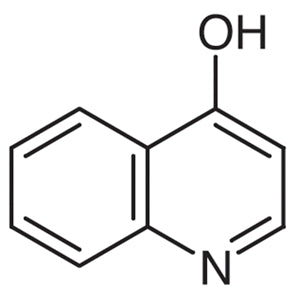
4-Quinolinol TCI Q0029
Regular price From Rp 1.776.600,00Regular price -
8-QuinolinolSulfateMonohydrate TCI Q0017
Regular price From Rp 1.060.500,00Regular price -
3-Nitro-4-quinolinol TCI N0992
Regular price From Rp 689.850,00Regular price -
2-Methyl-4-quinolinol TCI M2620
Regular price From Rp 3.075.450,00Regular price -
7-Methoxy-4-quinolinol TCI M1966
Regular price From Rp 1.246.350,00Regular price