8-Quinolinol Sulfate Monohydrate (TCI Q0017, CAS 134-31-6) is the sulfate salt of 8-hydroxyquinoline, also called oxine, in its monohydrate form. 8-Hydroxyquinoline is a classic chelating agent. It forms stable complexes with many metal ions, binding through its phenolic oxygen atom and the nitrogen atom of its ring. In the laboratory, the compound is used in analytical chemistry, microbiology, and coordination chemistry research, where controlled binding of metal ions is central to the work.
Its ability to chelate metals is the main reason researchers choose this compound. Oxine forms complexes with a wide range of metal ions, including aluminium, copper, zinc, and iron. Many of these complexes are poorly soluble or coloured, so they are well suited to precipitation, extraction, and detection. The sulfate salt dissolves in water more readily than the free base, which makes it practical in aqueous solutions. Oxine sulfate is also known for antiseptic and antifungal properties, which are linked to its ability to bind metals that microorganisms need. Because the monohydrate form is well defined, researchers can calculate quantities accurately when they prepare solutions.
In Indonesia, this compound is useful to analytical chemistry laboratories at universities, environmental testing laboratories, and research groups that study metal complexes. Analysts use it to work out procedures for separating and detecting metal ions in aqueous samples. Microbiology laboratories may use it to study how metal chelation affects microbial growth. Teaching laboratories also use it to show students the basic principles of chelation, complex formation, and gravimetric or extraction-based analysis.
TCI brochures (PDF)
- Ligands 2025-12-01 · p. 17
- Metal ion precipitation: oxine forms poorly soluble complexes with ions such as aluminium, copper, zinc, and iron, so it is useful for separating metals from solution and for gravimetric work.
- Solvent extraction of metals: the stable chelates that form through the phenolic oxygen and the ring nitrogen let analysts move metal ions into an organic phase so they can be separated or concentrated.
- Detection of metal ions: many oxine–metal complexes are coloured, so the reagent helps with qualitative or instrumental detection of metal ions in analytical chemistry laboratories.
- Microbiology research: the antiseptic and antifungal properties of oxine sulfate, which come from its binding of essential metals, make it relevant to studies of how microorganisms depend on metals.
- Coordination chemistry research: as a classic bidentate chelating ligand, 8-hydroxyquinoline is a well-established model compound for preparing and studying metal complexes in academic research groups.
| Brand | TCI (product code Q0017) |
|---|---|
| CAS number | 134-31-6 |
| Molecular formula | — |
| Purity | — |
| Category | Chemistry > Building Blocks > Heterocyclic Building Blocks |
| Pack sizes | several pack sizes are available; please confirm the options when you enquire |
| Physical form | — |
| Storage | keep tightly closed and follow the storage conditions on the TCI label and Safety Data Sheet |
- Chemical identity: sulfate salt of 8-hydroxyquinoline (oxine), monohydrate form
Store 8-Quinolinol Sulfate Monohydrate in its original, tightly closed container in a cool, dry, well-ventilated place, away from direct sunlight, moisture, and incompatible substances such as strong oxidising agents. Because the product is a defined monohydrate, keeping the container sealed helps protect its stated composition and supports accurate weighing. If you transfer the material, use clean, dry, and clearly labelled glass or chemically compatible containers. Handle the compound according to good laboratory practice. Wear gloves, safety glasses, and a lab coat, avoid creating or breathing in dust, and avoid contact with skin and eyes. Weigh it in a well-ventilated area or a fume hood. Before use, read the Safety Data Sheet supplied by TCI for full hazard, first-aid, and disposal information, and dispose of waste in line with local regulations.
—
Produk Terkait
-
2-Methyl-8-quinolinol TCI M0420
Regular price From Rp 742.350,00Regular priceRp 534.450,00Sale price From Rp 742.350,00 -
8-Quinolinol TCI H0305
Regular price From Rp 928.200,00Regular priceRp 664.650,00Sale price From Rp 928.200,00 -
3-Quinolinol TCI Q0094
Regular price From Rp 1.220.100,00Regular priceRp 868.350,00Sale price From Rp 1.220.100,00 -
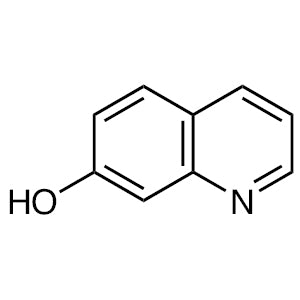
7-Quinolinol TCI Q0084
Regular price Rp 3.074.400,00Regular priceRp 2.165.100,00Sale price Rp 3.074.400,00 -
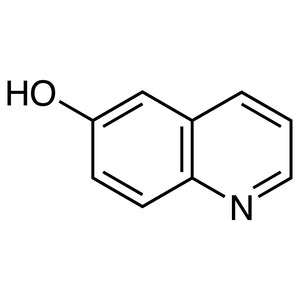
6-Quinolinol TCI Q0060
Regular price From Rp 1.723.050,00Regular priceRp 1.220.100,00Sale price From Rp 1.723.050,00 -
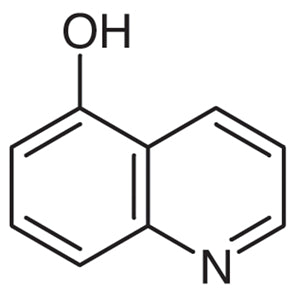
5-Quinolinol TCI Q0059
Regular price From Rp 1.326.150,00Regular priceRp 942.900,00Sale price From Rp 1.326.150,00 -
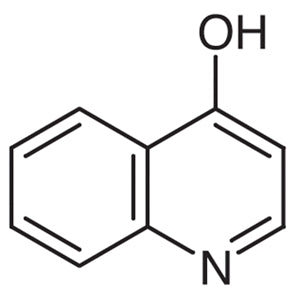
4-Quinolinol TCI Q0029
Regular price From Rp 1.829.100,00Regular priceRp 1.294.650,00Sale price From Rp 1.829.100,00 -
3-Nitro-4-quinolinol TCI N0992
Regular price From Rp 742.350,00Regular priceRp 534.450,00Sale price From Rp 742.350,00