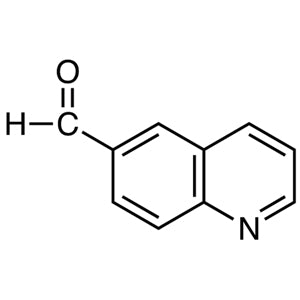
6-Quinolinecarboxaldehyde is a chemical compound widely used as a building block in the synthesis of heterocyclic compounds. It plays a crucial role in organic chemistry laboratories, where it serves as a versatile intermediate in the creation of complex aromatic structures. Its unique molecular structure enables it to participate in various chemical reactions, making it a valuable tool for researchers. This compound is commonly employed in the development of pharmaceuticals and other specialized chemical products due to its reactivity and functional group versatility.
One of the key properties that make 6-Quinolinecarboxaldehyde a preferred choice is its chemical stability under controlled conditions. Despite its reactivity, it maintains its integrity during synthesis processes, allowing for consistent results. Additionally, its ability to interact with a wide range of reagents makes it suitable for multiple synthetic pathways. The compound is typically available in solid form, either white or yellow, depending on its purity level. These characteristics contribute to its widespread use in both academic and industrial research settings.
In Indonesian laboratories, 6-Quinolinecarboxaldehyde is extensively utilized in organic chemistry research, particularly in the fields of pharmacology and drug synthesis. Its availability and cost-effective nature make it a go-to material for scientists working on complex molecular structures. The compound's role in creating functional derivatives further enhances its importance in the development of new chemical entities. Its presence in laboratory workflows underscores its significance in advancing chemical research in Indonesia.
- Organic synthesis of heterocyclic compounds due to its reactive aldehyde group and aromatic ring structure.
- Pharmaceutical research for the development of new drug molecules through structural modifications.
- Chemical reaction intermediates in condensation and substitution reactions for compound diversification.
- Analytical chemistry applications for the preparation of reference standards and calibration samples.
- Industrial chemical production for the creation of specialty chemicals and functional materials.
| Brand | TCI |
|---|---|
| CAS number | 4113-04-6 |
| Molecular formula | — |
| Purity | — |
| Category | Chemistry > Building Blocks > Heterocyclic Building Blocks |
| Pack sizes | Available in various quantities as per supplier specifications |
| Physical form | Solid, typically white or yellow |
| Storage | Should be stored in a dry, cool, and well-ventilated area away from moisture and air exposure |
6-Quinolinecarboxaldehyde should be stored in a dry, cool, and well-ventilated area to prevent moisture absorption and degradation. It is recommended to use airtight containers to minimize exposure to air and humidity. Due to its reactivity, it should be handled in a fume hood to ensure proper ventilation and safety. Avoid direct contact with skin and eyes, and use appropriate personal protective equipment when handling. The compound is sensitive to moisture and should be kept away from sources of heat or light. Proper storage conditions help maintain its chemical integrity and ensure safe usage in laboratory settings.
—
Produk Terkait
-
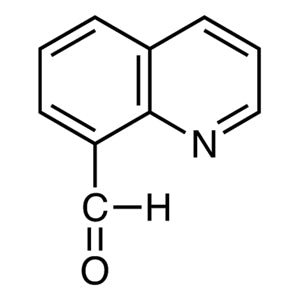
8-Quinolinecarboxaldehyde TCI Q0096
Regular price Rp 1.723.050,00Regular priceRp 1.220.100,00Sale price Rp 1.723.050,00 -
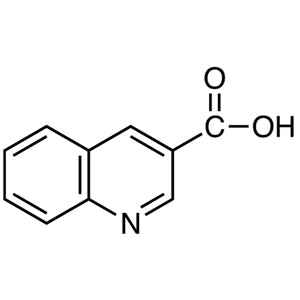
3-QuinolinecarboxylicAcid TCI Q0090
Regular price Rp 980.700,00Regular priceRp 701.400,00Sale price Rp 980.700,00 -
5-QuinolinecarboxylicAcid TCI Q0089
Regular price Rp 3.815.700,00Regular priceRp 2.683.800,00Sale price Rp 3.815.700,00 -
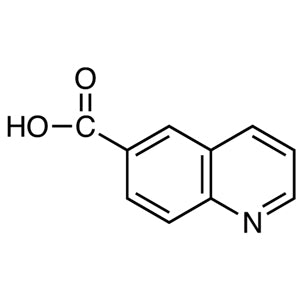
6-QuinolinecarboxylicAcid TCI Q0077
Regular price Rp 2.623.950,00Regular priceRp 1.850.100,00Sale price Rp 2.623.950,00 -
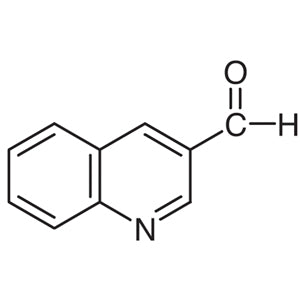
3-Quinolinecarboxaldehyde TCI Q0075
Regular price Rp 2.677.500,00Regular priceRp 1.887.900,00Sale price Rp 2.677.500,00 -
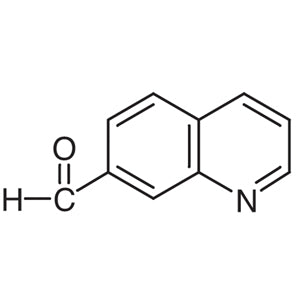
7-Quinolinecarboxaldehyde TCI Q0067
Regular price Rp 7.075.950,00Regular priceRp 4.963.350,00Sale price Rp 7.075.950,00 -
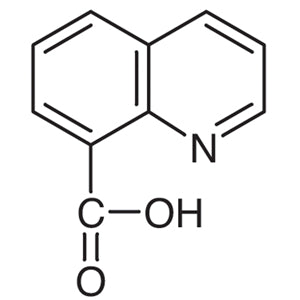
8-QuinolinecarboxylicAcid TCI Q0066
Regular price Rp 2.835.000,00Regular priceRp 1.998.150,00Sale price Rp 2.835.000,00 -
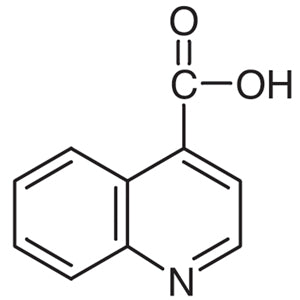
4-QuinolinecarboxylicAcid TCI Q0065
Regular price Rp 1.881.600,00Regular priceRp 1.331.400,00Sale price Rp 1.881.600,00