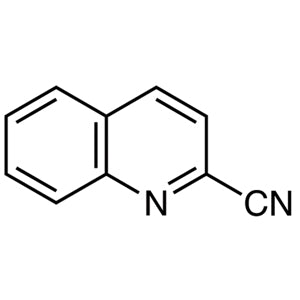
2-Quinolinecarbonitrile is a chemical compound classified under heterocyclic building blocks, featuring a quinoline ring fused with a nitrile group. This compound plays a crucial role in laboratory settings as a foundational element for constructing more complex molecular structures. It is widely utilized in synthetic chemistry to develop compounds with biological activity, including pharmaceuticals and industrial chemicals. Its versatility makes it an essential tool for researchers aiming to explore new chemical pathways and functional group modifications.
The compound's chemical properties make it a preferred choice for various synthetic reactions. Its reactivity allows it to participate effectively in substitution and catalytic reactions, enabling the formation of diverse derivatives. While it exhibits stability under controlled conditions, it remains highly reactive to environmental factors such as heat, light, and other reagents. This reactivity is advantageous in reactions requiring precise control over reaction conditions. Additionally, its solubility in organic solvents facilitates efficient handling and application in laboratory processes.
In Indonesian laboratories, 2-Quinolinecarbonitrile is extensively used in organic chemistry research, particularly in pharmacology and the synthesis of complex compounds. Its presence in research institutions supports the development of new drugs and materials. The compound is a key component in studies aimed at understanding molecular interactions and improving synthetic methodologies. Its widespread use underscores its importance in both academic and industrial research settings.
Related TCI products
- TCI A3039 103646-82-8 5-Amino-1-(p-tolyl)pyrazole-4-carbonitrile
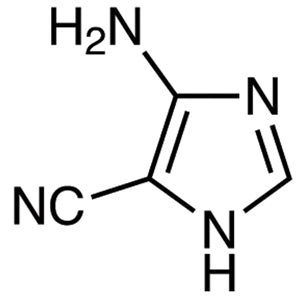
- TCI A1282 5098-11-3 4-Amino-1H-imidazole-5-carbonitrile
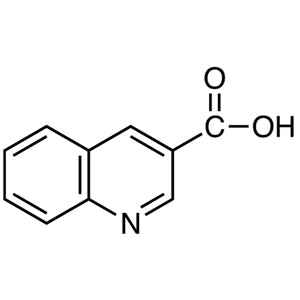
- TCI Q0090 6480-68-8 3-Quinolinecarboxylic Acid
- TCI Q0089 7250-53-5 5-Quinolinecarboxylic Acid
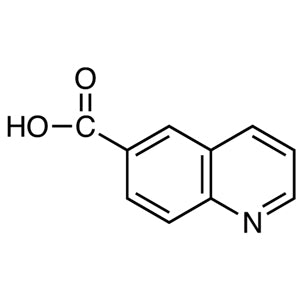
- TCI Q0077 10349-57-2 6-Quinolinecarboxylic Acid
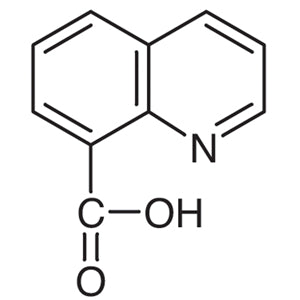
- TCI Q0066 86-59-9 8-Quinolinecarboxylic Acid
- Organic synthesis applications benefit from 2-Quinolinecarbonitrile due to its reactivity and ability to form complex derivatives.
- Pharmaceutical research utilizes this compound for the development of bioactive molecules with therapeutic potential.
- Catalytic reactions often use 2-Quinolinecarbonitrile as a versatile building block for functional group modifications.
- Industrial chemical synthesis incorporates this compound to create specialized compounds for various applications.
- Analytical chemistry employs it as a reference standard for identifying and quantifying related compounds in samples.
| Brand | TCI |
|---|---|
| CAS number | 1436-43-7 |
| Molecular formula | — |
| Purity | — |
| Category | Chemistry > Building Blocks > Heterocyclic Building Blocks |
| Pack sizes | Available in various sizes as per standard laboratory requirements |
| Physical form | Solid, typically in crystalline or powder form |
| Storage | Store in a cool, dry place away from light and moisture |
2-Quinolinecarbonitrile should be stored in a cool, dry environment, away from direct light and moisture to maintain its chemical stability. It is recommended to use airtight containers to prevent exposure to air and contaminants. Due to its reactivity, it should be handled with care, using appropriate personal protective equipment such as gloves and safety goggles. In laboratory settings, it is important to ensure proper ventilation to minimize inhalation risks. Storage should be in a secure location, away from incompatible materials like strong oxidizers or acids. Regular monitoring of storage conditions is advised to ensure the integrity of the compound remains unaffected.
—
Produk Terkait
-
5-Amino-1-(p-tolyl)pyrazole-4-carbonitrile TCI A3039
Regular price Rp 3.312.750,00Regular price -
4-Amino-1H-imidazole-5-carbonitrile TCI A1282
Regular price From Rp 6.970.950,00Regular price -
3-QuinolinecarboxylicAcid TCI Q0090
Regular price From Rp 928.200,00Regular price -
5-QuinolinecarboxylicAcid TCI Q0089
Regular price Rp 3.763.200,00Regular price -
6-QuinolinecarboxylicAcid TCI Q0077
Regular price From Rp 2.571.450,00Regular price -
8-QuinolinecarboxylicAcid TCI Q0066
Regular price Rp 2.782.500,00Regular price -
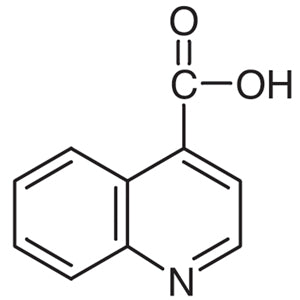
4-QuinolinecarboxylicAcid TCI Q0065
Regular price From Rp 1.829.100,00Regular price -
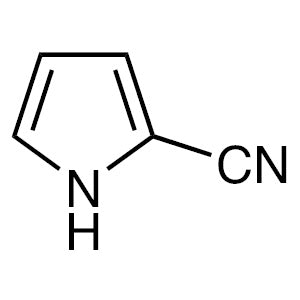
1H-Pyrrole-2-carbonitrile TCI P1926
Regular price From Rp 1.353.450,00Regular price