1H-Pyrrole-2-carbonitrile from TCI (product code P1926) is a heterocyclic compound made of a five-membered pyrrole ring with a nitrile (cyano) group at the 2-position. Pyrrole is an electron-rich aromatic ring found in many important molecules, from porphyrins and chlorophyll to a wide range of drugs and dyes. As a building block, this compound gives chemists a versatile starting point for making substituted pyrrole derivatives in organic synthesis, medicinal chemistry, and materials research.
Its main value comes from the nitrile group, which can be turned into many other functional groups. The nitrile can be reduced to an aminomethyl group, hydrolysed to an amide or carboxylic acid, or converted into tetrazoles and amidines. The N-H nitrogen of the pyrrole ring can also be alkylated or acylated, and the ring can be substituted further. Because the nitrile group withdraws electrons, it slightly lowers the normally very high reactivity of the pyrrole ring. This makes later reactions easier to control and helps chemists plan selective, step-by-step routes to more complex targets.
In Indonesian laboratories, a compound like this suits university research groups that work on heterocyclic synthesis, researchers developing new candidate bioactive molecules, and teams studying pyrrole-based functional materials. Because it comes from TCI, an established reagent brand, researchers can document the source of their material clearly in theses, publications, and internal reports. Postgraduate students and academic staff can use it to build small libraries of compounds, explore reaction methods, or prepare intermediates for multistep synthesis projects.
Related TCI products
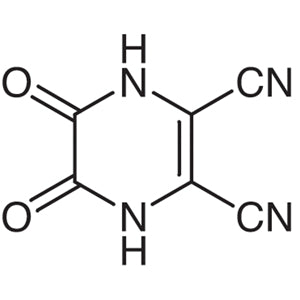
- TCI T1472 36023-64-0 1,4,5,6-Tetrahydro-5,6-dioxo-2,3-pyrazinedicarbonitrile
- TCI A3580 4651-91-6 2-Amino-4,5,6,7-tetrahydrobenzo[b]thiophene-3-carbonitrile
- TCI A3039 103646-82-8 5-Amino-1-(p-tolyl)pyrazole-4-carbonitrile
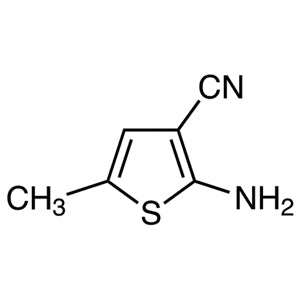
- TCI A2351 138564-58-6 2-Amino-5-methyl-3-thiophenecarbonitrile
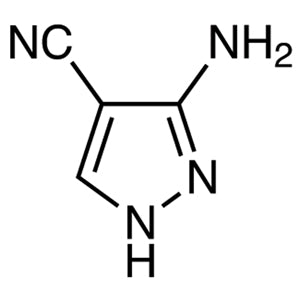
- TCI A1594 16617-46-2 3-Amino-4-pyrazolecarbonitrile
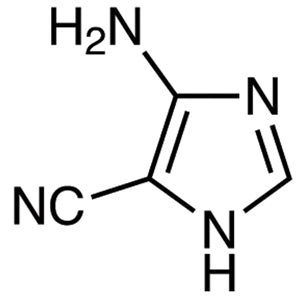
- TCI A1282 5098-11-3 4-Amino-1H-imidazole-5-carbonitrile
- Heterocyclic synthesis: the pyrrole ring with a nitrile group at the 2-position gives a clear starting point for making a range of substituted pyrrole derivatives.
- Medicinal chemistry: the nitrile can be converted into amides, carboxylic acids, tetrazoles, or amidines, which lets researchers explore structural variations around a pyrrole core.
- Aminomethylpyrrole preparation: reducing the nitrile group gives an aminomethyl group, a useful handle for further coupling, amide formation, or building more complex nitrogen-containing structures.
- N-functionalisation studies: the N-H nitrogen on the pyrrole ring can be alkylated or acylated, so researchers can attach different substituents and study how each one changes molecular properties.
- Pyrrole-based materials research: pyrrole units appear in porphyrin-type systems and dyes, so this building block helps groups investigating functional molecules and new organic materials.
| Brand | TCI (product code P1926) |
|---|---|
| CAS number | 4513-94-4 |
| Molecular formula | — |
| Purity | — |
| Category | Chemistry > Building Blocks > Heterocyclic Building Blocks |
| Pack sizes | as listed for this item on the product page |
| Physical form | refer to the TCI product label and Certificate of Analysis |
| Storage | follow the conditions stated on the TCI label and Safety Data Sheet |
Keep 1H-Pyrrole-2-carbonitrile in its original, tightly closed TCI container, labelled clearly, in a cool, dry, well-ventilated chemical storage area away from heat, direct sunlight, and incompatible substances such as strong oxidising agents, strong acids, and strong bases. Always check the label and the Safety Data Sheet for the specific storage conditions recommended for this product. Handle the compound in a fume hood where possible. Wear a lab coat, chemical-resistant gloves, and safety glasses, and avoid breathing in dust or vapour or letting the material touch your skin or eyes. Close containers straight after use to limit exposure to air and moisture. Dispose of residues and contaminated materials according to your institution's chemical waste procedures.
—
Produk Terkait
-
1,4,5,6-Tetrahydro-5,6-dioxo-2,3-pyrazinedicarbonitrile TCI T1472
Regular price Rp 2.757.300,00Regular priceRp 1.943.550,00Sale price Rp 2.757.300,00 -
2-Amino-4,5,6,7-tetrahydrobenzo[b]thiophene-3-carbonitrile TCI A3580
Regular price Rp 3.207.750,00Regular priceRp 2.258.550,00Sale price Rp 3.207.750,00 -
5-Amino-1-(p-tolyl)pyrazole-4-carbonitrile TCI A3039
Regular price Rp 3.365.250,00Regular priceRp 2.368.800,00Sale price Rp 3.365.250,00 -
2-Amino-5-methyl-3-thiophenecarbonitrile TCI A2351
Regular price Rp 980.700,00Regular priceRp 701.400,00Sale price Rp 980.700,00 -
3-Amino-4-pyrazolecarbonitrile TCI A1594
Regular price Rp 1.272.600,00Regular priceRp 905.100,00Sale price Rp 1.272.600,00 -
4-Amino-1H-imidazole-5-carbonitrile TCI A1282
Regular price Rp 7.023.450,00Regular priceRp 4.926.600,00Sale price Rp 7.023.450,00 -
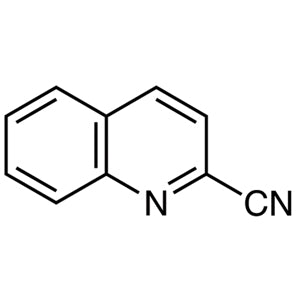
2-Quinolinecarbonitrile TCI Q0099
Regular price Rp 1.538.250,00Regular priceRp 1.090.950,00Sale price Rp 1.538.250,00 -
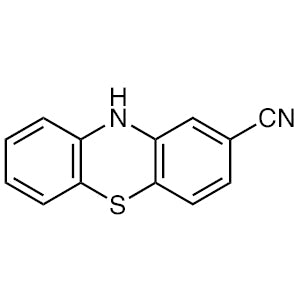
10H-Phenothiazine-2-carbonitrile TCI P2308
Regular price Rp 900.900,00Regular priceRp 645.750,00Sale price Rp 900.900,00
![4651-91-6 2-Amino-4,5,6,7-tetrahydrobenzo[b]thiophene-3-carbonitrile - AMI Scientific](http://amiscientific.com/cdn/shop/files/TCI2510A3580.jpg?v=1767084527&width=533)