TCI Q0105 17318-31-9 SQ 22536 is a chemical compound classified under nucleosides and nucleotides, playing a vital role in biochemical research. This compound is widely used in laboratory settings for DNA and RNA-related experiments, contributing to the synthesis of biological molecules. Its importance spans across pharmaceutical development, genetic analysis, and biomedical research, making it an essential tool for scientists working in life sciences. Due to its stability and controlled reactivity, it is a reliable choice for various experimental procedures.
The compound's high purity and consistent quality ensure accurate and reproducible results in laboratory experiments. Its availability in multiple packaging sizes, such as 10mg and 50mg, offers flexibility for different research scales. These features make it a preferred material for researchers seeking reliable and consistent performance in their experiments. The compound's chemical stability and predictable behavior under various conditions further enhance its usability in diverse laboratory applications.
In Indonesian laboratories, TCI Q0105 17318-31-9 SQ 22536 is commonly used in biomedical and biochemical research. It is a key component in DNA synthesis experiments and genetic analysis. Many research institutions and universities in Indonesia rely on this compound for their studies, contributing to advancements in life sciences and related fields. Its widespread use highlights its importance in both academic and applied research settings.
- DNA synthesis experiments benefit from this compound’s role in constructing genetic material, ensuring accurate molecular assembly.
- Genetic analysis requires precise reagents for sequencing and mutation detection, making this compound ideal for such studies.
- Biomedical research utilizes this material for drug development and understanding molecular mechanisms in biological systems.
- Biochemical assays depend on its stability and reactivity to produce reliable results in enzyme activity and metabolic studies.
- Molecular biology experiments use this compound as a foundational element in nucleic acid research and gene expression studies.
| Brand | TCI |
|---|---|
| CAS number | 17318-31-9 |
| Molecular formula | — |
| Purity | — |
| Category | Life Science > Biochemicals and Reagents > Nucleosides, Nucleotides, Oligonucleotides |
| Pack sizes | 10mg, 50mg |
| Physical form | — |
| Storage | Store in a cool, dry place away from light |
This compound should be stored in a cool, dry environment, away from direct sunlight and moisture. It is recommended to use airtight containers to prevent contamination and maintain its chemical integrity. Due to its controlled reactivity, it should be handled with standard laboratory precautions, such as wearing gloves and safety goggles. Proper labeling of storage containers is essential to ensure safe handling and prevent accidental exposure. The compound is generally stable under normal laboratory conditions, making it suitable for long-term storage when kept in appropriate conditions. Always follow standard safety protocols when working with chemical reagents to ensure a safe and efficient laboratory environment.
—
Produk Terkait
-
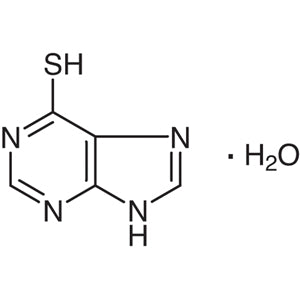
6-MercaptopurineMonohydrate TCI M0063
Regular price From Rp 530.250,00Regular priceRp 386.400,00Sale price From Rp 530.250,00 -
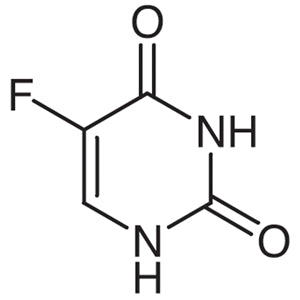
5-Fluorouracil TCI F0151
Regular price From Rp 955.500,00Regular priceRp 683.550,00Sale price From Rp 955.500,00 -
6-Azauracil TCI A0558
Regular price From Rp 610.050,00Regular priceRp 442.050,00Sale price From Rp 610.050,00 -
AdenineSulfateDihydrate TCI A0151
Regular price From Rp 3.074.400,00Regular priceRp 2.165.100,00Sale price From Rp 3.074.400,00 -
AdenineHydrochlorideHemihydrate TCI A0150
Regular price From Rp 717.150,00Regular priceRp 516.600,00Sale price From Rp 717.150,00 -
Adenine TCI A0149
Regular price From Rp 1.749.300,00Regular priceRp 1.239.000,00Sale price From Rp 1.749.300,00 -
Xanthine TCI X0004
Regular price Rp 1.856.400,00Regular priceRp 1.313.550,00Sale price Rp 1.856.400,00 -
Uracil TCI U0013
Regular price From Rp 742.350,00Regular priceRp 534.450,00Sale price From Rp 742.350,00